

Reader Briefing
Reader Briefing
Start here if you need a practical read on online dating safety for single parents: the complete guide: who should use verification, what signals to check, and what to do before moving from online interest to an in-person plan.
Who this is for
- People meeting someone from a dating app or social platform.
- Readers preparing for a first in-person date.
- Anyone checking identity, profile consistency, and trust signals.
- People trying to avoid romance scams, fake profiles, or pressure tactics.
You’ll learn
- How to evaluate identity signals without treating any single check as certainty.
- Which trust signals matter and how to weigh them together.
- How to spot inconsistencies, pressure, or behavior patterns that deserve caution.
- How to move from online conversation to a safer first meeting.
- Where GuyID tools fit into a quick pre-date screening workflow.
- How to compare options using practical safety and trust criteria.
Bottom line
Verification reduces uncertainty; it does not guarantee future behavior. Use a layered approach: confirm identity signals, compare profile consistency, ask for a short video call, keep early plans public, and slow down when someone pressures you to skip normal safety steps.
Key takeaways
- Identity verification improves confidence, not certainty.
- Patterns matter more than isolated incidents.
- Verify before meeting privately or sharing sensitive details.
- A short video call can reveal many inconsistencies.
- Pressure to skip reasonable safety steps is useful information.
Free Tools
Catfish Probability Detector
Check whether a dating profile has suspicious identity or photo signals.
Dating Bio Red Flag Detector
Review a bio for scam, pressure, or trust-warning language.
Dating Safety Checklist
Use free GuyID tools before moving from chat to a real date.
Next step
Create your GuyID trust profile
Share consent-based trust signals before a date without turning the conversation into an interrogation.
When you’re a single parent dating online, the safety calculus changes fundamentally. A bad date for a single person costs an evening. A bad date for a single parent can introduce an unverified stranger into a child’s life. The stakes aren’t just your emotional wellbeing, your financial security, or your physical safety — they include the safety and wellbeing of the people who depend on you most.
This guide provides the complete dating safety framework for single parents — from screening matches and protecting your children’s information to the identity verification threshold that must be met before anyone you’re dating enters your family’s world.
NavigateTable of Contents26 sections
⚡ Key Takeaways
Children amplify every dating safety risk exponentially
An unverified person entering your life affects you. An unverified person entering your children’s life affects the most vulnerable people in your care — who can’t evaluate threats, can’t consent to risk, and can’t undo the impact of exposure to a dangerous stranger.
Never share children’s information before identity verification
Names, ages, schools, schedules, photos of your children — none of this belongs in early dating conversations with unverified strangers. Protect your children’s identity as carefully as you protect your own.
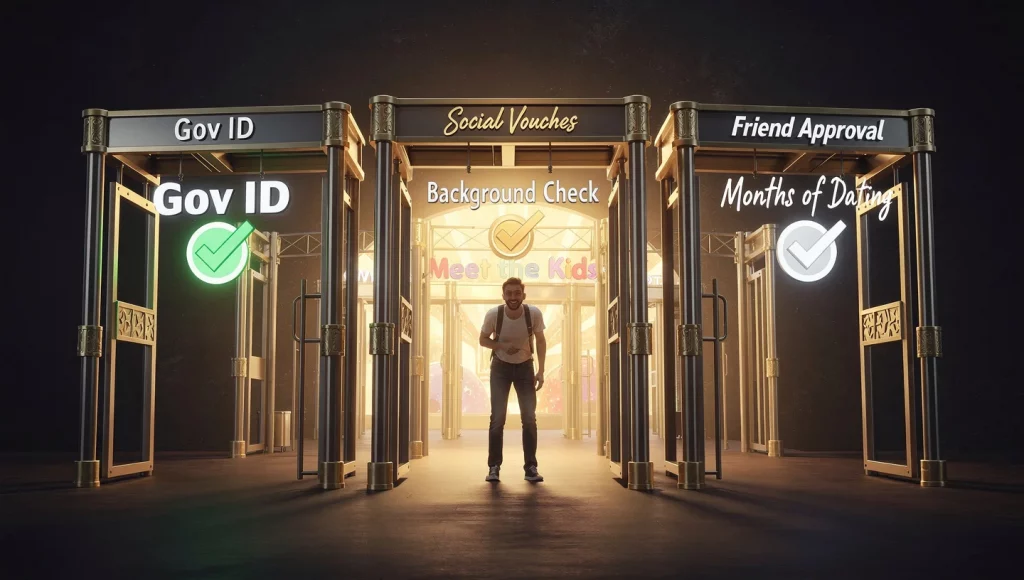
Government ID + social vouches + background check = minimum before kids meet anyone
GuyID Trust Profile at TRUSTED tier (government ID verified + social vouches) plus a background check — the combined verification that confirms identity, character, AND criminal history before children are involved.
The right person will respect your verification standards
Anyone worth dating — anyone who respects you and takes your children’s safety seriously — cooperates with identity verification without pushback. Resistance to verification is the red flag that eliminates the need for verification.
Why Single Parents Face Higher Dating Safety Stakes
Online dating safety for single parents starts with understanding why your risk profile is categorically different from someone without children.
Your Children Can’t Consent to Risk
When you swipe right on a dating app, you’re consenting to a risk — the risk that this person might not be who they claim. You’re an adult making an informed choice. Your children didn’t make that choice. They didn’t evaluate the profile. They didn’t screen the photos. They didn’t assess the conversation. But if an unverified person enters your home, your routine, or your life — your children are exposed to whatever that person actually is. The asymmetry between your informed consent and your children’s involuntary exposure is the fundamental reason single parent dating safety requires a higher standard.
Children Can’t Evaluate Threats
Adults can detect red flags — behavioral inconsistencies, manipulation tactics, boundary violations. Children can’t. A person who presents as warm and friendly to an adult may behave very differently with children when unobserved. Children assess people through the lens of trust their parent extends: “Mom/Dad trusts this person, so they must be safe.” This trust inheritance means your verification standard directly determines your children’s safety.
Single Parents Are Specifically Targeted
Scammers identify single parents as high-value targets for specific reasons. Single parents are often time-constrained (less time for thorough verification), emotionally stretched (desire for partnership amplified by solo parenting), potentially vulnerable to “I’ll take care of you both” narratives, and managing finances solo (financial pressure the scammer can exploit).
Custody Complications Add Legal Exposure
Introducing an unverified person to your children can become a custody issue if your co-parent raises concerns. A co-parent who discovers you introduced the children to someone whose identity was never verified has legitimate grounds for concern — and potentially legal leverage. Verifying identity through GuyID (government ID confirmed) and optionally a background check before any child introduction protects not just your children’s safety but your custody position.
The Threats Specific to Single Parent Dating
Beyond the standard dating threats (fake profiles, romance scams, pig butchering), single parents face additional threat categories.
The “Instant Family” Love-Bomber
Before identity verification. Before you’ve met their friends. Before you know if their claimed name is real. This urgency bypasses every safety checkpoint: from stranger to family member in a timeline that serves their agenda rather than your children’s safety. Genuine partners respect that meeting children happens on a timeline measured in months of verified trust, not weeks of promising conversation.
The Financial “Helper”
A scammer who identifies single-parent financial pressure and positions themselves as the solution: “Let me help with the kids’ school fees,” “I want to contribute to our family,” “You shouldn’t have to carry this alone.” The financial assistance creates dependency and emotional debt that the scammer leverages for later extraction — or the “help” itself is a setup for financial fraud (access to your accounts, shared financial instruments, co-signed obligations). Financial help from an unverified person is never help — it’s leverage.
The Schedule Exploiter
Someone who pays unusual attention to your custody schedule — when the kids are with you, when they’re with the co-parent, when you’re alone. This information, shared innocuously in dating conversation, provides a detailed map of when you’re most vulnerable (alone at the home address they may have learned) and when children are present (the schedule they can plan around for access). Your custody schedule is operational security — share it only after identity is verified and trust is established.
The Single Parent Dating Safety Protocol
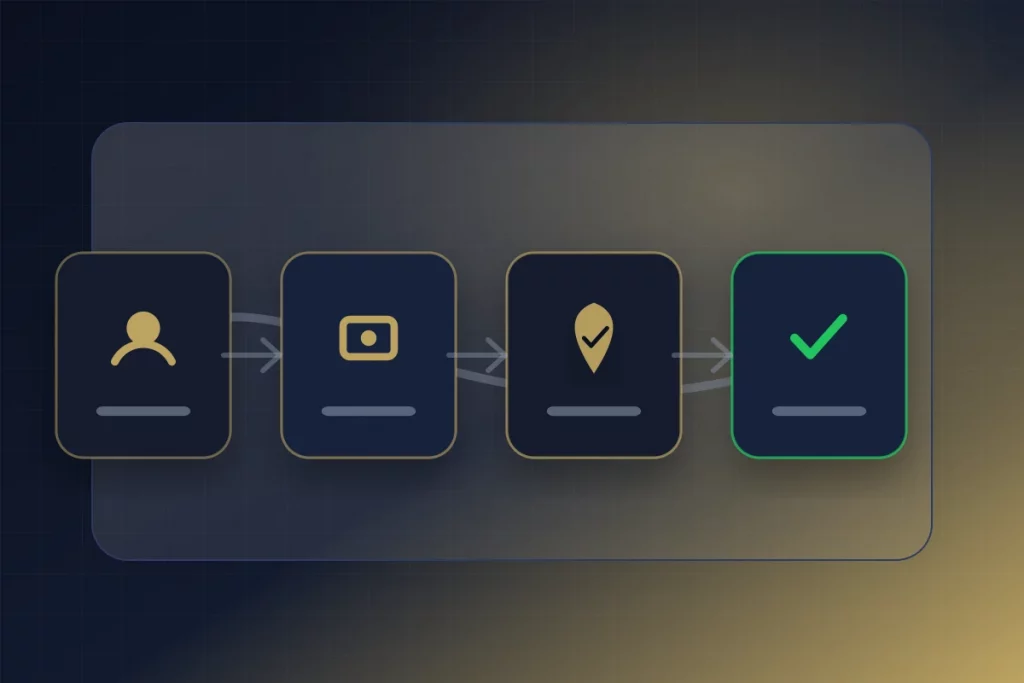
The standard proactive dating safety protocol applies to single parents — with elevated standards at every stage where children might be affected.
🟢 Every Match (60 Seconds — Same as General Protocol)
☐ GuyID reverse image search (30 sec)
☐ Catfish probability detector (10 sec)
☐ Bio red flag detector (10 sec)
☐ Visual scan for AI photo signs
Standard protocol — catches the majority of fakes before conversation begins.
🟡 Before Meeting (Elevated Standard)
☐ Video call within first week with active testing
☐ Request GuyID Trust Profile — government ID + vouches
☐ Social media cross-reference (LinkedIn, Instagram, Facebook)
☐ First date: public venue, friend informed, no home address shared
☐ NEVER bring children to a first, second, or third date
🔴 Before Children Meet Anyone (Maximum Standard)
☐ GuyID Trust Profile TRUSTED tier confirmed (gov ID + social vouches)
☐ Background check completed (criminal history, sex offender registry)
☐ Multiple in-person dates across various contexts (minimum 2-3 months)
☐ Introduction to your trusted friends/family first (social verification)
☐ They’ve met your social network and behaved consistently
☐ Your instinct, your friends’ assessment, and verified data all align
☐ NO EXCEPTIONS — the right person will meet this standard gladly
🛡️ Financial Rules (Elevated for Single Parents)
☐ NEVER accept financial “help” from an unverified partner
☐ NEVER share account access, custody financial details, or child benefit information
☐ NEVER co-sign anything before 6+ months of verified, in-person relationship
☐ NEVER let a partner handle children’s financial matters (school fees, medical) before trust is fully established
☐ “I want to help with the kids” financially = only after months of verified trust + background check
Protecting Your Children’s Information Online
Your children’s privacy is as important as your own — and more vulnerable, because they can’t protect it themselves. Here’s the information protection framework for single parent dating safety.
Never Share Before Verification
| Information | When It’s Okay to Share | Risk If Shared Too Early |
|---|---|---|
| That you have children (general) | On your dating profile — honesty about your situation | Low risk — general disclosure is appropriate |
| Children’s names | After multiple in-person dates + identity verified | Names enable social media searches, school identification |
| Children’s ages | After video call + Trust Profile checked | Combined with other details, narrows identification |
| Children’s schools | After background check + months of trust | School location = child location = physical access risk |
| Custody schedule | After identity verified + in-person relationship established | Reveals when children are present and when you’re alone |
| Photos of children | After background check + social introduction + months of trust | Photos can be misused, shared, or used to build familiarity |
| Home address | After multiple in-person dates + full verification | Home = where your children live = highest-stakes location information |
The Golden Rule
Ask yourself: “Would I give this information to a stranger on the street?” If no — don’t give it to an unverified dating match. The person behind the screen is a stranger until their identity is confirmed through government documents and real humans vouch for their character. The emotional intimacy of conversation doesn’t change the factual reality that you haven’t verified who they are.
Dating Profile Photos
Do not include photos of your children on your dating profile. Your children didn’t consent to being displayed on a dating platform viewed by millions of strangers. A photo of you with your children also provides identifying information about them — faces, approximate ages, and settings that may reveal locations. Mention that you have children in text. Keep their images private until trust is verified.

The Identity Verification Threshold Before Meeting Your Children

This is the most important section of online dating safety for single parents — the non-negotiable verification threshold that must be met before anyone you’re dating enters your children’s lives.
The Five-Point Threshold
- Government ID verified through GuyID: Their legal identity is confirmed through biometric matching against an official document. You know their real name. A government has confirmed their existence. No fake identity or AI-generated persona survives this check.
- Social vouches received: Real people — their friends, colleagues, community connections — have publicly confirmed their identity and vouched for their character. You’re not relying solely on documents or your own assessment. Real humans in their life trust them enough to say so publicly.
- Background check completed: Criminal history screened through a reputable service. Sex offender registry checked. Court records reviewed. This catches what identity verification and character vouching can’t: criminal history that may be unknown even to friends.
- Multiple in-person dates over 2-3+ months: You’ve spent real time together in different contexts — dinners, activities, casual hangouts. You’ve observed their behavior under various conditions: relaxed, stressed, tired, in public, in private conversation. Time reveals what first impressions conceal.
- Introduction to your trusted network: Your close friends or family have met this person and given their honest assessment. Your personal network provides the social verification equivalent — people who know YOU evaluating whether this person is right for your life.
Why All Five Points Are Necessary
Each point catches what the others miss. Government ID confirms identity but not character. Vouches assess character but don’t screen criminal records. Background checks screen criminal history but miss non-criminal red flags. In-person time reveals behavioral patterns but can be performed by skilled manipulators. Friend assessment adds external perspective but depends on the observer’s judgment. Together: confirmed identity + assessed character + screened history + observed behavior + external validation. The combination leaves no meaningful gap.
How to Present This Standard to a Partner
“My kids are the most important part of my life, and I need to know that anyone they meet has been fully verified. That means I need to see your GuyID Trust Profile, I’d like to run a background check before we get to that point, and we’ll need to have been dating for a few months with you meeting my friends first. I hope you understand — and honestly, the fact that you would understand is part of what would make me comfortable.”
The response to this standard is diagnostic. A person who says “Of course — I’d expect the same” is demonstrating the character your children need in a parental figure. A person who says “That’s too much” or “Don’t you trust me?” is demonstrating exactly why verification exists.
Platform Recommendations for Single Parents
- Hinge (Recommended #1): Relationship-focused culture, prompt-based profiles that reveal depth, strongest verification. Best for single parents seeking serious partnerships where trust matters most.
- Bumble (Recommended #2): Women-first messaging gives control over who engages. Broadest safety suite. Relationship mode filters for serious seekers. Best for single mothers who want maximum control.
- eHarmony/Match: Exclusively relationship-focused. Paid subscription adds friction that deters some casual users. Best for single parents who want the highest ratio of serious-to-casual users.
The risks are disproportionate for single parents whose safety decisions affect children.
How to Mention Children on Your Dating Profile
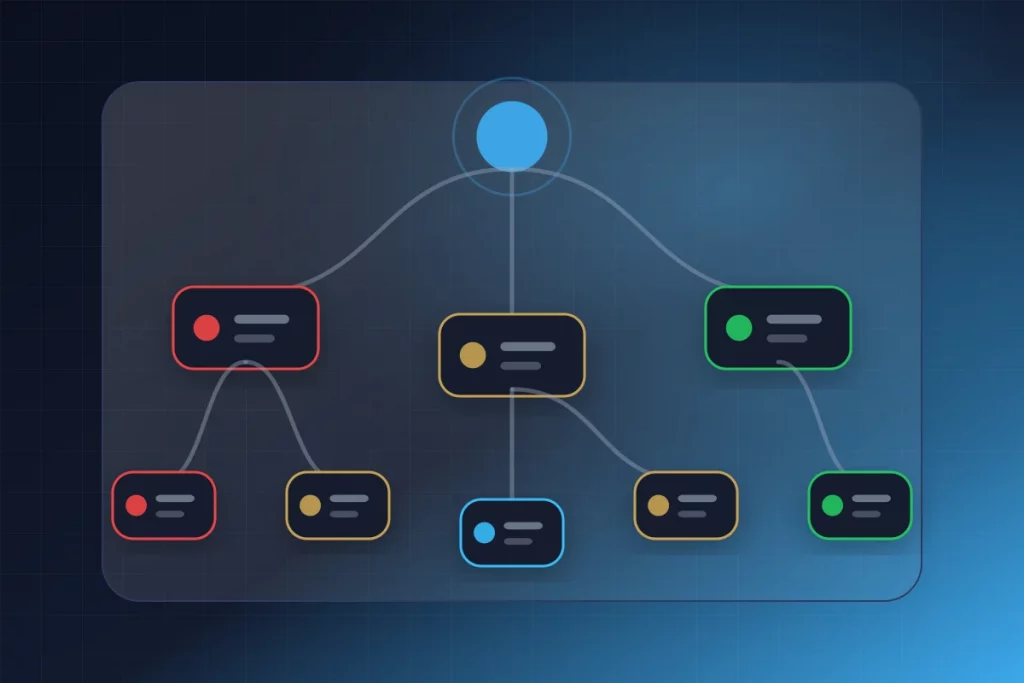
Honesty about having children attracts compatible matches. But HOW you mention children affects both your safety and your dating outcomes.
Recommended Approaches
- ✅ “Parent of [number].
- ✅ “Single dad/mom. Looking for someone who understands that family comes first.” — Values-forward.
- ✅ “[Number] amazing kids. They won’t meet anyone until I’m sure.” — Sets the verification expectation upfront.
What to Avoid
- ❌ Children’s names, ages, or specific details in the bio
- ❌ Photos of or with your children
- ❌ Custody schedule details (“I have them every other week”)
- ❌ Location details about children (school, activities, neighborhood)
- ❌ Framing that invites “instant family” seekers (“Looking for a father/mother figure for my kids”)
The profile should communicate that you’re a parent (honesty) without providing exploitable details about your children (privacy). Let compatibility develop in conversation — after you’ve screened the match through GuyID’s free tools and begun verifying their identity.
Summary: Your Family Deserves Verified Trust
Online dating safety for single parents requires the highest verification standard in dating — because the people who depend on you most are affected by every trust decision you make. The standard isn’t paranoia. It’s proportional to the stakes: unverified adults entering your children’s lives is a risk no amount of conversation chemistry justifies skipping.
The protocol: screen every match with GuyID’s free tools (60 seconds). Video call within the first week. Request GuyID Trust Profile before meeting (government ID + social vouches). Meet in public multiple times across months. Introduce to your trusted network. Background check before children are involved. All five verification points confirmed before anyone meets your kids. No exceptions.
Protect your children’s information as carefully as your own — names, schools, schedules, and photos are shared only after trust is verified through documents and time. Your dating profile mentions children honestly without providing exploitable details. Your financial boundaries are absolute — no accepting “help” from unverified partners.
The right person for you and your family will welcome every verification step. They’ll cooperate with identity confirmation because they understand that protecting your children is the same as protecting your family — the family they want to join. A person who resists verification before meeting your children is eliminating themselves from consideration. Trust the information that resistance provides.
You deserve genuine connection. Your children deserve verified safety. Both are available — through the proactive approach that replaces hope with verification at every stage. Date confidently. Verify thoroughly. Protect unconditionally.
Your Children Deserve Verified Trust — Not Hope
GuyID: government ID verification + social vouching + Trust Tiers + 60+ free screening tools. The verification standard your family deserves. Screen every match in 60 seconds. Confirm identity before anyone meets your kids.
Screen Your Matches Free
Verify Before They Meet Your Kids
Frequently Asked Questions
How do I date safely as a single parent?
When should my children meet someone I’m dating?
How do scammers target single parents specifically?
Should I share my custody schedule with a dating match?
What if my date resists the verification standard?
Can I accept financial help from someone I’m dating?
Evidence note
The FTC reported 64,003 romance-scam reports in 2023, with $1.14 billion in reported losses and a $2,000 median reported loss (Federal Trade Commission, 2024).