
Reader Briefing
Reader Briefing
Start here if you need a practical read on first date safety: the complete before, during & after guide: who should use verification, what signals to check, and what to do before moving from online interest to an in-person plan.
Who this is for
- People meeting someone from a dating app or social platform.
- Readers preparing for a first in-person date.
- Anyone checking identity, profile consistency, and trust signals.
- People trying to avoid romance scams, fake profiles, or pressure tactics.
You’ll learn
- How to evaluate identity signals without treating any single check as certainty.
- Which trust signals matter and how to weigh them together.
- How to spot inconsistencies, pressure, or behavior patterns that deserve caution.
- How to move from online conversation to a safer first meeting.
- Where GuyID tools fit into a quick pre-date screening workflow.
- When to slow down, ask for more context, or walk away.
Bottom line
Verification reduces uncertainty; it does not guarantee future behavior. Use a layered approach: confirm identity signals, compare profile consistency, ask for a short video call, keep early plans public, and slow down when someone pressures you to skip normal safety steps.
Key takeaways
- Identity verification improves confidence, not certainty.
- Patterns matter more than isolated incidents.
- Verify before meeting privately or sharing sensitive details.
- A short video call can reveal many inconsistencies.
- Pressure to skip reasonable safety steps is useful information.
Free Tools
Catfish Probability Detector
Check whether a dating profile has suspicious identity or photo signals.
Dating Bio Red Flag Detector
Review a bio for scam, pressure, or trust-warning language.
Dating Safety Checklist
Use free GuyID tools before moving from chat to a real date.
Next step
Create your GuyID trust profile
Share consent-based trust signals before a date without turning the conversation into an interrogation.
You’ve matched, you’ve messaged, you’ve (hopefully) video-called — and now you’re about to meet someone from a dating app in person for the first time. This is the moment where first date safety moves from digital precaution to physical reality. Everything changes when you’re sitting across from a stranger you met on the internet: the safety features of your dating app disappear, the conversation history becomes irrelevant to the present moment, and your physical safety depends entirely on the decisions you made before walking through the door and the awareness you maintain once you’re there.
This guide covers every dimension of first date safety: what to do before the date, during the date, and after the date — combining the digital verification that should precede every meeting with the in-person awareness that protects you once you’re there. Whether this is your first time meeting someone from an app or your fiftieth, these practices make every first date safer.
NavigateTable of Contents35 sections
⚡ Key Takeaways
Verify identity BEFORE the first date — not during or after
The most important first date safety step happens before you leave home: confirming the person’s real identity through GuyID Trust Profile verification (government ID + social vouching). Meeting a verified person is fundamentally different from meeting an unverified stranger.
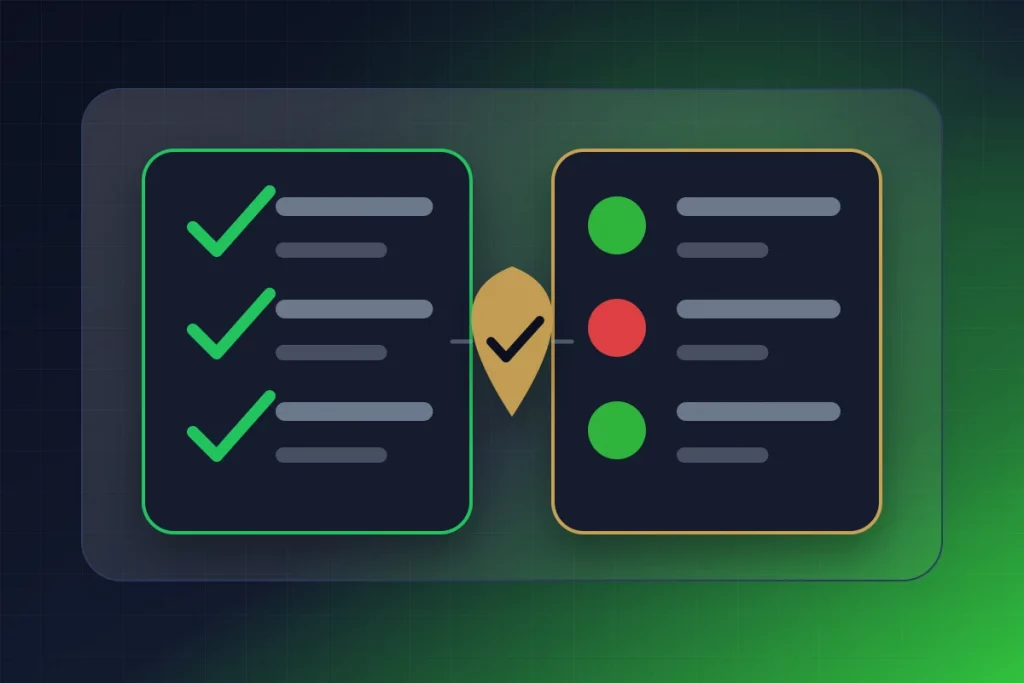
Tell a trusted friend every first date’s details: who you’re meeting (share their photo and profile), where you’re meeting (specific venue name and address), and when (arrival time + check-in time). This is the single most protective in-person safety habit.
Public venue + own transportation = maximum safety
Meet in busy, well-lit public places. Arrange your own transportation. These two decisions give you complete control over your environment and your ability to leave at any moment.
Trust your instincts — leave without guilt
If something feels wrong during the date, leave. You don’t need to articulate why. You don’t need permission. You don’t owe an explanation. Your safety instinct is the most sensitive detection system available.
Before the Date: The Pre-Meeting Safety Protocol
The most impactful first date safety steps happen before you ever leave your home. Pre-meeting verification transforms the experience from “meeting a stranger” to “meeting a verified person” — a fundamentally different risk profile.
Step 1: Complete Digital Verification
If you haven’t already completed the 5-level verification system during the conversation phase, do it now — before confirming the date.
- Reverse image search all their photos through GuyID’s free tools if not done already. (30 seconds)
- Video call with active deepfake testing if not completed. Full head turns, hand movements, room changes. A video call is non-negotiable before any in-person meeting. If they’ve refused video calls throughout the conversation, do not meet them.
- Request their GuyID Trust Profile — government ID verified, social vouches confirmed, Trust Tier visible. This is the definitive pre-meeting verification. Women check for free. The response to the request is itself diagnostic: genuine people cooperate, scammers deflect.
- Cross-reference on LinkedIn, Instagram, Facebook — confirm their claimed name, career, and location match across platforms. Inconsistencies between their dating profile, social media, and what they’ve told you are red flags to resolve before meeting.
Step 2: Research the Venue
Before agreeing to a specific restaurant, bar, or coffee shop, verify it’s a real, established, public venue. Search the venue on Google Maps. Check that it’s a populated public space — not a private residence, an obscure location, or a venue that recently closed. If your date suggested the location and you can’t verify it exists as a busy public space, suggest an alternative you know and trust.
Step 3: Prepare Your Safety Infrastructure
- Charge your phone fully. A dead phone is a dead safety line. Bring a portable charger if the date might run long.
- Have transportation arranged. Know how you’re getting there and getting home — independently of your date.
- Carry cash. If you need to leave suddenly, cash ensures you can pay for your portion and take a cab regardless of phone/app issues.
- Save the venue’s address in your phone. If you need to tell a friend or rideshare exactly where you are, having the address ready saves critical seconds.
Choosing the Right Location: Where to Meet on a First Date
Location choice is one of the most impactful first date safety decisions — the right venue creates a safe environment; the wrong one creates vulnerability.
Ideal First Date Locations
- Busy coffee shops during business hours: Well-lit, populated, staff present, easy to leave at any time, relatively short time commitment. The gold standard for a first meeting.
- Popular restaurants during peak hours: Busy environment with staff who can assist if needed. Lunch dates are particularly safe — midday, sober, time-limited.
- Public parks during daytime: Open sightlines, other people present, multiple exit routes. Avoid parks after dark.
- Well-known bars in busy areas: Populated venues with bartenders who are trained to recognize unsafe situations. Many bars participate in “angel shot” programs where ordering a specific drink signals you need help.
Locations to AVOID on a First Date
Never go to someone’s home — or invite them to yours — on a first date.
- Remote or isolated locations: Hiking trails, secluded beaches, empty parks, or any location without other people present. Isolation removes witnesses and assistance.
- Their car: Being in someone’s car puts them in control of your movement. Always meet at the venue, never in a vehicle.
- Unfamiliar private venues: “I know this amazing hidden spot” from someone you’ve never met is a red flag. If you can’t verify the venue is a real, established, publicly reviewed business, decline.
- Anywhere they insist on that makes you uncomfortable: If you suggest a coffee shop and they push for their apartment, insist on a remote location, or dismiss every public venue you suggest — this resistance to public, safe meeting conditions is itself a red flag.
📍
The Venue Rule
A good rule for first date safety: choose a venue where you’ve been before, where staff knows you, or where you know the layout well enough to leave quickly from any direction. Familiarity with the environment gives you an awareness advantage that a novel location doesn’t.
Transportation Safety: Getting There and Getting Home Independently
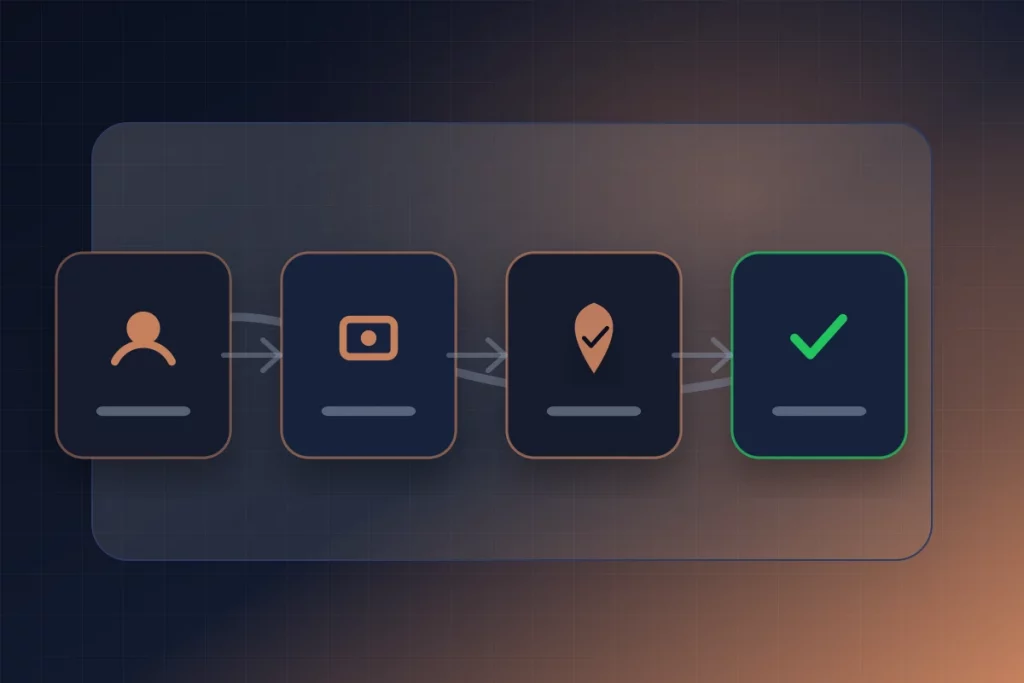
How you get to and from a first date directly affects your safety. The principle is simple: maintain complete independence over your transportation at all times.
Drive Yourself
If you have a car, drive yourself to the date. Park in a well-lit area near the venue. Know where your car is so you can walk directly to it if you need to leave quickly. Do not let your date walk you to your car on a first meeting — this reveals where your car is parked and, if they note your license plate, could be used to find your registered address.
Use Rideshare
If you don’t drive, use Uber, Lyft, or another rideshare service. Request the ride to the venue — not from their location. Share your trip status with your safety friend so they can track your ride. After the date, request your return ride from inside the venue before walking outside — don’t stand alone outside waiting for a car.
Public Transit
Public transit works for first dates at locations near busy transit stops. Avoid transfers that route you through empty stations late at night. If the date runs later than expected, switch to rideshare for the return trip rather than navigating empty transit alone.
What to NEVER Do
- Never let them pick you up at home. This reveals your home address to someone you haven’t met. It also creates a dependency — you can’t leave independently if the date becomes uncomfortable.
- Never get in their car. On a first date, being in someone’s vehicle puts them in control of where you go, how fast you go there, and whether you can exit.
- Never accept a ride home. Even if the date went well, maintain transportation independence on the first meeting. A genuine person will understand and respect this boundary.
The Friend Check-In System: Your Most Important Safety Net
The friend check-in system is the single most protective first date safety practice for in-person meetings. It creates a human safety net that activates if anything goes wrong.
Before the Date: Share Everything
Text a trusted friend the complete details:
- Who: Your date’s first name, a screenshot of their dating profile, and their phone number (or Google Voice number). If you’ve verified their GuyID Trust Profile, share the link too.
- Where: The specific venue name, address, and any details (“second floor, near the back patio”).
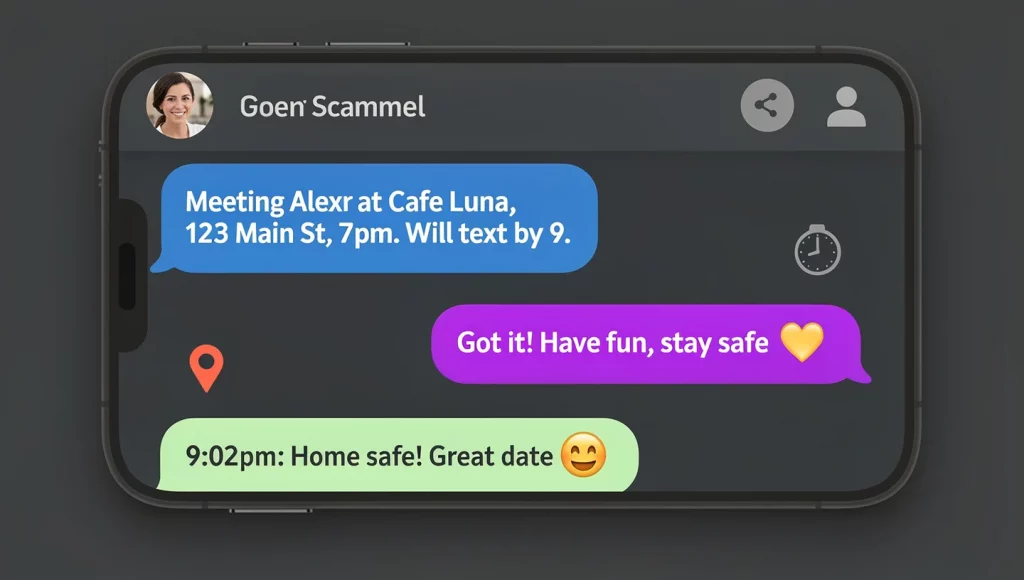
- When: Your expected arrival time, approximate date duration, and a specific check-in time. “I’m meeting Alex at Café Luna, 123 Main St, at 7pm. I’ll text you by 9pm. If I don’t text, call me. If I don’t answer, call me again. If I still don’t answer, something may be wrong.”
During the Date: Follow the Check-In Schedule
Text your friend at the agreed check-in time — even if the date is going great. “All good, having a great time, might stay a bit longer. I’ll text again by 10pm.” This confirms your safety and resets the clock. If you don’t check in, your friend knows to escalate.
The Escalation Protocol
Agree on an escalation protocol with your friend before the date:
- Missed check-in: Friend texts you. If you respond, all clear.
- No response to text (15 minutes): Friend calls you. If you answer, all clear.
- No answer to call (15 more minutes): Friend calls again. If you answer, all clear.
- No answer to second call: Friend contacts emergency services with the venue address and your date’s information.
This protocol sounds dramatic — and the vast majority of dates won’t trigger it. But having it in place provides the safety net that allows you to relax and enjoy the date knowing that someone is monitoring the situation. The protocol’s existence is the protection, not its activation.
Share Your Live Location
Use your phone’s location sharing (iPhone: Find My → Share My Location; Android: Google Maps → Location sharing) to give your friend real-time access to your location throughout the date. This provides continuous monitoring without requiring active communication — your friend can check your location at any time without you needing to text.
During the Date: What to Watch For
Once you’re at the venue, first date safety shifts from preparation to awareness. These signals help you evaluate both the person and the situation in real time.
Confirm They Match Their Profile
The first moment of the date is a verification moment. Do they look like their photos and video call appearance? If they appear significantly different — different age, different body type, dramatically different from their profile — this is catfishing. You have every right to leave immediately. A person who started the interaction with visual deception has already demonstrated dishonesty.
Watch for In-Person Red Flags
- Evasiveness about personal details: Can’t provide specific answers about where they live, work, or spend their time — the hallmark of a fabricated identity.
- Pressure to leave the public venue: “Let’s go somewhere more private” or “Let’s go back to my place” on a first date — premature isolation attempts.
- Boundary testing: Touching you after you’ve pulled away. Continuing a topic after you’ve changed the subject. Ordering for you without asking. Small boundary violations on a first date predict larger violations later.
- Excessive alcohol push: Repeatedly encouraging you to drink more, ordering drinks without asking, dismissing your stated limit (“come on, one more won’t hurt”). This may be social pressure — or it may be deliberate impairment targeting.
- Phone possessiveness: Keeping their phone screen angled away from you at all times, stepping away to respond to messages, or being visibly anxious about notifications. On its own, this could be normal privacy. Combined with other flags, it may indicate managing multiple targets simultaneously.
- Disproportionate emotional intensity: Declaring love, discussing exclusivity, making future plans, or expressing “soulmate” sentiments during a first meeting. This in-person love-bombing creates emotional leverage faster than any digital conversation.
Drink Safety: A Non-Negotiable First Date Practice
Drink safety is one of the most critical first date safety practices — and one of the most frequently underestimated.
The Rules
- Keep your drink in your sight at all times. If you go to the restroom, take your drink with you or order a fresh one when you return. Never leave a drink unattended at a table where your date has access.
- Watch your drink being prepared and served. Accept drinks directly from the bartender or server, not from your date’s hand. If your date offers to go to the bar and bring you a drink, politely go with them or order your own.
- Know your limits and stick to them. Set a personal drink limit before the date and don’t exceed it. If your date pressures you to drink more after you’ve stated your limit, that’s a boundary violation — not a social nicety.
- Trust unexpected symptoms. If you feel suddenly and disproportionately intoxicated — significantly more impaired than your consumption should produce — trust that feeling immediately. Tell a staff member. Contact your friend. Leave. Do not allow your date to “take care of you” or “drive you home.”
Ask Angela / Angel Shot Programs
Many bars and restaurants participate in safety programs where customers can discreetly signal for help. “Ask for Angela” (UK and spreading internationally) or ordering an “angel shot” (US) alerts staff that you need assistance. Staff will then help you leave safely — escorting you to a taxi, calling a rideshare, or removing you from the situation without confrontation. Before your date, check if the venue participates in such a program — knowing the option exists provides an additional safety layer.
When to Leave: Trusting Your Instincts Without Guilt
The most important first date safety skill is knowing when to leave — and leaving without hesitation or guilt when the signal fires.
Leave Immediately If
- They don’t match their profile photos — this is deception, and you owe a deceiver nothing
- They pressure you to go to a private or isolated location
- They become aggressive, angry, or hostile when you set any boundary
- They mention money, investments, or financial opportunities
- You feel suddenly and unexpectedly impaired
- They attempt to prevent you from leaving, accessing your phone, or contacting someone
- Your instinct tells you something is wrong — even if you can’t articulate what
How to Leave Safely
You don’t need an elaborate excuse. “I need to go” is a complete sentence. You don’t owe an explanation, a second chance, or a negotiation. If you want a reason to give, use the friend system: “My friend just texted — there’s an emergency, I need to go.” This deflects the reason onto a third party and avoids confrontation.
If you feel unsafe leaving directly (your date might follow you, might react aggressively, or the exit route feels vulnerable), go to the staff. “I’m on a date and I don’t feel safe. Can you help me get a ride/leave through a back exit/wait with me until my rideshare arrives?” Venue staff are your allies — they’ve handled this before.
The Guilt Problem
Many people — especially women — stay in uncomfortable date situations because of guilt: “I don’t want to be rude.” “They seem nice, maybe I’m overreacting.” “We just got here, I should give them a chance.” This guilt is the product of social conditioning that prioritizes politeness over safety. Reframe: a person who makes you feel uncomfortable on a first date has demonstrated something about their behavior that warranted your response. You are not being rude by leaving. You are being responsible. The temporary social awkwardness of leaving is infinitely preferable to the consequences of staying in an unsafe situation.
“You never regret leaving a date that felt wrong. You often regret staying.”
After the Date: Post-Date Safety

First date safety doesn’t end when you leave the venue. Post-date awareness protects against risks that emerge after the meeting.
Immediate Post-Date
- Text your friend. “Home safe” — two words that close the check-in loop and confirm your safety. If you committed to texting post-date, follow through — your friend is waiting.
- Don’t share your home location yet. If your date offers to follow you home “to make sure you get there safely,” decline. They don’t need to know where you live after one meeting. “I’m good, thank you! I’ll text you when I’m home” is sufficient.
- Debrief with your friend. Share your impressions while they’re fresh. Did anything feel off? Did the person match their profile and video call? Were there any in-person red flags? An outside perspective from someone who isn’t emotionally influenced by the date provides valuable calibration.
Between First and Second Date
- Monitor for post-date red flags: Excessive messaging immediately after (“I can’t stop thinking about you — you’re the one”), pressure to lock down the next date immediately with no breathing room, or asking for your home address so they can “send you flowers.” These are acceleration tactics that feel flattering but serve to deepen attachment before adequate trust is established.
- Don’t escalate information sharing too fast. A good first date doesn’t mean the person is fully verified and trusted. Continue following the privacy protocol — share information proportional to verified trust, not proportional to how well the date went.
- Second date should also be public. Continue meeting in public, populated venues for at least the first several dates. Don’t transition to private settings until identity is verified through GuyID, multiple consistent in-person interactions have occurred, and your support network has met or heard about the person.
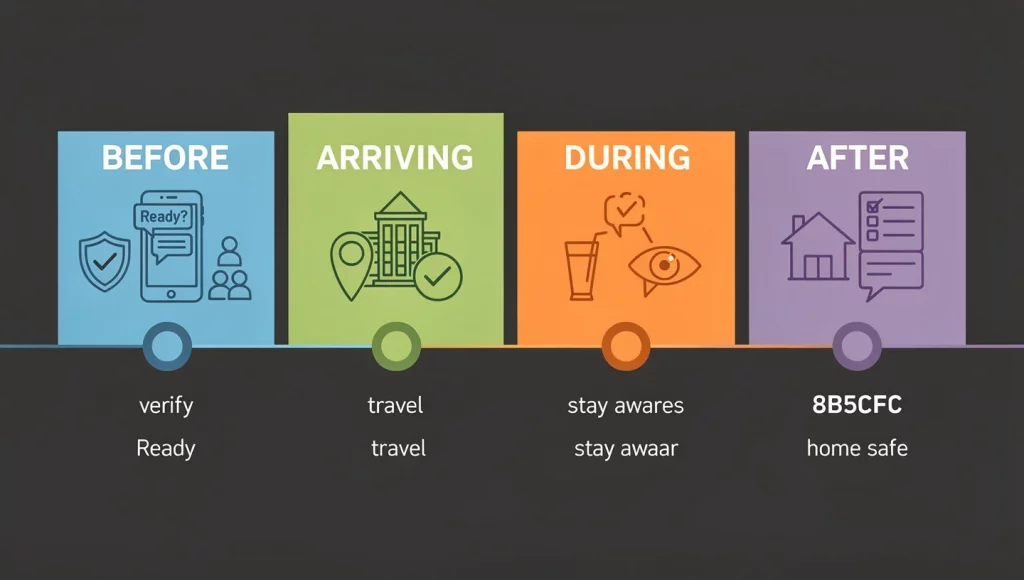
The Complete First Date Safety Checklist
🟢 Before the Date
☐ Complete 5-level verification (reverse image search, video call, social media check)
☐ Request GuyID Trust Profile (free for women to check)
☐ Research the venue — confirm it’s real, public, populated
☐ Arrange your own transportation (drive, rideshare, transit)
☐ Charge phone fully, bring portable charger
☐ Carry cash for emergency exit
☐ Text friend: who (name + profile screenshot), where (venue + address), when (time + check-in schedule)
🟡 Arriving at the Date
☐ Confirm they match their profile photos and video call
☐ If they don’t match → leave immediately, zero guilt
☐ Share your live location with your friend
☐ Note the venue layout — exits, restrooms, staff stations
☐ Sit where you have a clear path to the exit
🔵 During the Date
☐ Keep your drink in sight at all times
☐ Watch for in-person red flags: evasiveness, isolation pressure, boundary testing
☐ Monitor alcohol consumption — stick to your pre-set limit
☐ Text your friend at the scheduled check-in time
☐ Trust your instincts — leave if something feels wrong
🟣 After the Date
☐ Text your friend “home safe”
☐ Don’t let your date follow you home or learn your address
☐ Debrief impressions with your friend
☐ Monitor for post-date acceleration red flags
☐ Continue public venues for dates 2, 3, and beyond
☐ Don’t escalate information sharing faster than trust is verified
🔴 Leave Immediately If
☐ They don’t match their profile
☐ They pressure you toward a private/isolated location
☐ They become aggressive when you set a boundary
☐ They mention money, investments, or financial opportunities
☐ You feel suddenly and unexpectedly impaired
☐ They try to prevent you from leaving or using your phone
☐ Your instinct says something is wrong — trust it
Summary: First Date Safety Is Preparation + Awareness + Permission to Leave
First date safety rests on three pillars. Preparation: verify identity through GuyID before meeting, choose a public venue, arrange independent transportation, and establish a friend check-in system. Awareness: confirm they match their profile, monitor for in-person red flags, keep your drink safe, and maintain environmental awareness throughout. Permission: give yourself unconditional permission to leave at any time, for any reason, without guilt or explanation.
The difference between a safe first date and an unsafe one is rarely the venue or the person — it’s the preparation that happened before you arrived. Identity verification through GuyID Trust Profiles (free for women) transforms “meeting a stranger” into “meeting a verified person.” A friend check-in system creates a human safety net. And the awareness practices in this guide help you evaluate the situation in real time.
Millions of first dates happen every week. The overwhelming majority are safe, enjoyable, and lead to genuine connections. The first date safety practices in this guide don’t prevent good dates — they prevent the rare bad ones from becoming dangerous. Preparation costs minutes. Awareness costs nothing. Permission to leave is free. The potential cost of not preparing is measured in the statistics that nobody wants to become.
For the complete dating safety framework — from first swipe to committed relationship — see our guides on proactive dating safety, online dating safety tips, dating app privacy, and the 5-level verification system. Safety is a practice, not a destination. Every date deserves it.
Verify Before You Meet. Every Time.
GuyID confirms who you’re meeting through government ID + social vouching + Trust Tiers — before you walk through the door. 60+ free safety tools for screening. Women check Trust Profiles for free. Because meeting a verified person is fundamentally safer than meeting a stranger.
Try Free Safety Tools
Check a Trust Profile Free
Frequently Asked Questions
What should I do before a first date from a dating app?
What are the red flags during a first date?
How do I leave a date safely if something feels wrong?
How many dates should I have before going to someone’s home?
What is the most important first date safety tip?
Related Reading
- Online Dating Safety for LGBTQ+: Complete Protection Guide (2026)
- How to Vet Someone Before a First Date Without Being Weird
- First Date: The Complete Guide to Getting It Right
Evidence note
The FTC reported 64,003 romance-scam reports in 2023, with $1.14 billion in reported losses and a $2,000 median reported loss (Federal Trade Commission, 2024).