Reader Briefing
Reader Briefing
Start here if you need a practical read on proactive dating safety: why verify-first wins: who should use verification, what signals to check, and what to do before moving from online interest to an in-person plan.
Who this is for
- People meeting someone from a dating app or social platform.
- Readers preparing for a first in-person date.
- Anyone checking identity, profile consistency, and trust signals.
- People trying to avoid romance scams, fake profiles, or pressure tactics.
You’ll learn
- How to evaluate identity signals without treating any single check as certainty.
- Which trust signals matter and how to weigh them together.
- How to spot inconsistencies, pressure, or behavior patterns that deserve caution.
- How to move from online conversation to a safer first meeting.
- Where GuyID tools fit into a quick pre-date screening workflow.
- How to compare options using practical safety and trust criteria.
Bottom line
Verification reduces uncertainty; it does not guarantee future behavior. Use a layered approach: confirm identity signals, compare profile consistency, ask for a short video call, keep early plans public, and slow down when someone pressures you to skip normal safety steps.
Key takeaways
- Identity verification improves confidence, not certainty.
- Patterns matter more than isolated incidents.
- Verify before meeting privately or sharing sensitive details.
- A short video call can reveal many inconsistencies.
- Pressure to skip reasonable safety steps is useful information.
Free Tools
Catfish Probability Detector
Check whether a dating profile has suspicious identity or photo signals.
Dating Bio Red Flag Detector
Review a bio for scam, pressure, or trust-warning language.
Dating Safety Checklist
Use free GuyID tools before moving from chat to a real date.
Next step
Create your GuyID trust profile
Share consent-based trust signals before a date without turning the conversation into an interrogation.
Much dating-safety advice is reactive: spot warning signs after matching, detect manipulation after it begins, and report fraud after exposure. Proactive dating safety asks people to gather evidence earlier. The FTC reported that romance scammers stole more than $1 billion in 2023 (FTC), which supports taking preventive checks seriously without claiming that verification alone can stop every scam.
This article defines the two models, exposes why the reactive model fails against modern threats, explains why proactive dating safety is the only approach that neutralizes scams before emotional and financial damage occurs, and provides the specific tools and practices that make the proactive model work. If you’ve ever felt that dating safety advice arrives too late to be useful — that by the time you recognize the red flags, you’re already emotionally invested — this framework explains why, and gives you the alternative.
NavigateTable of Contents29 sections
⚡ Key Takeaways
Reactive safety detects danger after exposure — proactive safety prevents it
The entire traditional dating safety model is reactive: recognize red flags, detect scams, report after the fact. Proactive dating safety verifies trust before emotional investment, making the red flags irrelevant because the scammer never gets close.
Reactive advice fails against AI-powered scams
“Watch for bad grammar” fails when AI writes fluently. “Reverse image search” fails when AI generates original faces. “Do a video call” fails when deepfakes operate in real time. The reactive model was built for 2018 threats, not 2026 reality.
Proactive safety = verify before you invest
Run verification tools before matching. Confirm identity before emotional investment. Establish trust before meeting. The proactive sequence inverts the reactive model by putting verification first instead of last.
Proactive safety benefits genuine people too
In a proactive model, genuine people can use verification as an additional trust signal. Verification does not prove character or guarantee a better dating outcome, but it gives a match more evidence than an unverified profile alone.
GuyID is the proactive safety platform
GuyID was built specifically for proactive dating safety — consent-based verification that confirms identity before the first message, not after the first money request.
The Two Models of Dating Safety: Reactive vs Proactive
Every piece of dating safety advice, every tool, and every platform feature falls into one of two categories. Understanding which model you’re operating in — and consciously choosing the other — is the most impactful shift you can make in how you approach online dating.
The Reactive Model (How Most People Date Now)
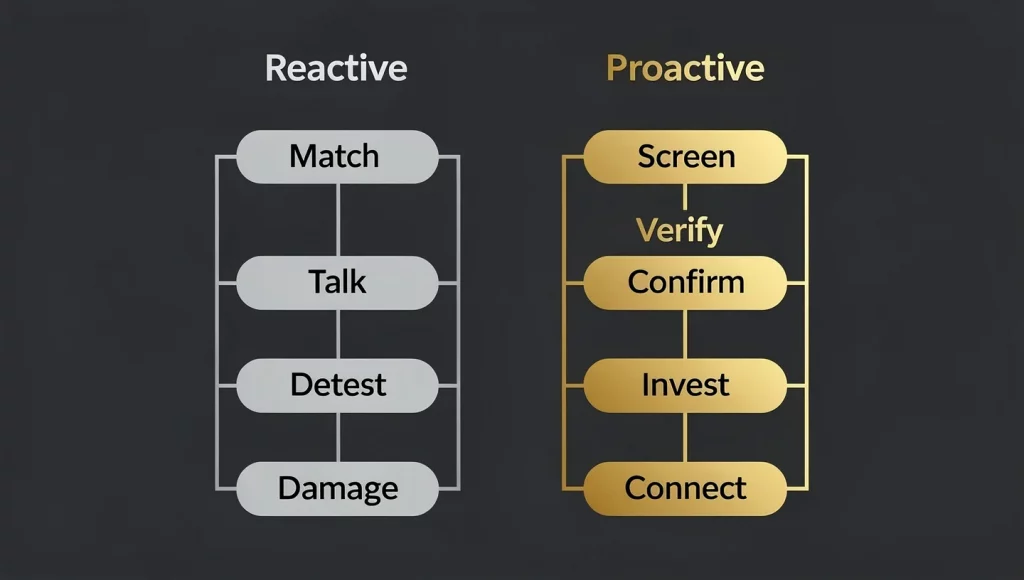
The reactive model follows a dangerous sequence: match first, then evaluate. In this model, you swipe right based on photos and a bio, begin conversations, develop emotional investment over days or weeks, and then — after you’re already attached — start looking for red flags. If you find them, you try to extricate yourself from a relationship that already has emotional hooks in you. If you don’t find them (or if you rationalize them away because you’re invested), the scam or manipulation continues.
The reactive model places the burden of detection on the victim after emotional investment has already occurred. This is like teaching someone to identify poisonous mushrooms after they’ve already been cooked into the meal. The information is correct, but the timing makes it far less useful. By the time you’re Googling “romance scam signs on WhatsApp” or “can a romance scammer fall in love,” the scammer has already established the emotional leverage that makes their detection information psychologically difficult to act on.
The Proactive Model (How Dating Safety Should Work)
Proactive dating safety inverts the sequence: verify first, then invest. Before matching, before the first conversation, before any emotional investment occurs, you verify what you can about the person — their photo authenticity, their profile credibility, their real-world identity. The emotional investment begins only after a baseline of verified trust has been established. Red flags aren’t things you watch for — they’re things that were eliminated before they could appear.
In the proactive dating safety model, the question isn’t “Is this person showing scam signs?” — it’s “Has this person demonstrated trustworthiness through verification?” The shift is from suspicion-based evaluation (looking for reasons to doubt) to evidence-based trust (looking for demonstrated reasons to trust). This isn’t just semantically different — it’s psychologically different. Suspicion creates anxiety. Evidence-based trust creates confidence. One makes dating exhausting. The other makes it enjoyable.
| Dimension | Reactive Dating Safety | Proactive Dating Safety |
|---|---|---|
| When verification happens | After matching, after conversations, after emotional investment | Before or during matching, before emotional investment |
| What triggers verification | Suspicion — something feels wrong | Routine — verification is a standard step, not a response to doubt |
| Emotional state during evaluation | Compromised — already invested, resistant to negative findings | Clear — no emotional investment yet, open to objective data |
| Primary question | “Are there red flags I should worry about?” | “Has this person demonstrated trustworthiness?” |
| Psychological experience | Anxiety, vigilance, suspicion, dating fatigue | Confidence, clarity, informed decision-making |
| Protection against AI scams | Limited when it relies on surface-level clues alone | Adds identity evidence, but does not prove intent or eliminate fraud risk |
| Outcome for genuine people | Punished — treated with suspicion until proven innocent | Rewarded — verification is a visible positive signal |
Why the Reactive Model Dominated Dating Safety Until Now
The reactive model didn’t become dominant because it was the best approach — it became dominant because it was the only approach possible before verification infrastructure existed. Understanding this history explains why proactive dating safety is now possible when it wasn’t before.
The Pre-Verification Era (2012-2022)
When dating apps launched, no third-party verification infrastructure existed for consumer dating. There was no way to verify a stranger’s identity before matching with them. No tools to reverse image search from a mobile phone. No AI detection capabilities. No portable trust profiles. The only available safety strategy was education: teach people what scam patterns look like so they can recognize them. This reactive education model — which produced articles like “10 Red Flags in Online Dating” and “How to Tell If Your Match Is a Scammer” — was the best available option in a world without verification tools.
The Verification Infrastructure Era (2023-Present)
By 2026, the infrastructure for proactive dating safety exists. Mobile reverse image search is instant and free through tools like GuyID’s safety tools. Government ID verification is available through platforms like GuyID with biometric matching. Social vouching systems confirm character through real human relationships. AI-powered analysis tools detect suspicious profiles and conversation patterns. The technology to verify before investing now exists — but the dominant safety advice hasn’t caught up. Most dating safety content still teaches the reactive model because that’s what the authors learned, even though the tools for proactive safety are available today.
Why the Shift Hasn’t Happened Faster
Three factors slow the adoption of proactive dating safety. First, habit — people are accustomed to the reactive model because it’s what every dating safety article, every friend’s advice, and every platform tip has taught them. Second, the dating app industry benefits from the reactive model — if users verified before matching, many would discover fake profiles before swiping right, reducing the inflated match metrics that platforms use to demonstrate value. Third, the emotional culture of dating romanticizes spontaneity over verification — “just let it happen naturally” feels romantic while “verify their identity first” feels clinical. But clinical doesn’t mean cold — it means informed. And informed dating is better dating.
Why the Reactive Model Fails Completely Against 2026 Threats
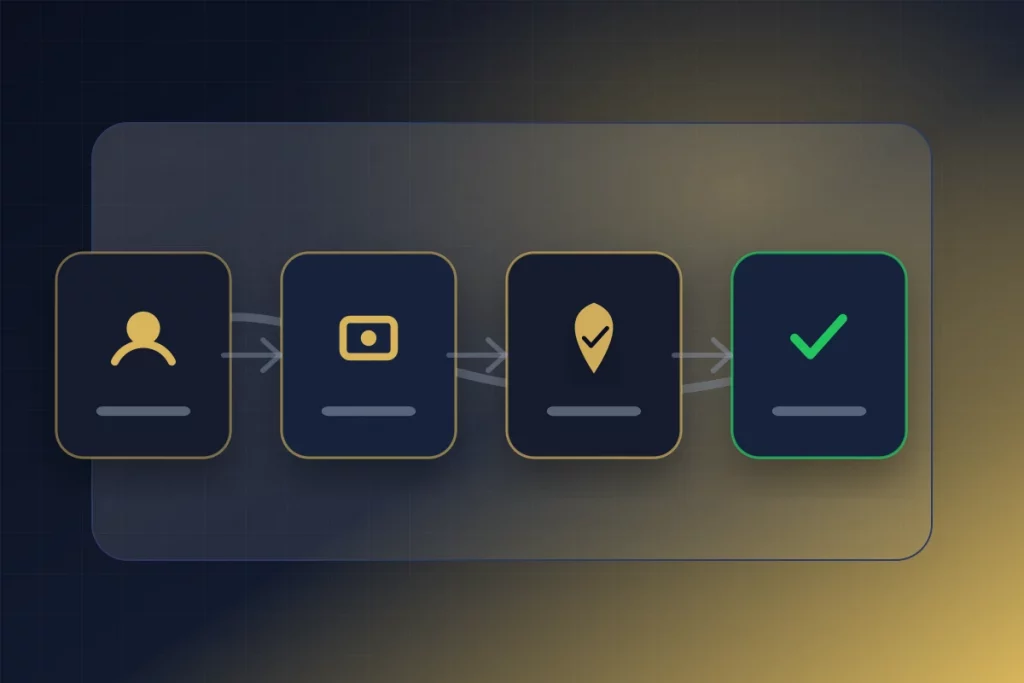
The reactive model was designed around surface-level warning signs such as stolen photos, scripted conversations, and refusal to video call. Generative AI can weaken some of those signals by producing fluent text and synthetic media. That makes any single detection method less dependable and strengthens the case for layered proactive dating safety.
How AI Defeats Reactive Detection
- “Watch for bad grammar” → AI writes fluent, natural text in any language. A reactive strategy that depends on language errors detects nothing when the scammer’s messages are grammatically perfect and emotionally resonant.
- “Reverse image search their photos” → AI can generate original faces that have no earlier source image. Reverse search remains useful for stolen photos, but a clean result is not proof of authenticity.
- “Insist on a video call” → Real-time deepfake face-swapping passes casual inspection. The reactive safety measure that was once definitive is now merely a speed bump for sophisticated operations.
- “Be suspicious of too-fast responses” → Automated systems can produce rapid, personalized messages. Response speed alone cannot reliably distinguish a person from automation.
- “Check for inconsistencies” → AI maintains conversation context across weeks, remembering details and maintaining consistency far better than human scammers who manage dozens of targets from memory.
AI has weakened several traditional detection signals, although those techniques remain useful as parts of a layered check. Proactive dating safety adds identity and consistency checks earlier in the interaction; it reduces uncertainty but cannot establish a person’s intentions or guarantee safety.
“Reactive safety says: ‘Learn to identify the counterfeit.’ Proactive safety says: ‘Only accept verified currency.’ When the counterfeits become indistinguishable from the real thing — as AI is making them — the only viable strategy is proactive verification.”
The Proactive Dating Safety Framework: Verify Before You Invest
The proactive dating safety framework is built on a simple principle: verification should happen before emotional investment, not after. Here is the complete framework organized as a sequential process that replaces the reactive model’s match-then-evaluate approach.
Stage 1: Pre-Match Screening (30 Seconds Per Profile)
Before you even swipe right, run a rapid screening on profiles that interest you. Save their main photo and run it through GuyID’s reverse image search. Check for the AI-generated photo characteristics detailed in our deepfake detection guide — excessive perfection, background artifacts, accessory inconsistencies. Look at their bio for the vagueness patterns that characterize scam profiles — generic language, no specific verifiable details, impressive-but-unverifiable career claims.
This brief screening can surface obvious inconsistencies before a profile enters your conversation queue. In the reactive model, screening often happens after conversations begin. In proactive dating safety, it happens before meaningful emotional investment.
Stage 2: Post-Match Verification (Before Emotional Investment)
After matching but before the conversation deepens beyond surface pleasantries, deploy verification tools. Run their additional photos through reverse image search. Use the catfish probability detector for an objective risk assessment. Run their bio through the bio red flag detector. Search their claimed name on LinkedIn, Instagram, and Facebook to check for consistent digital history.
Critically, request a video call within the first 3-5 days — not as a suspicious verification measure, but as a normal step of getting to know someone. “Hey, I’d love to hear your voice — can we do a quick video call this week?” In the proactive dating safety model, this isn’t a test you administer when something feels wrong — it’s a standard step that everyone takes, regardless of whether red flags are present. Making verification routine removes the stigma and makes it feel natural rather than accusatory.
Stage 3: Identity Verification (Before Meeting in Person)
Before any in-person meeting, request verified identity confirmation. “I know this might seem formal, but I like to be safe — do you have a verified profile on GuyID? If not, would you be open to getting one?” This direct request serves triple duty: it confirms their identity through government ID and social vouching, it tests their reaction (genuine people understand; manipulators resist), and it sets a standard for the relationship that normalizes transparency.
The proactive dating safety model makes identity verification as routine as exchanging phone numbers. Just as you wouldn’t go on a date without knowing their name, the proactive model establishes that you wouldn’t go on a date without verified trust. This standard, once adopted, makes every subsequent dating interaction more confident, more comfortable, and more likely to produce genuine connection.
Stage 4: Ongoing Verification (During the Relationship)
Even after initial verification, proactive dating safety maintains awareness through the relationship’s development. This isn’t paranoid vigilance — it’s sensible boundary maintenance. Watch for the financial escalation patterns described in our pig butchering guide. Maintain connection with your support network (friends and family who provide outside perspective). Continue meeting in public places until trust is organically established through consistent behavior. And maintain the absolute rule: never send money to someone whose identity and trustworthiness haven’t been independently verified through government ID and social vouching.
Proactive Dating Safety in Practice: Real Scenarios
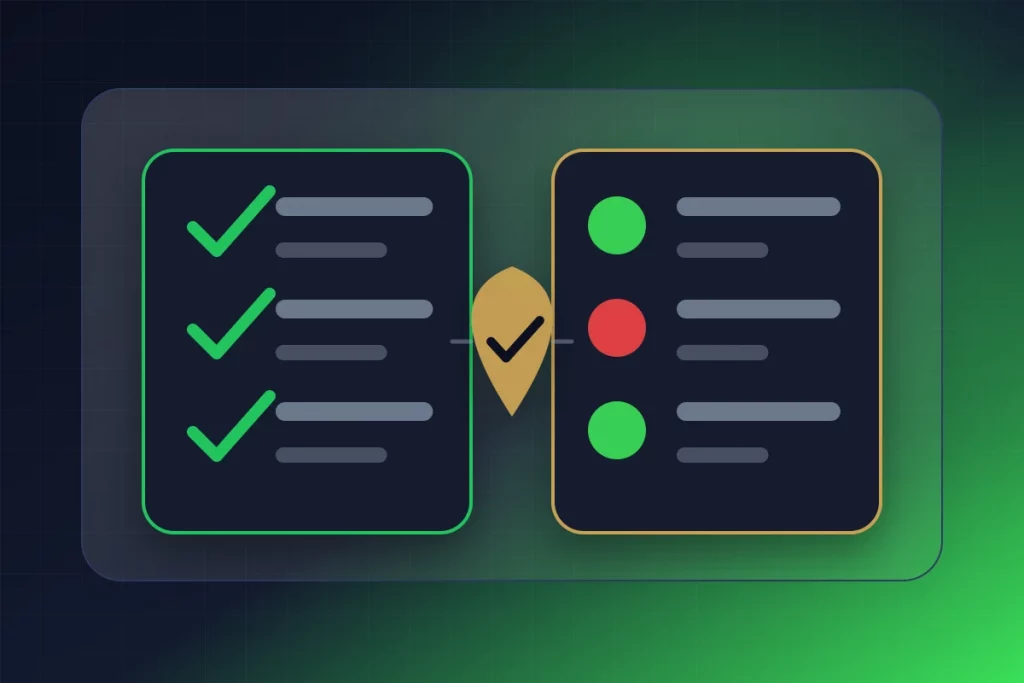
Understanding how proactive dating safety plays out in real dating scenarios makes the framework practical rather than theoretical. Here are three scenarios showing the contrast between reactive and proactive approaches.
Scenario 1: A New Match Who Seems Perfect
Reactive approach: You match with someone attractive and charming. Conversations flow naturally for two weeks. You develop feelings. They mention a financial opportunity. You Google “romance scam signs” and realize several red flags were present all along — but now you’re emotionally invested and hesitant to accept the evidence.
Proactive approach: You match with someone attractive and charming. Before the conversation deepens, you run their photos through GuyID’s reverse image search and request a video call. Before meeting, you ask whether they can share a GuyID Trust Profile. These checks provide additional evidence, but you still maintain normal boundaries and treat an unsolicited financial opportunity as a serious warning sign.
Scenario 2: A Match Who Pressures You to Move Fast
Reactive approach: They push to move to WhatsApp within 24 hours. You comply because you don’t want to seem difficult. Once on WhatsApp, the love-bombing intensifies. By the time you recognize the escalation pattern, you’ve been communicating for three weeks and the emotional bond is strong.
Proactive approach: They push to move to WhatsApp within 24 hours. Your proactive dating safety standard kicks in: you respond “I’d love to chat more! I usually do a quick video call before sharing my number — can we do that first?” Their response tells you everything. A real person says “sure!” A scammer makes excuses. The scam is stopped before it starts — not because you detected a red flag, but because your proactive process required verification that the scammer couldn’t provide.
Scenario 3: Returning to Dating After Being Scammed
Reactive approach: After being scammed, you’re hypervigilant. Every match triggers anxiety. Every charming message feels like manipulation. You analyze every interaction for red flags. Dating becomes exhausting. You consider quitting.
Proactive approach: After being scammed, you adopt the proactive dating safety framework. You run verification tools on every match — not out of fear, but as routine. You request video calls and verified trust profiles as standard steps. When a match passes all verification — reverse image search clean, video call confirmed, GuyID Trust Profile verified with social vouches — you can engage with genuine confidence. The anxiety is replaced by informed trust. You date with an open heart and verified information. You’re protected without being paranoid.
💡
The Proactive Mindset Shift
Proactive dating safety isn’t about being suspicious of everyone — it’s about being efficient with your trust. You don’t refuse to trust; you require trust to be demonstrated rather than assumed. This is the same standard you apply to every other significant decision: you don’t hire someone without checking references. You don’t buy a house without an inspection. You shouldn’t date someone without verifying their identity. The proactive model applies the same reasonable diligence to dating that you already apply to everything else that matters.
Why Proactive Dating Safety Is Better for Genuine People
A common objection to proactive dating safety is that it makes dating feel transactional or suspicious. The opposite is true — the proactive model actually benefits genuine people more than the reactive model does.
For Genuine Men: Verification Is Differentiation
In the reactive model, a genuine person has limited ways to provide evidence beyond a platform profile. In the proactive dating safety model, someone who verifies through GuyID can share identity status and vouches as additional trust signals. Those signals do not prove honesty or future behavior, but they provide checkable context.
For a genuine person, voluntary verification can differentiate a profile without requiring a match to rely only on self-description. Whether that improves dating outcomes depends on the people and context involved.
For Genuine Women: Confidence Replaces Anxiety
In the reactive model, a woman navigates every interaction with baseline anxiety — performing the constant safety calculus described in our trust gap analysis. In the proactive dating safety model, a woman who verifies her matches before investing has genuine confidence replacing that anxiety. She’s not wondering “Is he real?” — she knows he’s real because his identity is verified. She’s not afraid of being scammed — she’s focused on whether they’re compatible. The emotional energy that reactive safety drains into vigilance is freed for actual connection.
For Both: Better Connections Through Trust
Genuine connection requires vulnerability, and vulnerability requires trust. The reactive model undermines trust by keeping both parties in a state of evaluation — she’s watching for red flags, he’s trying to prove he’s not suspicious. Neither party is fully present. The proactive dating safety model establishes trust before the conversation deepens, allowing both parties to be genuinely present, genuinely vulnerable, and genuinely open to connection. The verification doesn’t make the interaction cold — it makes it safe enough to be warm.
The Economics of Proactive vs Reactive Dating Safety
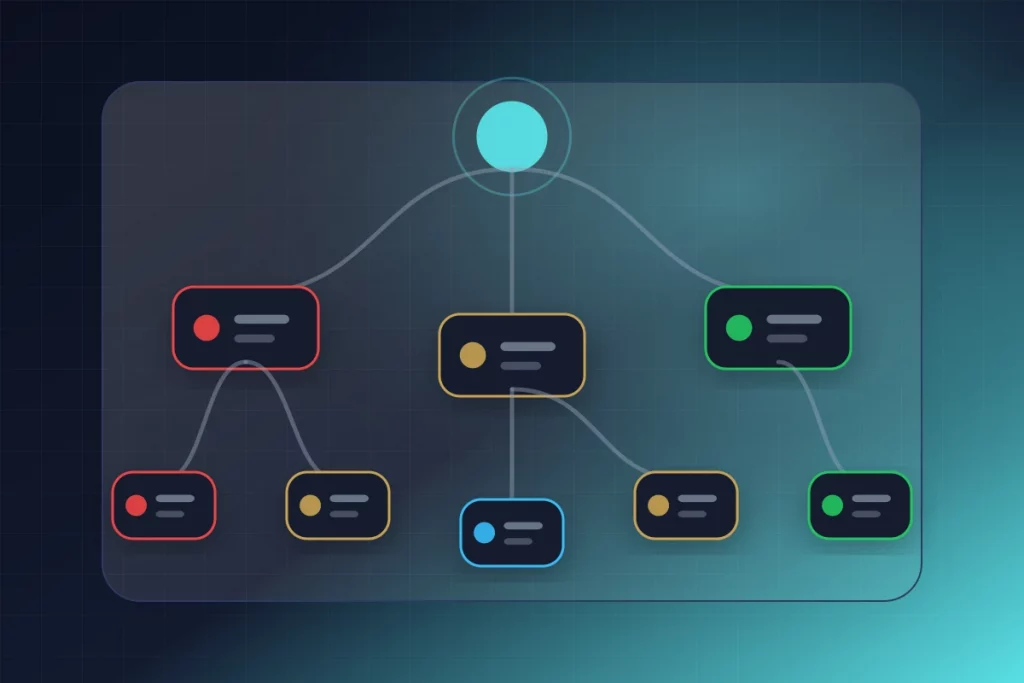
Beyond the emotional and safety arguments, the economics of proactive dating safety versus reactive safety are dramatically different — and they overwhelmingly favor the proactive model.
The Cost of Reactive Safety
Romance scams can cause substantial and sometimes unrecoverable losses. The FTC reported that romance scammers stole more than $1 billion in 2023 and advises people not to send money to an online love interest (FTC). Recovery depends on the payment method and how quickly the victim contacts the provider; this article does not assign unsupported recovery percentages.
The Cost of Proactive Safety
The proactive model asks people to invest time in checks before harm occurs. Some screening options, including reverse image search and GuyID’s public safety tools, can be used without a fee. Availability, pricing, and completion time can change, so users should confirm current product terms on GuyID.
Up-front screening requires time, while falling for a scam can create financial and emotional harm. Proactive dating safety cannot guarantee prevention, but modest diligence is a reasonable tradeoff when compared with proceeding without checks.
Building Your Proactive Dating Safety Stack
The complete proactive dating safety stack consists of tools deployed in sequence, each addressing a different verification dimension. Here is the recommended stack with the order and timing for each tool.
🟢 Pre-Match (brief profile review)
→ Visual scan for AI photo characteristics
→ GuyID reverse image search on main photo
→ Bio scan for vagueness and generic language
Purpose: surface copied photos, visible inconsistencies, and thin profiles; a clean result is not proof of authenticity.
🟡 Post-Match, Pre-Investment
→ Catfish probability detector on full profile
→ Bio red flag detector on profile text
→ Social media cross-reference (LinkedIn, Instagram, Facebook)
→ Video call within first week (with deepfake awareness)
Purpose: compare signals across the profile, public context, conversation, and a live call.
🔵 Pre-Meeting Verification
→ Ask for verified GuyID Trust Profile link
→ Check their Trust Tier, ID verification status, and social vouches
→ Share date plans with a trusted friend
Purpose: review available identity and social proof while preserving ordinary first-date precautions.
🟢 Ongoing (Behavioral Awareness)
→ Monitor for financial escalation patterns
→ Maintain support network connection
→ Absolute rule: no money to unverified people
Purpose: remain alert to financial escalation and manipulation after initial checks.
The complete proactive dating safety stack can be adapted to the interaction. The relevant comparison is not a promised detection rate or fixed duration: it is the limited effort of gathering more evidence before trust versus proceeding on profile claims alone.
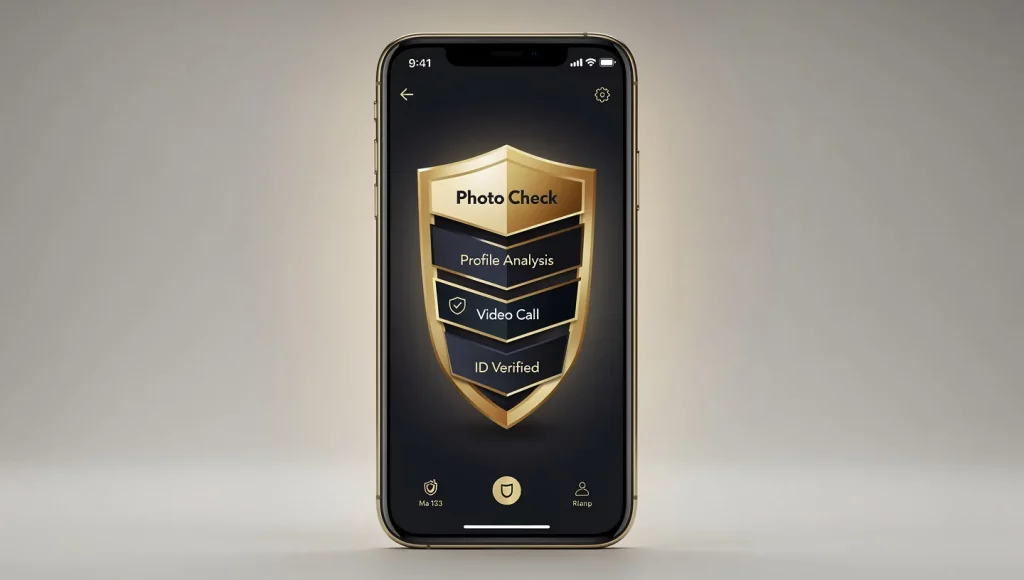
Summary: The Shift from Reactive to Proactive Dating Safety
The shift from reactive to proactive dating safety changes when people gather evidence. Reactive guidance remains useful for recognizing warning signs, but its limitation is timing: it can place much of the detection burden on people after emotional investment has begun.
In 2026, the reactive model faces an existential challenge. AI-powered scams have eliminated the surface-level tells that reactive detection depends on. Deepfakes defeat video verification. AI chatbots defeat language analysis. AI-generated photos defeat reverse image search. The red flags that reactive safety teaches you to watch for are being erased by technology faster than new detection methods can be developed.
Proactive dating safety solves this by moving verification before investment. Before you’re emotionally attached, before the scammer’s manipulation has taken hold, before the love-bombing has compromised your judgment — you verify. You run the tools. You confirm the identity. You check the trust profile. You establish that a real, verified, vouched-for human being is on the other end of the conversation. Then — and only then — you invest.
This isn’t paranoia. It’s the same reasonable diligence you apply to every other important decision in your life. You check references before hiring. You inspect before buying. You research before investing. Proactive dating safety simply applies the same standard to the most emotionally significant decisions you make — who to trust with your time, your feelings, and potentially your safety.
The tools include GuyID’s safety tools for screening, GuyID’s consent-based verification for identity evidence, and the framework described in this guide. Reactive warning-sign awareness and proactive dating safety should be used together; neither proves character or removes the need for ordinary safety boundaries.
Stop Reacting. Start Verifying.
GuyID was built for proactive dating safety — verify trust before emotional investment, not after financial loss. Government ID verification, social vouching, Trust Tiers, 60+ free safety tools, and portable Date Mode links. Women check for free.
Try Free Safety Tools
Get Verified on GuyID