Free Tools
Catfish Probability Detector
Check whether a dating profile has suspicious identity or photo signals.
Dating Bio Red Flag Detector
Review a bio for scam, pressure, or trust-warning language.
Dating Safety Checklist
Use free GuyID tools before moving from chat to a real date.
Next step
Create your GuyID trust profile
Share consent-based trust signals before a date without turning the conversation into an interrogation.
Every major dating app now offers some form of verification — a blue checkmark, a photo badge, a “verified” label. But here’s what most daters don’t realize: dating profile verification on mainstream apps confirms almost nothing about who a person actually is. Tinder’s blue check means a selfie matched uploaded photos. Bumble’s verification means the same. Neither confirms the person’s real name, real age, criminal background, relationship status, or character.
This comprehensive guide covers every dimension of dating profile verification: how each major platform’s system works, what their badges actually confirm, where the critical gaps are, how scammers bypass existing verification, and the emerging consent-based verification model that closes those gaps. Whether you’re evaluating a match’s verification status or deciding how to verify yourself, this guide gives you the complete picture that dating apps don’t provide.
NavigateTable of Contents34 sections
⚡ Key Takeaways
Verification badges confirm photos, not identity
Every major dating app’s verification badge means one thing: a live selfie matched profile photos. It does NOT confirm real name, age, career, background, or character. This is the fundamental limitation of current dating profile verification.
AI can bypass photo-only verification
Deepfake technology enables scammers to pass liveness checks using AI-generated faces overlaid on their real face. Photo verification was designed for 2018 threats, not 2026 capabilities.
Verified profiles get dramatically better results
Dating profile verification isn’t just safety — it’s a competitive advantage.
Three levels of verification exist — most apps only offer Level 1
Level 1: Photo matching (what apps provide). Level 2: Government ID confirmation. Level 3: Government ID + social vouching + progressive trust tiers. Only Level 3 is resistant to AI-powered scams.
GuyID provides Level 3 verification that works across all apps
GuyID offers government ID verification + social vouching + Trust Tiers in a portable trust profile that works on Tinder, Bumble, Hinge, and every other platform. Women check for free.
What Dating Profile Verification Actually Means in 2026
Dating profile verification sounds comprehensive. The word “verified” implies that a thorough check has been performed — that the person bearing the badge has been confirmed as legitimate. In reality, dating app verification in 2026 performs one specific function and one function only: it confirms that a live selfie matches the photos uploaded to a profile. Everything else — name, age, career, background, character, intentions — remains entirely self-reported and unverified.
This isn’t a minor distinction. It’s the gap that makes the difference between actual safety and the illusion of safety. When you see a blue checkmark on Tinder, your brain interprets “verified” broadly — this person has been checked, they’re real, they’re safe. But the platform implemented “verified” narrowly — a selfie matched some photos. The distance between your interpretation and the platform’s implementation is where scammers operate, and it’s why organized romance-scam operations (FTC) continue to exploit platforms where millions of users carry verification badges.
Understanding what dating profile verification actually confirms on each major platform is the foundation of making informed decisions about who to trust. Verification badges are useful — they’re just not what most people think they are.
How Dating Profile Verification Works on Every Major Dating App
Each major dating app implements dating profile verification slightly differently, but the core mechanism is identical across all of them: photo matching through liveness detection. Here’s exactly what each platform’s verification system does — and doesn’t do.
Tinder Verification (Blue Checkmark)
Tinder’s verification requires you to take a live selfie mimicking a specific pose shown on screen. The system uses facial recognition AI to compare the selfie to your uploaded profile photos. If the live face matches the profile photos, you receive a blue checkmark.
What Tinder’s verification confirms: The person taking the selfie matches the profile photos.
What it does NOT confirm: Real name, real age, relationship status, criminal background, employment, or whether the photos themselves are AI-generated.
Bumble Verification (Photo Verification Badge)
Bumble’s verification process asks you to take a selfie mimicking a specific gesture shown in the app. Machine learning compares the selfie to your profile photos. The badge appears on your profile indicating you’ve completed photo verification. Bumble’s system is slightly more rigorous than Tinder’s in that it uses gesture-matching (you must perform a specific action, not just take a static selfie), which makes it marginally harder for deepfakes to pass — though not impossible.
What Bumble’s verification confirms: A live person performed a specific gesture and their face matches profile photos.
What it does NOT confirm: Real name, age, relationship status, background, character, or intentions.
Hinge Verification (Selfie Verification)
Hinge’s selfie verification uses a video selfie to confirm that you match your profile photos. The system analyzes the video for liveness (ensuring it’s a real person, not a static image held up to the camera) and compares the face to uploaded photos.
What Hinge’s verification confirms: A live video selfie matches profile photos.
What it does NOT confirm: Legal identity, age accuracy, employment claims, relationship status, or character.
Facebook Dating Verification
Facebook Dating leverages the existing Facebook profile, which provides more identity signals than standalone dating apps (friends list, tagged photos, account history). However, Facebook does not perform independent identity verification for Dating — it relies on the existing Facebook account’s history. Scammers using hacked Facebook accounts or slowly built fake personas can access Facebook Dating with years of apparent history.
What Facebook Dating provides: Link to an existing Facebook account with its associated history and connections.
What it does NOT confirm: That the Facebook account isn’t hacked, fake, or operated by someone other than the named account holder.
What ALL Platforms Have in Common
| Platform | Verification Method | Confirms Photo Match | Confirms Legal Identity | Confirms Character | AI-Resistant |
|---|---|---|---|---|---|
| Tinder | Selfie pose matching | ✅ | ❌ | ❌ | Low |
| Bumble | Gesture + selfie matching | ✅ | ❌ | ❌ | Low-Medium |
| Hinge | Video selfie matching | ✅ | ❌ | ❌ | Medium |
| Facebook Dating | Linked Facebook account | Partial | ❌ | ❌ | Low |
| Plenty of Fish | Minimal verification | Limited | ❌ | ❌ | Very Low |
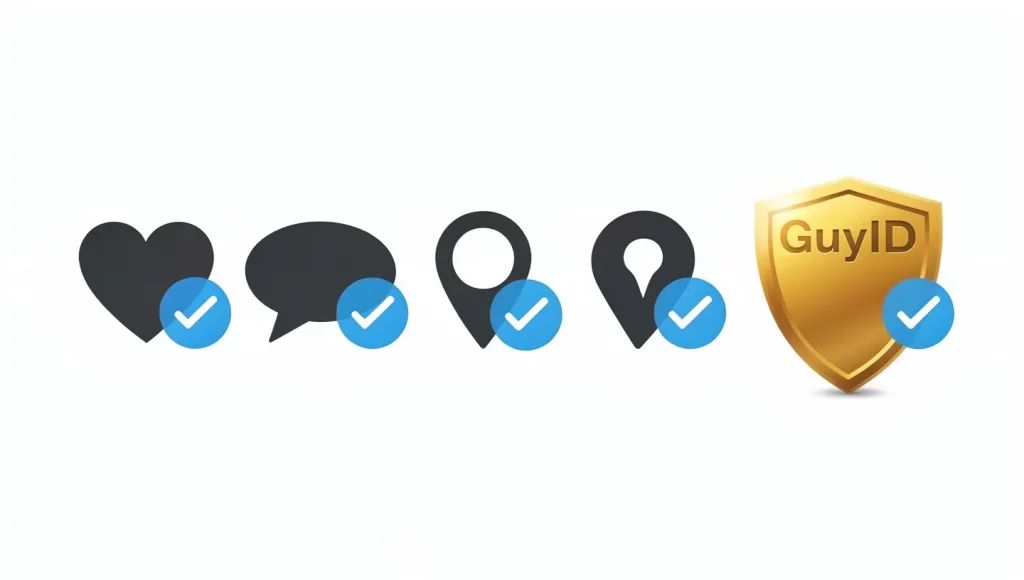
| GuyID | Government ID + Social Vouching + Trust Tiers | ✅ | ✅ | ✅ | Very High |
The Critical Gap: What Dating Profile Verification Badges Don’t Prove
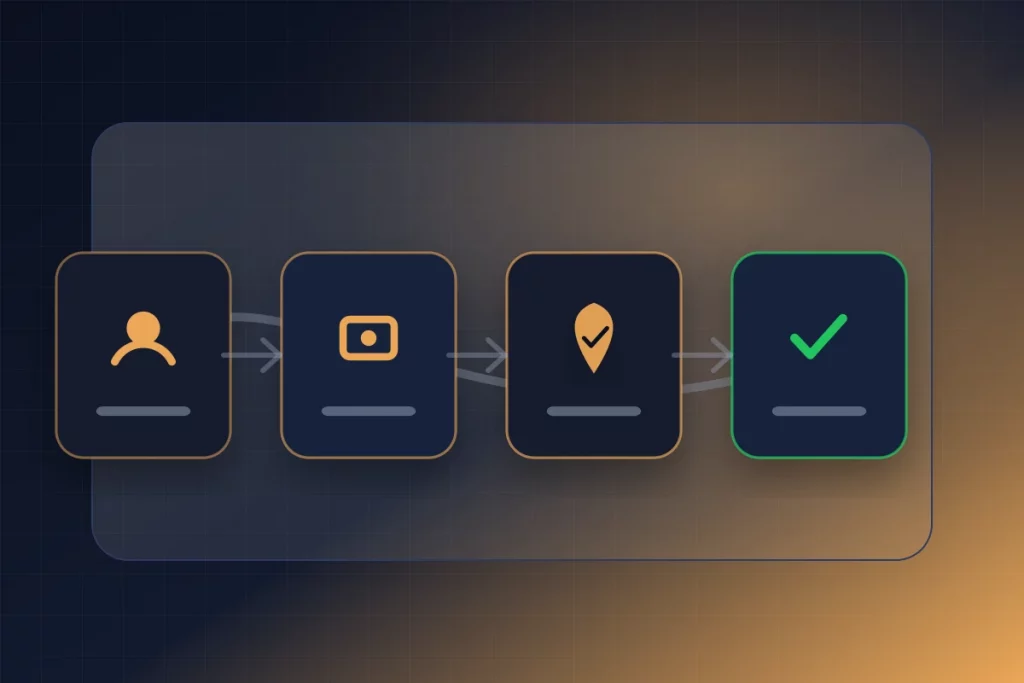
The gap between what users believe dating profile verification proves and what it actually confirms is the most dangerous misconception in online dating safety.
What Users Believe “Verified” Means
- “This person’s identity has been confirmed by the dating app”
- “This person is who they claim to be — their name, age, and career are real”
- “This person has been screened and is safe to meet”
- “This person is more trustworthy than unverified profiles”
- “The dating app has done due diligence on this person”
What “Verified” Actually Means
- “A live selfie matched this person’s uploaded profile photos”
- “Nothing else has been checked, confirmed, or validated”
- “The person’s name, age, career, relationship status, criminal history, and intentions are entirely self-reported”
- “A scammer using AI-generated photos that match a liveness check could potentially receive this same badge”
This interpretation gap is not accidental. Dating apps benefit from users interpreting “verified” broadly because it increases trust, which increases engagement, which increases revenue. The broader interpretation makes the product feel safer without requiring the platform to invest in the comprehensive dating profile verification that the interpretation implies.
⚠️
The Verification Paradox
Here’s the counterintuitive danger: verification badges may actually increase scam risk in some cases. A scammer who obtains a verification badge receives this disproportionate trust while providing no more actual safety than an unverified profile. The badge becomes a false trust signal that makes victims more vulnerable, not less. This paradox is why dating profile verification through current platform badges should be treated as one data point among many — not as proof of trustworthiness.
How Scammers Bypass Dating Profile Verification
Understanding how scammers circumvent dating profile verification explains why platform badges alone don’t provide meaningful safety. Each bypass method exploits a specific limitation of the photo-matching approach.
Method 1: AI-Generated Photos with Deepfake Liveness
A scammer generates a fictional face using AI (Midjourney, Stable Diffusion, Flux), then uses real-time deepfake face-swapping software to overlay that AI face onto their real face during the liveness check. The verification system sees a live face that matches the uploaded AI-generated photos — and approves the verification. The badge is granted to a completely fictional identity.
Method 2: Accomplice-Based Verification
The scammer uses photos of a real accomplice (a friend, a hired model, or a recruited participant) who completes the liveness check using their real face. The accomplice’s face matches the photos because the photos are genuinely theirs. After verification, the scammer takes over the account and operates it using the accomplice’s photos and the resulting badge. The accomplice may or may not know the account is being used for scams.
Method 3: Verification-First, Modification-After
Some platforms allow profile modifications after verification without re-verification. A scammer creates a legitimate account with their own real photos, completes verification, receives the badge, and then gradually replaces profile photos with AI-generated or stolen images while retaining the verification badge. The badge was earned legitimately but now represents a different visual identity.
Method 4: Exploiting Platform-Specific Weaknesses
Each platform’s specific verification implementation has unique weaknesses that organized scam operations identify and exploit systematically. These operations treat dating profile verification bypass as an operational skill, not a one-time challenge.
These bypass methods collectively explain why scammers target dating apps despite verification features. The verification catches casual catfish but fails against organized operations with technical capabilities and operational discipline.
Photo Verification vs Identity Verification: The Key Distinction
The most important concept in understanding dating profile verification is the distinction between photo verification (what dating apps provide) and identity verification (what safety actually requires). These are fundamentally different capabilities with fundamentally different security properties.
Photo Verification: “Does This Person Match These Photos?”
Photo verification answers a narrow question: does the live person attempting verification visually match the photos uploaded to this profile? It says nothing about who that person is in the real world. It’s the digital equivalent of confirming that someone looks like their passport photo — without actually checking whether the passport is genuine, belongs to them, or whether the name on it is real.
Identity Verification: “Who Is This Person?”
Identity verification answers the question that actually matters for safety: who is this person in the real world? What is their legal name? Can their identity be confirmed against government-issued documents? Do real people in their life vouch for their character? Do they have a track record of trustworthy behavior?
This is what GuyID provides — and it’s what distinguishes consent-based verification from platform badges. Government ID verification confirms legal identity through biometric matching against official documents. Social vouching confirms character through real human relationships. Trust Tiers track trustworthiness over time. Together, these layers answer “Who is this person?” — not just “Does this person match these photos?”
In 2026, with AI capable of generating convincing fake identities that pass photo verification, the question “Does this person match these photos?” has become insufficient. The photos themselves might be fake. The liveness check might be deepfaked. The only verification that remains reliable is identity verification against real-world documents and relationships that AI cannot fabricate. This is the evolution of dating profile verification from photo matching to identity confirmation — and it’s happening now.
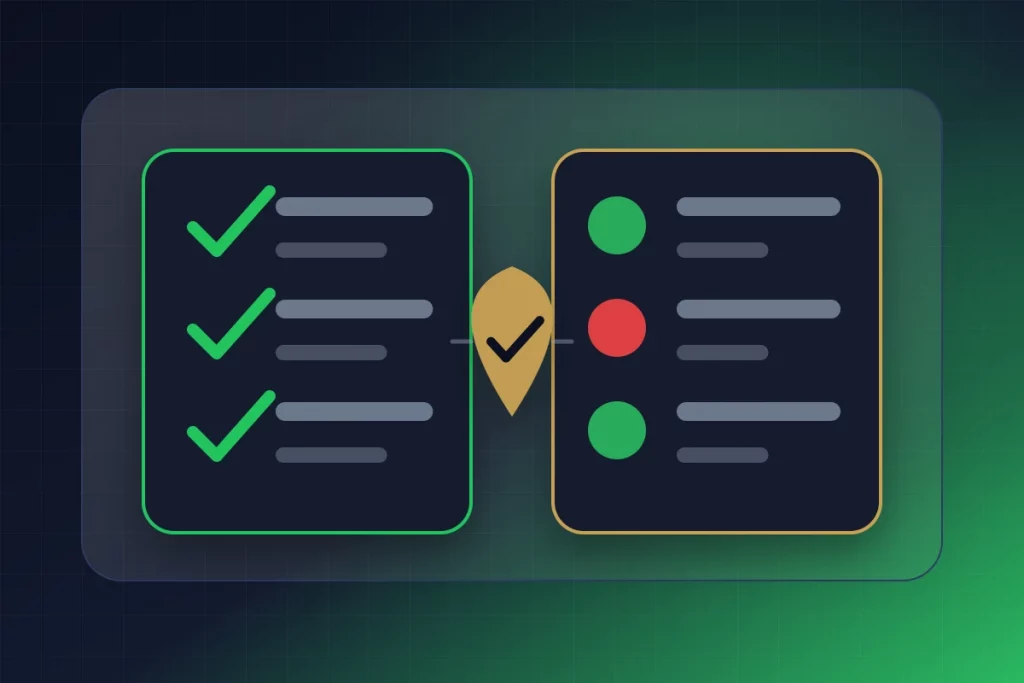
The market demand for comprehensive dating profile verification isn’t theoretical — it’s measured, overwhelming, and growing. Understanding who wants better verification, why they want it, and what behaviors it drives reveals the future of the dating industry.
The Demand Data
These numbers describe a generation that has grown up with digital fraud, identity theft, AI-generated content, and catfishing — and has concluded that trust must be verified, not assumed. For Gen Z, asking “Are you verified?” is as natural as asking “What’s your Instagram?” It’s not suspicious — it’s standard.
The Behavioral Impact
Real users make real decisions based on verification status. Verified profiles receive more right-swipes, more messages, more responses, and more dates. This behavioral data proves that dating profile verification directly translates to dating success — making it not just a safety feature but a competitive advantage for anyone who verifies.
For men who verify through GuyID — which provides far more comprehensive verification than any dating app badge — the competitive advantage is even larger.
The Three Levels of Dating Profile Verification
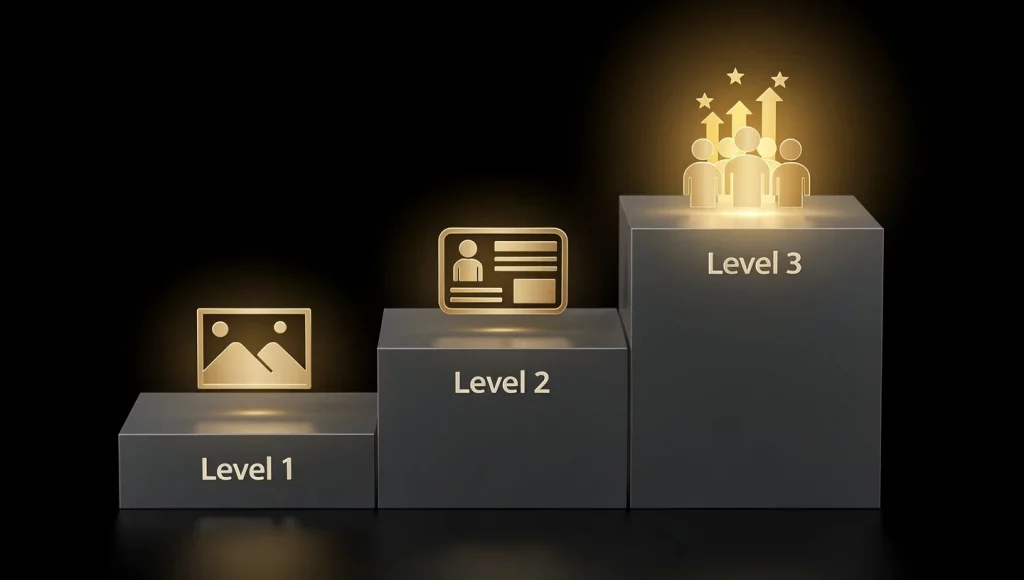
Not all dating profile verification is created equal. Categorizing verification into three levels helps you understand what each type actually provides — and make informed decisions about what level of verification to require from your matches and to pursue for yourself.
Level 1: Photo Matching (What Dating Apps Provide)
Photo matching confirms that a live selfie matches uploaded profile photos. This is the verification offered by Tinder, Bumble, Hinge, and most dating apps. It catches basic photo theft (using someone else’s Instagram photos) but does not catch AI-generated photos, deepfake-assisted liveness checks, or accomplice-based verification. Level 1 dating profile verification answers: “Does this person look like their photos?” It does not answer: “Who is this person?”
Security level: Catches casual catfish. Fails against organized scam operations. Fails against AI-powered scam techniques.
AI resistance: Low — deepfakes can pass liveness checks. AI-generated photos have no source to detect.
Level 2: Government ID Verification
Government ID verification confirms a person’s legal identity by matching biometric data against official government documents (driver’s license, passport, national ID). This confirms real name, real face, and government-verified existence. Level 2 is what airport security performs — confirming that the person presenting the document is the person pictured on it.
Security level: Confirms legal identity. Catches fake identities, AI-generated personas, and accomplice-based fraud. Does not confirm character, trustworthiness, or intentions.
AI resistance: High — AI cannot generate legitimate government identification documents with valid biometric data.
Level 3: Government ID + Social Vouching + Trust Tiers (What GuyID Provides)
Level 3 dating profile verification combines government ID confirmation (legal identity), social vouching from real people (character confirmation), and progressive Trust Tiers (sustained trustworthiness over time). This is the most comprehensive verification available for dating — and it’s what GuyID was built to provide.
Security level: Confirms legal identity, character through social relationships, and sustained trustworthiness. Defeats all known scam techniques including AI-generated identities, deepfakes, and long-con operations.
AI resistance: Very high — AI cannot fabricate government documents, produce real friends who vouch for a fictional identity, or accumulate trust history over time.
| Verification Level | What It Confirms | Scam Resistance | Who Provides It |
|---|---|---|---|
| Level 1: Photo Matching | Selfie matches profile photos | Low — catches casual catfish only | Tinder, Bumble, Hinge |
| Level 2: Government ID | Legal identity confirmed | High — catches fake identities | Some premium dating services |
| Level 3: ID + Vouching + Tiers | Identity + character + sustained trust | Very high — defeats all known techniques | GuyID |
Consent-Based Verification: The Model That Closes the Verification Gap
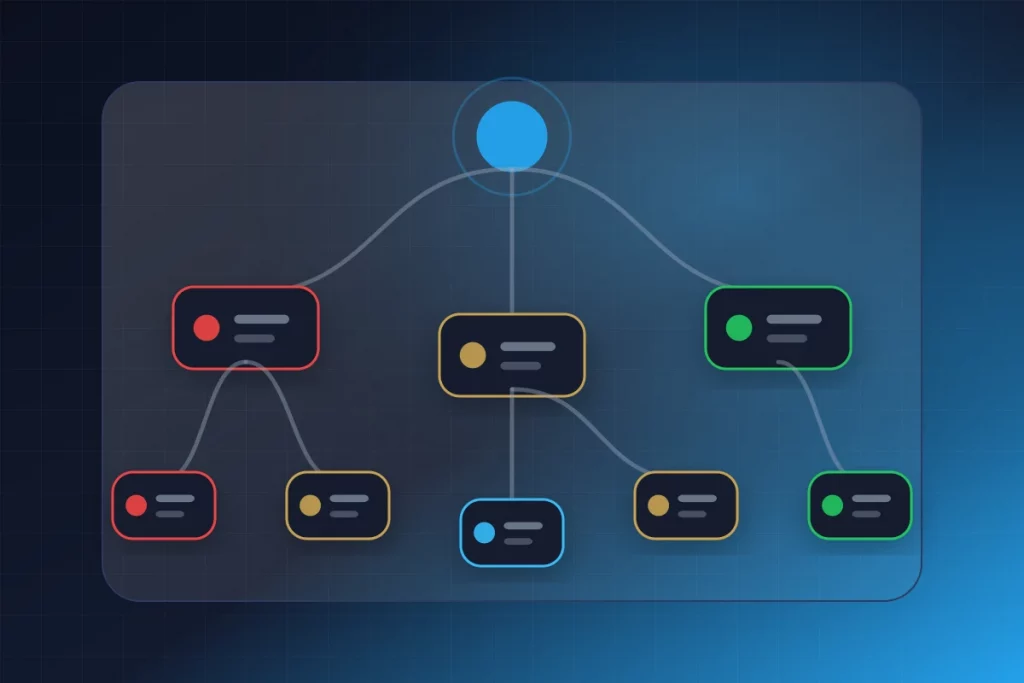
The consent-based verification model addresses every limitation of current dating profile verification while respecting user privacy and agency. Instead of waiting for dating apps to implement comprehensive verification (which their business models discourage), consent-based verification provides Level 3 verification as an external layer that works across all platforms.
How It Works in Practice
A person who wants to demonstrate comprehensive trustworthiness creates a GuyID profile and completes the verification layers: government ID verification (biometric matching against official documents), social vouching (friends and colleagues confirm identity and character), and progressive Trust Tier advancement (GHOST → STARTER → BUILDER → TRUSTED → ELITE → LEGEND).
The resulting Trust Profile is shareable via a portable Date Mode link that works on any platform. When chatting on Tinder, they can share their GuyID link. When matching on Bumble, they can include it in their bio. When messaging on WhatsApp, they can send it directly. The person receiving the link can check the verification status for free — seeing the Trust Tier, verification status, and number of social vouches without creating their own account.
This model transforms dating profile verification from a platform-locked, photo-only feature into a comprehensive, portable, user-controlled trust system. It doesn’t replace dating app verification — it layers on top of it, filling the gaps that photo matching leaves open. For a proactive dating safety approach, asking matches for their GuyID link becomes as routine as asking for their Instagram — and dramatically more informative about who they actually are.
How to Verify Someone’s Dating Profile Yourself
Regardless of whether your match has a verification badge or a GuyID Trust Profile, here’s the complete toolkit for independently verifying someone’s dating profile. A proactive dating safety approach means performing these checks before emotional investment, not after suspicion arises.
Photo Verification (DIY)
- Reverse image search every photo: Use GuyID’s free reverse image search, Google Images, TinEye, and Yandex. If any photo appears under a different name, the profile is using stolen photos.
- Check for AI-generated photo tells: Excessive perfection, background artifacts, accessory inconsistencies (mismatched earrings), hand/finger anomalies, and the characteristic “AI smooth” skin quality.
- Request a spontaneous selfie: “Send me a photo holding up three fingers with your other hand on your head.” A real person does this in 10 seconds. No AI can generate it on demand. Any delay or refusal is a red flag.
Identity Verification (DIY)
- Search their name on LinkedIn, Instagram, Facebook: A real person has years of consistent digital history. A scammer has a thin, recently created, or inconsistent presence. Cross-reference what they’ve told you against their public profiles.
- Verify career claims: If they claim a specific employer, search their name + company on LinkedIn. If they claim a professional license (doctor, lawyer, engineer), search the relevant licensing database for their state.
- Request a video call within the first week: Use the active deepfake detection techniques — full head turns, hand-over-face movements, lighting changes, environment switches.
Trust Verification (Through GuyID)
- Ask for their GuyID Trust Profile link. This single request provides the most comprehensive verification available — government ID confirmed, social vouches from real people, and a Trust Tier reflecting sustained trustworthiness.
- Use GuyID’s catfish probability detector for an objective, data-driven risk assessment based on multiple profile signals when you want a second opinion beyond your own evaluation.
- Run their bio through the dating bio red flag detector to identify suspicious language patterns associated with scam profiles.
Summary: The Complete Truth About Dating Profile Verification
Dating profile verification in 2026 exists on a spectrum from nearly meaningless to genuinely comprehensive — and knowing where any given verification falls on that spectrum is essential for your safety. At one end, platform photo-matching badges confirm only that a selfie matched uploaded photos — providing no information about real identity, character, or trustworthiness. At the other end, Level 3 verification through GuyID — government ID + social vouching + Trust Tiers — confirms legal identity, character through real relationships, and sustained trustworthiness over time.
The state of dating profile verification in 2026 is defined by a widening gap between what verification badges imply and what they actually confirm. AI-generated photos can pass photo verification. Deepfakes can pass liveness checks. Scammers with verification badges receive disproportionate trust from users who interpret “verified” far more broadly than the platform intended.
Closing this gap requires moving from Level 1 dating profile verification (photo matching) to Level 3 (identity + character + sustained trust). The dating app industry is unlikely to make this move voluntarily because comprehensive verification increases friction and reduces the growth metrics their valuations depend on. The solution is external verification through consent-based platforms like GuyID that provide Level 3 verification as a portable, user-controlled layer working across all dating platforms.
For users, the actionable takeaway is clear: treat platform verification badges as one data point, not as proof of safety. Combine platform badges with independent verification — reverse image search, social media cross-referencing, video calls with active testing, and GuyID Trust Profile checks. Use GuyID’s free safety tools on every match. Adopt the proactive dating safety framework that verifies before you invest. And if you’re a man — get verified through GuyID.
Verified by a Dating App ≠ Verified
GuyID provides the verification dating apps don’t: government ID + social vouching + Trust Tiers. Portable across every platform. 60+ free safety tools. Women check for free. Because a selfie match isn’t identity — it’s a starting point.
Get Verified on GuyID
Try Free Safety Tools
Frequently Asked Questions
What does dating profile verification actually prove?
Can scammers get verified on dating apps?
What are Trust Tiers and how do they improve verification?
How can I verify someone’s dating profile myself?
Will dating apps ever require government ID verification?
Related Reading
- The Business Case for Dating Verification: Market Failure… (2026)
- Date Bio Ideas: How to Write a Profile That Gets Matches
- Dating Profile Samples for Women: 8 Templates That Attract Quality (2026)
Evidence note
NIST Digital Identity Guidelines distinguish identity proofing, authentication, and federation as separate parts of digital identity risk management (NIST, 2025).