Free Tools
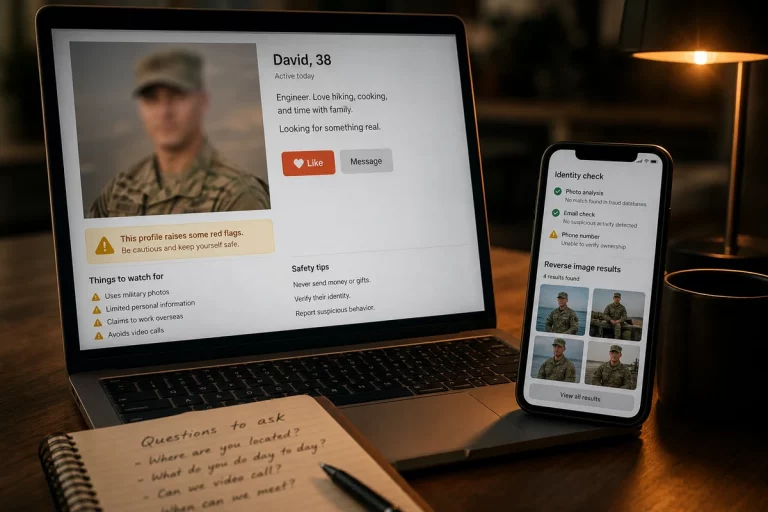
Catfish Probability Detector
Check whether a dating profile has suspicious identity or photo signals.
Dating Bio Red Flag Detector
Review a bio for scam, pressure, or trust-warning language.
Dating Safety Checklist
Use free GuyID tools before moving from chat to a real date.
Next step
Create your GuyID trust profile
Share consent-based trust signals before a date without turning the conversation into an interrogation.
The pig butchering romance scam is the fastest-growing fraud category in the world — a devastating scheme that combines romance manipulation with fake investment platforms to drain victims of their life savings. The name comes from the Chinese term “shā zhū pán” (杀猪盘), describing how scammers “fatten the pig before slaughter” by building deep emotional trust over weeks or months before introducing the financial trap. With substantial reported investment-fraud losses in investment scam losses in 2024 alone (FTC, 2026) — a figure that tripled in just three years — and the FBI reporting individual pig butchering romance scam losses of money to money million+, this has become the most financially destructive form of online fraud targeting Americans today.
Unlike traditional romance scams where the scammer asks for money directly, a pig butchering romance scam is far more sophisticated. The victim isn’t asked to “help” — they’re led to believe they’re making a brilliant financial decision alongside someone they love. With large organized networks of cybercriminals operating romance scams globally and men being frequently to encounter scam attempts weekly, understanding how this scam operates is essential for every online dater and social media user.
NavigateTable of Contents30 sections
⚡ Key Takeaways
Pig butchering combines romance + fake investments
Scammers build a romantic connection first, then introduce a “life-changing” cryptocurrency investment opportunity on a platform they control. Every number on the screen is fabricated.
substantial reported investment-fraud losses lost in 2024 — tripled in 3 years
The FTC reports investment fraud losses have exploded. A significant and growing portion starts as romance scams on dating apps, social media, and even LinkedIn.
The fake platform shows fake profits — that’s the trap
Victims see their “investment” growing on a professional-looking dashboard with real-time charts. The numbers are completely fabricated. When they try to withdraw, the money is already gone.
Men are disproportionately targeted for large losses
Pig butchering specifically targets financially stable adults.
Verify the person before trusting the opportunity
If someone you’ve never met in person recommends an investment platform, it’s a scam — regardless of how strong the emotional connection feels. Use GuyID’s free verification tools to check their identity first.
What Is a Pig Butchering Romance Scam?
A pig butchering romance scam is a long-con fraud that unfolds in two carefully orchestrated phases. In the first phase — the “fattening” — the scammer builds a romantic relationship or close friendship through weeks or months of daily communication, love-bombing, emotional vulnerability, and manufactured intimacy. In the second phase — the “slaughter” — the scammer introduces a cryptocurrency or investment platform and convinces the victim to invest progressively larger amounts of money into what turns out to be a completely fake system.
What makes the pig butchering romance scam fundamentally different from traditional romance scams is the financial mechanism. In a traditional romance scam, the scammer fabricates an emergency (“I need money for surgery” or “I’m stuck overseas”) and asks the victim to send money as a favor. In pig butchering, the victim isn’t doing anyone a favor — they believe they’re investing in their own financial future. The scammer positions the investment as something they’re doing together, sharing screenshots of their own “profits” and framing it as building wealth as a couple.
This distinction matters enormously for two reasons. First, it means victims invest much larger amounts — the average traditional romance scam loss is substantial losses, while pig butchering losses routinely reach life-changing losses because the victim believes they’re growing their own wealth. Second, it means victims take longer to realize they’ve been scammed — the fake platform shows their “balance” growing, creating the illusion that everything is working perfectly.
The term originated in China around 2018-2019 and the scam has since gone global. The FBI and FTC have identified the pig butchering romance scam as the single largest category of consumer fraud losses. Many operations are run by organized criminal syndicates in Southeast Asia — particularly in Myanmar, Cambodia, and Laos — with some scam compounds using trafficked workers who are themselves victims of forced labor and exploitation.
How the Pig Butchering Romance Scam Works: The Complete 6-Step Playbook
Understanding the step-by-step mechanics of a pig butchering romance scam makes it recognizable before any financial damage occurs. The process is methodical, psychologically sophisticated, and follows a consistent pattern across thousands of documented cases worldwide. Here is the complete playbook that scammers follow.
Step 1: Initial Contact and Profile Setup
The scammer initiates contact through a dating app (Tinder, Bumble, Hinge), social media platform (Instagram, Facebook, LinkedIn), or even a “wrong number” text message or WhatsApp message. They present as an attractive, successful professional — typically claiming to work in finance, tech, cryptocurrency trading, international business, or real estate. Their profile photos are polished (often AI-generated or stolen from real people), and their bio suggests wealth and sophistication without being ostentatious.
On LinkedIn specifically, the pig butchering romance scam begins as a professional networking conversation that gradually becomes personal. The scammer might connect over shared industry interests before slowly steering conversations toward personal topics. This approach is particularly effective because LinkedIn users have their guard down for romantic manipulation — they’re expecting professional outreach, not a scam.
Step 2: Romance Building (2-8 Weeks)
Daily conversations establish deep trust and emotional connection. The scammer shares personal “stories,” asks about your life and dreams, and creates the feeling of a genuine, deepening relationship. They employ every love-bombing technique — constant messaging, good morning and goodnight texts, future planning, and expressions of unique connection. They never mention money or investments during this phase. Their only objective is building an emotional foundation strong enough to survive the financial request that comes later.
This is the phase where the “fattening” happens. With AI bots capable of sending 60+ messages in 12 hours, the daily contact volume creates powerful emotional attachment. The victim begins to integrate this person into their daily routine, their emotional support system, and their vision of the future.
Step 3: The Casual Investment Introduction
Once emotional dependency is established, the scammer casually mentions they’ve been doing well with cryptocurrency trading or a particular investment platform. They don’t pitch it — they share it as personal news, the way you’d tell a partner about a good day at work. They show screenshots of impressive gains on their own “portfolio.” They frame it as something exciting happening in their life that they want to share with someone they care about.
The key psychological element of this step in the pig butchering romance scam is that the victim doesn’t feel sold to. The investment appears to be the scammer’s personal activity, not a recommendation. Over several conversations, the scammer mentions more gains, shares more screenshots, and gradually creates curiosity and FOMO in the victim. Eventually, the victim asks about it — or the scammer gently suggests they try it together.
Step 4: The Small First Investment
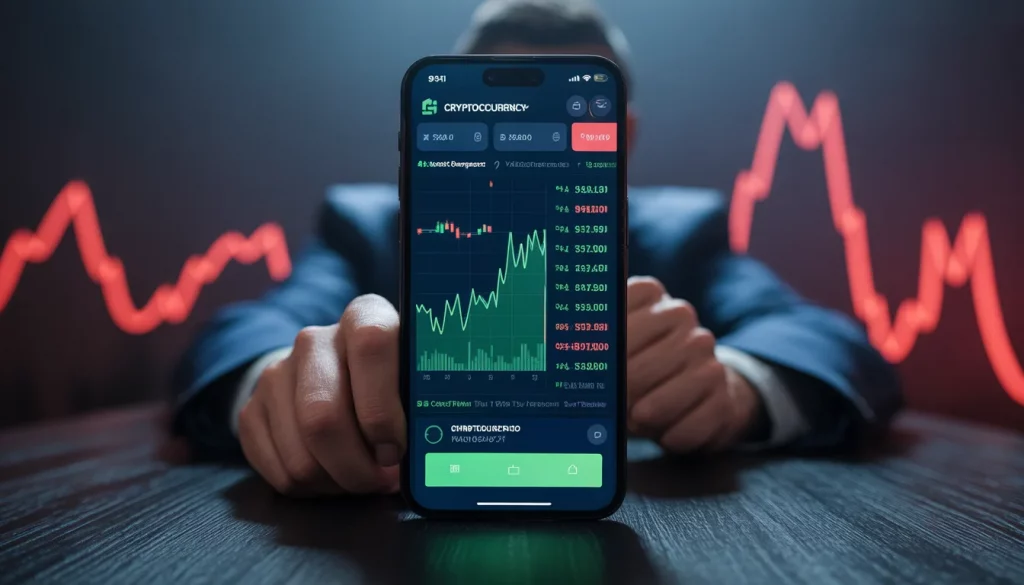
The victim creates an account on a professional-looking trading platform. The website or app appears legitimate — real-time price charts, trading interfaces, customer support chat, account verification processes, and professional design. It is entirely fake, built and operated by the scam network. The victim deposits a small amount — typically a small initial amount — and the platform immediately shows gains.
Here is the critical trust-building mechanism: the victim can often withdraw this initial profit. They deposit money the platform shows it growing to money and when they withdraw money as a test, the money actually arrives in their bank account. This proves the platform “works” and eliminates the victim’s remaining skepticism. What the victim doesn’t realize is that the scam network is spending money of real money to unlock tens or hundreds of thousands in future deposits.
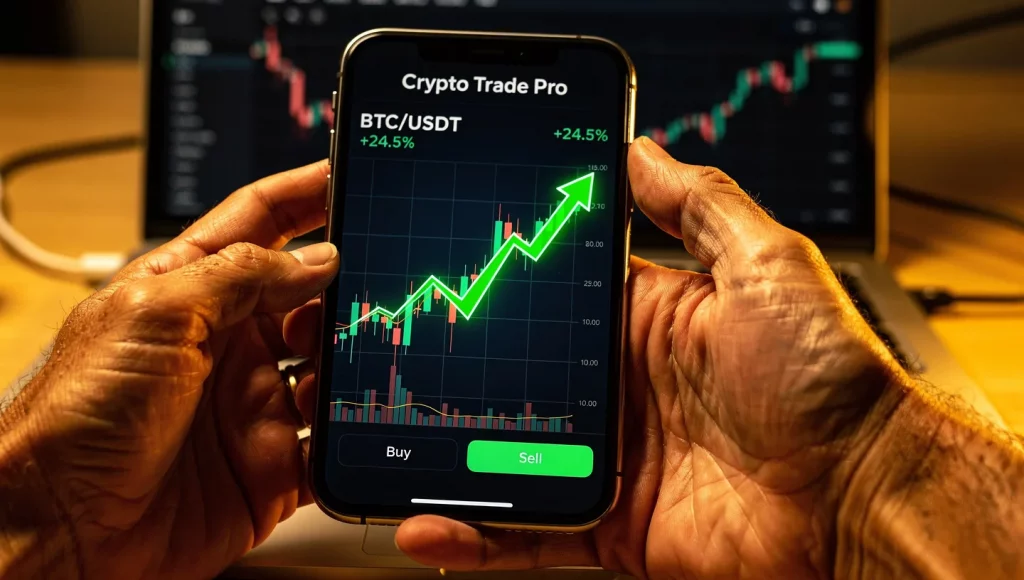
Step 5: Escalation to Life-Changing Amounts
Encouraged by proven “profits,” the victim invests larger amounts. money. money. money. money. Some victims liquidate retirement accounts, take out home equity loans, or borrow from family.
Throughout this escalation phase of the pig butchering romance scam, the scammer continues the romantic relationship, talking about what they’ll do with the money together — buying a house, traveling the world, starting a business. The investment profits and the romantic future become intertwined in the victim’s mind, making it psychologically impossible to question one without threatening the other.
Step 6: The Slaughter — When Withdrawal Fails
When the victim tries to make a significant withdrawal — often after their “portfolio” shows money in gains — the trap closes. If the victim pays the “tax,” a new requirement appears: “verification fees,” “insurance deposits,” “anti-money-laundering compliance charges,” or “regulatory holds.” Each fee is designed to extract additional money from the victim.
Victims who have already invested money and see a money balance are psychologically primed to pay a money “tax” to release the full amount. Then a money “verification fee.” Then a money “insurance deposit.” The sunk cost fallacy — having already invested so much — makes each additional payment feel rational compared to losing everything. Some victims pay these escalating fees multiple times before finally realizing that no withdrawal will ever come. By then, the total loss can exceed money.
⚠️
Critical Warning
The fake investment platforms used in a pig butchering romance scam look completely professional — with real-time price charts, trading interfaces, customer support, and account verification. They are 100% fabricated. The numbers you see are not real. No actual trading occurs. Your money goes directly to the criminal organization from the moment you deposit it. The “customer support” asking for fees is the same scam operation.
Warning Signs of a Pig Butchering Romance Scam
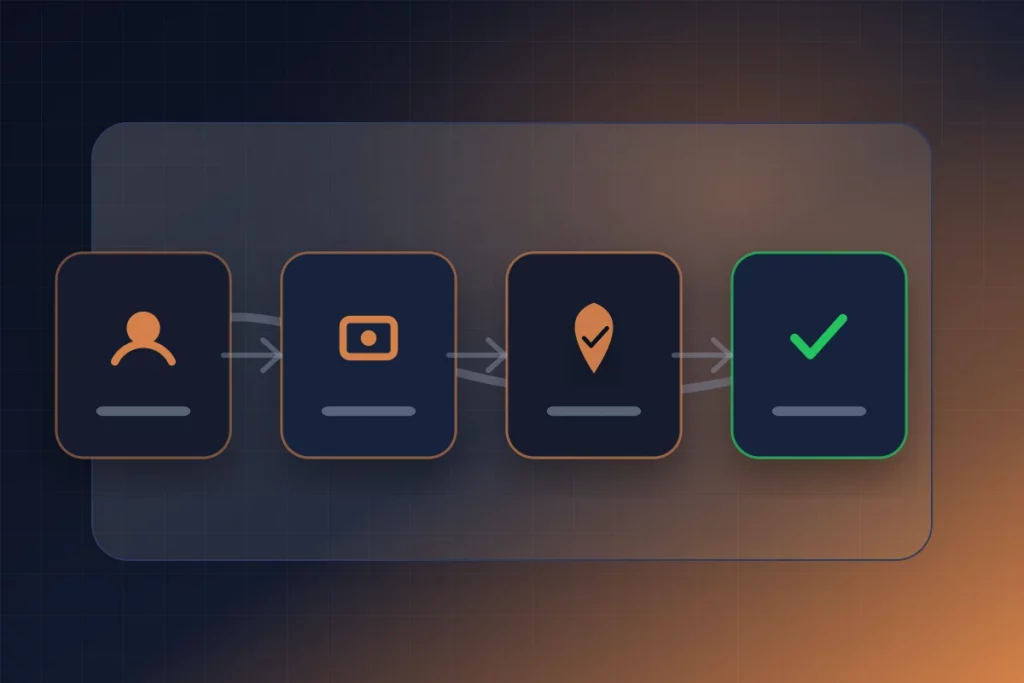
Recognizing the pig butchering romance scam warning signs can save you from catastrophic financial loss. These red flags often appear subtle because the scam is engineered to feel like a natural progression of both a romantic relationship and a smart financial decision. But they follow consistent patterns that become obvious once you know what to look for.
Relationship Red Flags
- Unsolicited contact from a successful, attractive stranger: They reach out first on a dating app, LinkedIn, Instagram, or via “wrong number” text. Real wealthy professionals don’t cold-message strangers to discuss investment opportunities.
- Rapid emotional escalation before any meeting: Deep emotional connection, future planning, and declarations of love — all before a single video call or in-person meeting. This is the “fattening” phase that precedes the financial exploitation.
- They claim expertise in finance or crypto: Their profile and conversations emphasize financial success, trading knowledge, or cryptocurrency expertise. This establishes them as a credible guide for the investment that comes later.
- Reluctance to video call or meet in person: Every suggestion to meet is deflected with scheduling conflicts, travel, or work obligations. They maintain the relationship exclusively through messaging because the person in the photos may not be the person typing.
Investment Red Flags
No legitimate investment consistently delivers these returns, and no genuine romantic partner shares trading screenshots as conversation.
- They recommend a specific platform: The platform has a professional website but isn’t listed with the SEC, FINRA, or any financial regulator. It’s not available through normal App Store or Google Play search.
- Small early profits that are withdrawable: The ability to withdraw initial profits is bait — it proves the platform “works” so you invest larger amounts with confidence. This is the signature trust-building mechanism of every pig butchering romance scam.
- Pressure to invest more, faster: “This opportunity won’t last,” “The market window is closing,” “We should maximize while we can.” Legitimate investments don’t require urgency — only scams need you to act before thinking.
- Cryptocurrency-only deposits: The platform only accepts crypto because these transfers are essentially irreversible. Legitimate investment platforms accept bank transfers, credit cards, and regulated payment methods.
- Fees required for withdrawal: Legitimate platforms deduct fees from your balance. They never require additional deposits to release existing funds. Any platform demanding “tax payments,” “verification fees,” or “insurance deposits” before withdrawal is a scam — full stop.
| What the Scammer Shows You | The Reality |
|---|---|
| A professional trading platform with real-time charts | A fake website built by the scam network — no real trading occurs |
| Successful small withdrawal as “proof it works” | The scam network spending money real dollars to unlock money in future deposits |
| Their own portfolio showing massive gains | Screenshots from the same fake platform — their “portfolio” doesn’t exist either |
| “Tax payment” required before large withdrawal | Additional theft disguised as compliance — no amount of fees will release your funds |
| Customer support explaining the withdrawal process | The same criminal organization running the platform, extracting more money |

Why Smart, Educated People Lose Massive Amounts to Pig Butchering
The pig butchering romance scam produces larger losses than any other fraud type because of how it simultaneously exploits two distinct psychological vulnerabilities: romantic attachment and investment FOMO (fear of missing out). Understanding why intelligent, financially literate people fall victim is essential for protecting yourself — because the scam specifically targets people who consider themselves too smart to be scammed.
The Dual-Lever Manipulation
The romance component creates emotional trust — you believe this person genuinely cares about your financial wellbeing and your shared future. The investment component creates excitement reinforced by “evidence” — the platform shows your money growing in real time with professional charts and dashboards. When both levers pull simultaneously, victims make financial decisions they would never make in either context alone.
They wouldn’t send money to a romantic partner who asked for it — that would trigger scam awareness. They wouldn’t invest money in an unknown platform a stranger recommended — that would trigger financial skepticism. But they will invest money in a platform recommended by someone they love who is investing alongside them, especially when they can see it “working” and have already successfully withdrawn smaller profits.
Who Gets Targeted
Contrary to the stereotype of vulnerable elderly victims, the pig butchering romance scam disproportionately targets educated, financially stable adults aged 30-60. These are people with savings to invest, financial literacy enough to understand (and be excited by) trading concepts, and careers that make them attractive to romance-based approaches on LinkedIn and professional networks.
The losses above money skew heavily male. This aligns with the pig butchering romance scam model — men are more frequently targeted with the investment angle because scammers have learned that the combination of romantic flattery and financial opportunity is particularly effective with male victims who see themselves as financially sophisticated.
The AARP reports that many Americans aged 50+ have made a romantic connection online and been asked for money or cryptocurrency — confirming that older adults are also heavily targeted, often through Facebook and other social media platforms rather than dating apps.
“The cruelest aspect of a pig butchering romance scam is that victims feel doubly betrayed — they’ve lost both a romantic relationship they believed was real and a financial future they watched themselves build. The grief is compounded because the victim made active financial decisions they believed were smart, not just emotional ones.”
Pig Butchering Romance Scam Patterns by Platform
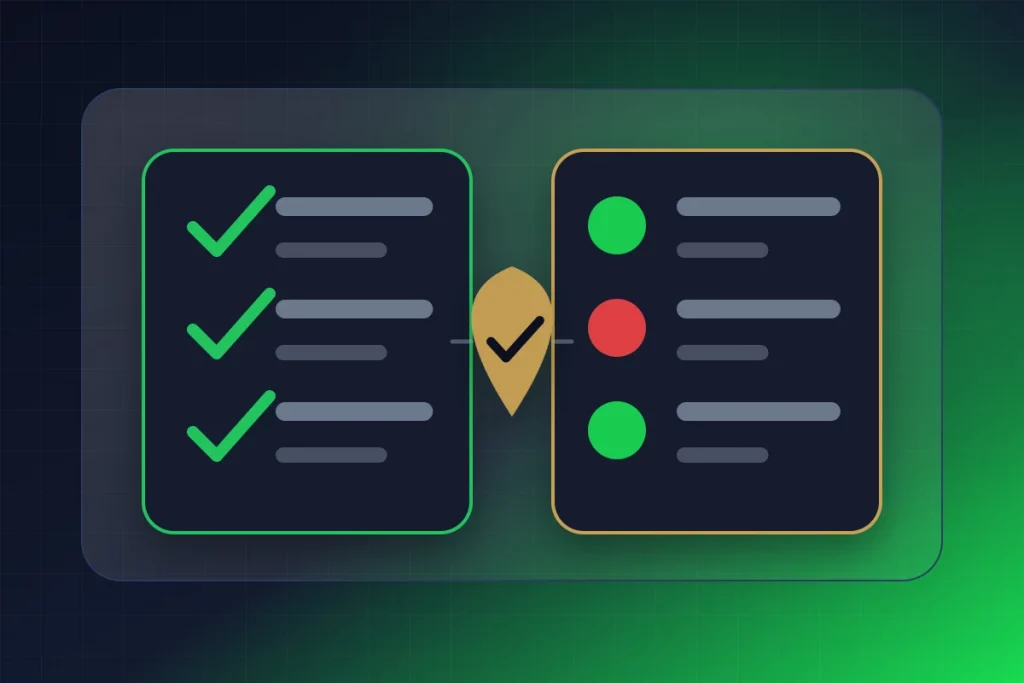
The pig butchering romance scam operates differently depending on where the initial contact occurs. Understanding the platform-specific patterns helps you recognize the approach regardless of where you encounter it.
Dating Apps (Tinder, Bumble, Hinge)
On dating apps, the scammer matches and builds a traditional romantic connection first. The investment is introduced 3-6 weeks into the relationship, once strong emotional attachment is established. The scammer’s profile typically suggests financial success without being explicit — photos in upscale restaurants, travel destinations, or business settings. The transition to investment feels natural because the relationship has already progressed to discussing future plans, finances, and life goals together.
LinkedIn-based pig butchering is growing rapidly because professional context lends credibility. The scammer connects as a finance professional, crypto advisor, or international business executive. Conversations begin professionally but gradually become personal. The investment recommendation carries extra weight because it comes from someone positioned as a financial expert. Victims on LinkedIn often report higher losses because the professional framing makes the investment seem more legitimate.
Social Media (Instagram, Facebook)
Instagram and Facebook approaches often begin with unsolicited DMs complimenting photos or expressing interest in the victim’s life. On Facebook, scammers target people whose relationship status is “single,” “divorced,” or “widowed,” and whose profiles indicate financial stability. Instagram scammers present glamorous lifestyles — travel, luxury, crypto trading screenshots — that establish the credibility needed for the investment pitch.
“Wrong Number” Text Messages
One of the most common pig butchering romance scam entry points is a “wrong number” text or WhatsApp message: “Hi Michelle, are we still on for dinner?” When the recipient replies “wrong number,” the scammer apologizes and initiates casual conversation. “Oh sorry! Well since we’re here, you seem nice. I’m Sarah, I work in finance…” This approach casts the widest possible net because it doesn’t require the victim to be on a dating app.
How to Protect Yourself from a Pig Butchering Romance Scam
Protecting yourself from a pig butchering romance scam requires both relationship verification and financial skepticism working in tandem. The romance is the delivery mechanism; the investment is the weapon. You need defenses against both.
Verify the Person First
- Run a reverse image search on every photo using GuyID’s free reverse image search tool, Google Images, TinEye, and Yandex. If their photos appear under different names anywhere online, the profile is fake.
- Insist on video calls before any emotional investment. A live video confirms the person matches their photos and exists as a real human. Anyone who refuses video calls after multiple requests is hiding their identity.
- Use GuyID’s catfish probability detector to get an objective risk assessment based on multiple profile signals. When your emotions are involved, data-driven tools catch what your feelings miss.
- Ask for a verified trust profile. GuyID allows people to verify their identity through government ID and social vouching. A person who genuinely cares about you will understand why you want to verify them before investing time, emotions, or money.
Protect Your Finances
- Never invest on a platform recommended by someone you met online. Following this rule removes one of the scam’s primary paths to your money and sharply reduces your exposure. Legitimate investment advisors are licensed professionals regulated by FINRA and the SEC — not romantic interests you met on Tinder or LinkedIn.
- Verify any investment platform independently. Check if it’s registered with the SEC, FINRA, or equivalent regulatory body in your country. Search for reviews on independent financial forums (not reviews hosted on the platform’s own site). If you can’t find it on the official App Store or Google Play through a normal search, it’s likely fake.
Real markets are volatile — some weeks up, some weeks down. A platform showing only gains is fabricating numbers. - Never pay “fees” to withdraw your own money. This is the signature extraction technique of every pig butchering romance scam. Legitimate platforms deduct fees from your balance. They never require additional deposits to release existing funds.
- Consult a trusted financial advisor. Before making any investment over money based on anyone’s recommendation, discuss it with a licensed financial professional who has zero connection to the person or platform being recommended.
- Talk to someone you trust. Scammers isolate victims from their support networks. If you’re considering a large investment recommended by an online romantic interest, describe the situation to a trusted friend, family member, or financial advisor before sending any money. An outside perspective often reveals what emotional involvement obscures.
What to Do If You’ve Been Targeted by a Pig Butchering Scam
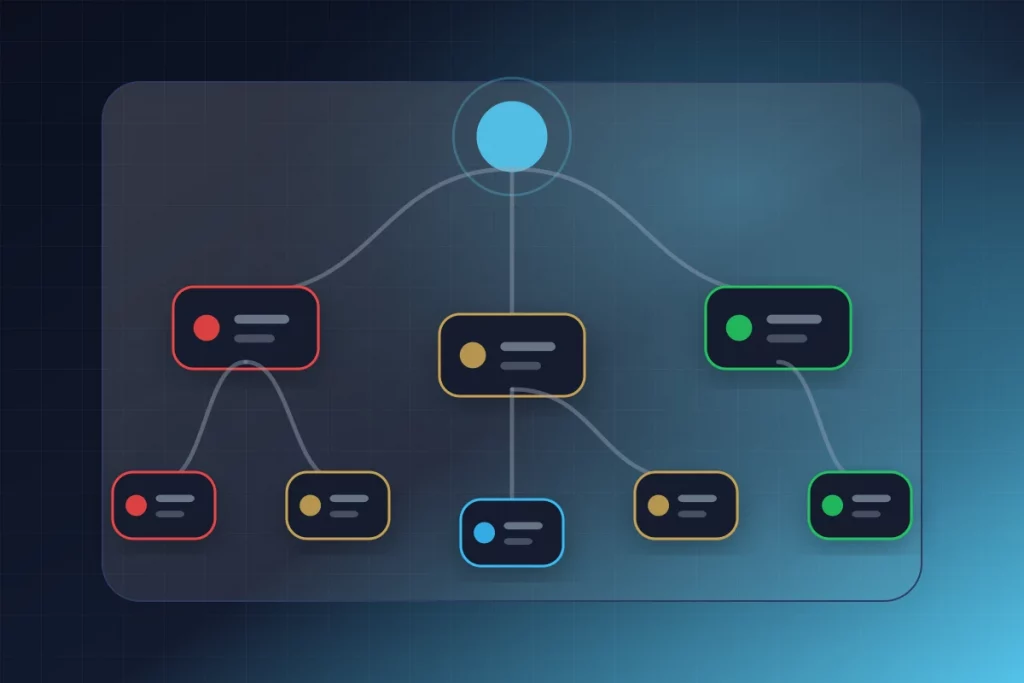
If you recognize these patterns in a current relationship, or if you’ve already lost money to a pig butchering romance scam, take these steps immediately. Every hour matters for potential financial recovery, and every report helps law enforcement shut down the criminal networks behind these operations.
Immediate Financial Steps
- Stop all communication and deposits immediately. Do not send any more money, even if the platform demands “fees” to release your funds. Those fees are additional theft — no payment will result in withdrawal.
- Contact your bank or credit union. If any funds were sent via wire transfer, contact your bank within 24 hours to attempt a recall. International wire recalls have a narrow window but are sometimes successful when reported quickly.
- Contact your cryptocurrency exchange. Report the receiving wallet addresses to Coinbase, Binance, Kraken, or whichever exchange you used. Some exchanges can freeze associated accounts and have increasingly sophisticated fraud detection that cooperates with law enforcement.
- Document everything. Screenshot all conversations with the scammer, the investment platform interface (including your balance, transaction history, and any “fee” demands), all wallet addresses, all transaction receipts, and the scammer’s profile information across every platform.
Reporting Steps
- Report to the FBI’s IC3 at ic3.gov. Pig butchering operations are the FBI’s top priority in cybercrime. Your report contributes to pattern identification that leads to international law enforcement operations against scam compounds.
- Report to the FTC at reportfraud.ftc.gov. FTC data informs national fraud statistics, shapes policy, and helps allocate federal resources against fraud networks.
- Report to the dating platform or social media site where the scammer contacted you. Include screenshots and all identifying information. This helps the platform detect and remove the scammer’s profile before they target additional victims.
- File a local police report. While local police may not have jurisdiction over international scam operations, the official report creates documentation that may be needed for insurance claims, tax deductions (fraud losses may be deductible), or future legal proceedings.
Recovery and Healing
- Seek professional support. A pig butchering romance scam causes dual trauma — financial devastation and romantic betrayal simultaneously. A therapist experienced in fraud trauma can help process both dimensions. The AARP Fraud Helpline (877-908-3360) provides free, confidential support specifically for scam victims.
- Avoid “recovery” scams. After being victimized, you may be contacted by companies or individuals promising to recover your lost cryptocurrency or investments — for an upfront fee. The vast majority of these are secondary scams specifically targeting pig butchering victims. Legitimate law enforcement recovery efforts do not require victims to pay fees.
- Review the romance scam statistics for 2026 to understand you’re not alone. Millions of Americans are targeted annually, and the sophistication of these operations means even cautious, financially literate people are deceived.
- Protect yourself going forward. Use GuyID’s free safety tools to verify future matches before emotional investment. Make video calls, identity verification, and independent financial research non-negotiable parts of your dating and investment process.
Summary: How to Recognize a Pig Butchering Romance Scam
A pig butchering romance scam follows a predictable pattern that becomes unmistakable once you understand the playbook. It begins with unsolicited contact from an attractive, financially successful stranger on a dating app, social media, or through a “wrong number” message. The connection feels intense and genuine — daily messaging, emotional depth, future planning — because the scammer invests weeks perfecting the illusion before any mention of money.
The transition from romance to investment is the defining moment of a pig butchering romance scam. When someone you’ve only known through messages begins sharing screenshots of trading profits and suggesting you invest in a platform together, you’re in a pig butchering operation. The platform they recommend will look professional, show impressive gains, and even let you withdraw small profits as proof — all engineered to build confidence for larger deposits.
The losses in a pig butchering romance scam escalate because each step feels rational in isolation. A money initial investment that grows to money seems like proof the platform works. Investing money more when you’ve already seen returns seems like smart financial behavior. Even paying money in “withdrawal fees” seems reasonable when you believe money is waiting to be released. It’s only when viewed as a complete pattern that the trap becomes obvious — which is why awareness before you’re emotionally invested is your only reliable defense.
Protecting yourself from a pig butchering romance scam requires two parallel practices: verifying the person and verifying the investment. Use GuyID’s free verification tools to check identity signals before emotional investment — reverse image search, catfish detection, and verified trust profiles can expose inconsistencies before a fake identity builds emotional leverage. And never invest money on any platform recommended by someone you haven’t met in person, verified independently through government ID, and confirmed through licensed financial advisory channels.
With substantial reported investment-fraud losses lost to investment scams in 2024 and the pig butchering romance scam model expanding globally, this knowledge isn’t academic — it’s financial self-defense. Share this guide with anyone who dates online, uses social media, or receives messages from strangers. The person you warn today could avoid losing their life savings tomorrow.
Frequently Asked Questions
What is a pig butchering scam in simple terms?
How much money do pig butchering victims typically lose?
Can you get money back from a pig butchering romance scam?
How do I know if an investment platform is legitimate?
Who is most commonly targeted by pig butchering scams?
What’s the difference between a pig butchering scam and a regular romance scam?
Is pig butchering only done through dating apps?
What are the warning signs that an online relationship is leading to pig butchering?
Evidence Note
The FTC describes romance scams that move off-platform and introduce cryptocurrency or stock-market investments. Independently verify any investment professional or platform before transferring money.