
Reader Briefing
Reader Briefing
Start here if you need a practical read on is hinge safe? the complete safety assessment: who should use verification, what signals to check, and what to do before moving from online interest to an in-person plan.
Who this is for
- People meeting someone from a dating app or social platform.
- Readers preparing for a first in-person date.
- Anyone checking identity, profile consistency, and trust signals.
- People trying to avoid romance scams, fake profiles, or pressure tactics.
You’ll learn
- How to evaluate identity signals without treating any single check as certainty.
- Which trust signals matter and how to weigh them together.
- How to spot inconsistencies, pressure, or behavior patterns that deserve caution.
- How to move from online conversation to a safer first meeting.
- Where GuyID tools fit into a quick pre-date screening workflow.
- How to compare options using practical safety and trust criteria.
Bottom line
Verification reduces uncertainty; it does not guarantee future behavior. Use a layered approach: confirm identity signals, compare profile consistency, ask for a short video call, keep early plans public, and slow down when someone pressures you to skip normal safety steps.
Key takeaways
- Identity verification improves confidence, not certainty.
- Patterns matter more than isolated incidents.
- Verify before meeting privately or sharing sensitive details.
- A short video call can reveal many inconsistencies.
- Pressure to skip reasonable safety steps is useful information.
Free Tools
Catfish Probability Detector
Check whether a dating profile has suspicious identity or photo signals.
Dating Bio Red Flag Detector
Review a bio for scam, pressure, or trust-warning language.
Dating Safety Checklist
Use free GuyID tools before moving from chat to a real date.
Next step
Create your GuyID trust profile
Share consent-based trust signals before a date without turning the conversation into an interrogation.
Is Hinge safe? Hinge markets itself as the dating app “designed to be deleted” — built for real relationships, not endless swiping. That positioning attracts users who are more emotionally invested, more willing to share personal information, and more likely to build deep connections. It also makes Hinge uniquely dangerous when things go wrong. Understanding is Hinge safe requires examining both sides of this equation: the features that make it one of the best dating platforms and the vulnerabilities those same features create.
This guide provides the complete safety assessment of Hinge in 2026 — what protection it offers, where its design creates unique risks, how it compares to Tinder and Bumble on safety, which scams specifically target Hinge users, and the practical steps that make Hinge genuinely safe rather than just relatively safe.
NavigateTable of Contents27 sections
⚡ Key Takeaways
Hinge has the strongest verification among major apps
Hinge’s video selfie verification provides the most robust photo-matching confirmation available. For photo matching, Hinge leads.
“Designed to be deleted” creates higher-stakes scam risk
Hinge’s relationship-focused user base invests more emotional energy per match than Tinder or Bumble users. This deeper investment is exactly what long-con scams — particularly pig butchering — exploit for higher-value financial extraction.
Prompt-based profiles reveal more but also expose more
Hinge’s prompts encourage sharing values, humor, goals, and vulnerabilities — creating genuine connection when both parties are honest. When one party is a scammer, the prompts provide a roadmap for precisely targeted manipulation.
Verification is strong for photos, absent for identity
Like every dating app, Hinge verifies photos but not identity. Name, age, career (prominently displayed), education, and character remain self-reported. Verified doesn’t mean identity-confirmed.
Hinge + GuyID = the safest dating experience available
Hinge’s best-in-class photo verification + GuyID’s identity verification (government ID + social vouching + Trust Tiers) = comprehensive protection that no single platform provides alone.
Is Hinge Safe? The Honest Assessment
The direct answer to is Hinge safe: Hinge provides the strongest photo verification among major dating apps and a design philosophy that attracts more relationship-serious users. These are real advantages. But those same advantages — deeper engagement, more personal sharing, verified profiles that receive triple the dating outcomes — create a higher-stakes environment where the consequences of encountering a scammer are potentially greater than on casual platforms.
But like every dating app, Hinge verifies photos, not identity. The career and education prominently displayed on every Hinge profile — “Works at Goldman Sachs,” “Studied at Stanford” — are entirely self-reported and give false confidence that the platform has validated biographical claims it hasn’t touched.
The answer to is Hinge safe depends entirely on whether you supplement Hinge’s genuine strengths with the verification layers it lacks. Hinge alone: safer than average, not safe enough. Hinge plus proactive verification: among the safest dating experiences possible in 2026.
What Makes Hinge Safer Than Other Dating Apps
Evaluating is Hinge safe fairly means acknowledging the genuine safety advantages Hinge provides — some structural, some behavioral, some unique to the platform.
Strongest Photo Verification (Video Selfie)
Hinge’s video selfie verification captures multiple frames of facial data, natural movement, and temporal consistency — providing stronger liveness confirmation than Tinder’s static pose or Bumble’s gesture selfie. The video approach catches crude manipulation attempts that single-frame verification might miss. Among camera-based dating app verification, Hinge is the gold standard.
The massive behavioral impact — verified users going on three times as many dates — creates the strongest incentive to verify among any platform. This means a higher percentage of Hinge’s user base is verified, which in turn means a lower percentage of profiles are completely unvetted. The verification saturation effect makes the overall ecosystem marginally safer because more profiles have at least passed photo matching.
Engagement-Based Matching Reduces Spam
Hinge doesn’t use the binary swipe model. Users send likes to specific photos or prompts, often with comments. This engagement-based matching creates more friction per interaction — you can’t just mass-swipe right and wait. For genuine users, this produces better matches (the person liked something specific about you). For scam operations, this increases the operational cost per target (each engagement requires crafting a personalized like/comment rather than a mass-swipe).
Prompt-Based Profiles Provide Detection Signals
Hinge’s question-and-answer prompts reveal personality, values, humor, and life details that generic bio fields don’t capture. For safety purposes, prompts provide additional signals for detecting fake profiles: genuine users answer with specific, personality-revealing responses while fake profiles answer generically. “A life goal of mine: qualifying for Boston” is specific and human. “A life goal of mine: to be happy” is generic and potentially scripted. The prompts create detection surface area that simpler profile formats don’t offer.
“Designed to Be Deleted” Self-Selection
Hinge’s brand positioning attracts users seeking committed relationships — creating a user base that’s inherently more relationship-focused than Tinder’s casual-leaning audience. This self-selection means the average Hinge user has more serious intentions, which creates a generally higher-quality interaction environment. The “designed to be deleted” ethos also means Hinge has a business incentive to help users actually find relationships (proving the product works) rather than keeping them swiping indefinitely.
Why Hinge’s Strengths Are Also Its Vulnerabilities
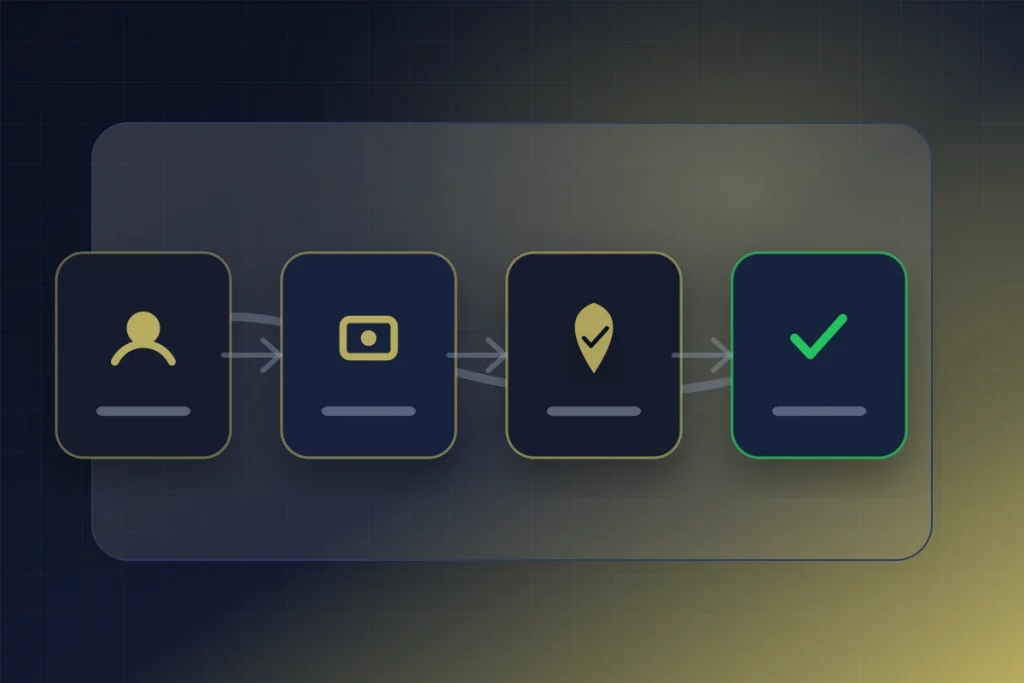
The most nuanced dimension of is Hinge safe is how the platform’s best features simultaneously create its most significant vulnerabilities. Understanding this dual nature is essential for using Hinge safely.
Deep Engagement = Deep Exploitation Potential
Hinge’s design encourages substantive, personal conversations. Users share values, vulnerabilities, future goals, and emotional depths that Tinder’s “hey” → “hey back” model never reaches. When both parties are genuine, this produces the meaningful connections Hinge promises. When one party is a romance scammer, the same depth of engagement provides the emotional leverage required for high-value financial exploitation.
Romance scam losses correlate directly with emotional investment depth — victims who shared more, trusted more, and invested more emotionally lose more money. Hinge’s design maximizes exactly this investment. The average potential loss from a Hinge-originated scam is therefore likely higher than a Tinder-originated scam — not because Hinge is less secure, but because its users invest more deeply before a scam is detected.
Prompt Responses = Manipulation Roadmap
When you answer Hinge prompts about your values, dealbreakers, life goals, love language, and past experiences, you’re creating a psychological profile that a genuine match uses to understand you — and that a scammer uses to manipulate you. “The way to win me over: honesty and a good sense of humor” tells a scammer exactly what to perform. “I’m looking for: someone who takes relationships seriously” tells a scammer to play the committed-partner role. “My biggest vulnerability: I trust too easily” is literal targeting data.
This isn’t a design flaw — Hinge prompts are excellent for genuine connection. But when evaluating is Hinge safe, recognizing that the same prompts that help genuine matches understand you also help scammers target you is essential for calibrating your safety practices.
A verified Hinge scammer receives three times as much engagement as an unverified scammer — access to more targets, more trusting targets, and more emotionally invested targets. The badge amplifies authenticity for genuine users and credibility for scammers with equal mathematical impact.
Career/Education Display = False Confidence
Hinge prominently displays “Works at” and “Studied at” on every profile — giving these biographical claims a visual weight that implies platform validation. In reality, career and education are entirely self-reported with zero verification. A profile displaying “Works at Morgan Stanley” with a Hinge verification badge appears to confirm that a verified Morgan Stanley employee is on the platform. What it actually confirms: someone whose selfie matched their photos typed “Morgan Stanley” into a text field. The display format creates confidence that the verification never earned — a specific Hinge vulnerability relevant to pig butchering scams where scammers claim financial careers to build investment credibility.
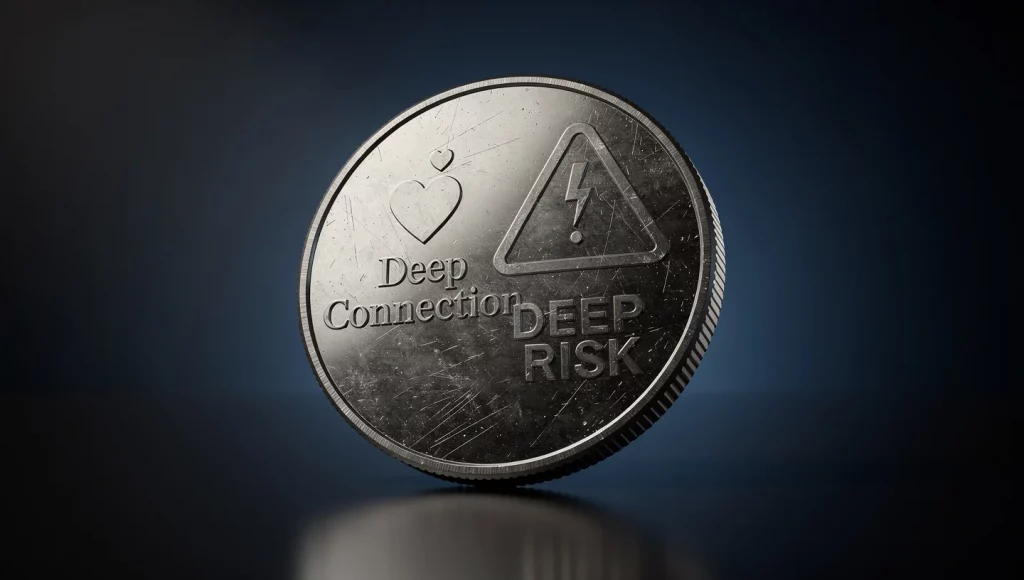
Types of Scams That Target Hinge Users Specifically
Certain scam types are especially effective on Hinge because they exploit the platform’s specific design features. Knowing these helps answer is Hinge safe for your particular risk profile.
Pig Butchering (Highest-Value Threat)
Pig butchering investment scams are the highest-dollar scam type on Hinge because the platform’s user base (educated, professional, relationship-seeking) is exactly the demographic pig butchering operations target. The scam follows Hinge’s natural relationship progression: thoughtful comment on a prompt → meaningful conversation over weeks → emotional investment → casual mention of an investment opportunity → introduction to a fake platform → escalating financial losses. Hinge’s design creates the perfect incubator for the weeks-long trust-building phase pig butchering requires.
Long-Con Romance Scams
Traditional romance scams (emotional manipulation leading to direct financial requests) are more effective on Hinge than Tinder because Hinge conversations develop more depth over more time. The scammer builds genuine-seeming emotional intimacy through Hinge’s engagement model — responding to prompts, sharing “vulnerabilities,” future-pacing — then introduces a financial emergency after weeks of invested connection.
AI-Enhanced Targeted Manipulation
AI chatbots are particularly dangerous on Hinge because Hinge’s prompt responses provide explicit data about the target’s values, preferences, and vulnerabilities. An AI chatbot that reads “The way to win me over: intellectual conversation and cooking together” can generate weeks of intellectually stimulating messages with recipe-sharing and dinner-planning — performing precisely the persona the target described wanting. The prompt system that makes Hinge great for genuine compatibility makes it equally effective for AI-driven targeted manipulation. With AI bots sending 60+ messages in 12 hours (McAfee Labs, 2026), the volume of personalized attention can feel overwhelming and deeply flattering.
Career Impersonation Scams
Hinge’s prominent career display makes career impersonation uniquely effective. A profile claiming “Investment Director at Blackstone” with a verification badge appears credible — the badge is visible, the career is displayed prominently, and most users don’t distinguish between photo verification (what the badge confirms) and career verification (what it doesn’t). The impersonated career serves multiple purposes: it attracts targets seeking successful partners, it builds credibility for financial recommendations, and it creates a lifestyle narrative that justifies later financial requests (“I’m between accounts while switching firms — can you cover dinner this week?”).
⚠️
The Hinge Career Check
For any Hinge match who claims an impressive career: search their name + claimed employer on LinkedIn. This 30-second check either confirms or contradicts the claim prominently displayed on their Hinge profile — a claim that Hinge’s verification system never validated despite displaying it as though it had been. If the LinkedIn profile doesn’t exist, was recently created, or contradicts the Hinge claim — note that discrepancy as a significant red flag.
Hinge Safety vs Tinder Safety vs Bumble Safety
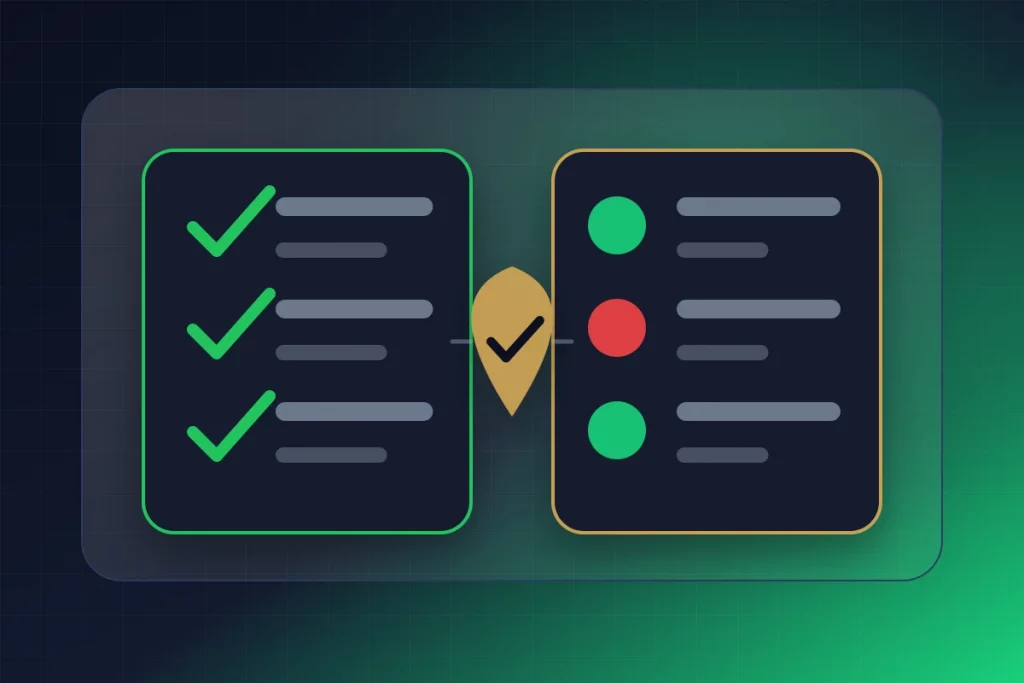
Comparing platforms helps calibrate the answer to is Hinge safe relative to alternatives.
| Safety Dimension | Hinge | Bumble | Tinder |
|---|---|---|---|
| Photo verification strength | Strongest (video selfie) | Medium (gesture selfie) | Basic (pose selfie) |
| Messaging control | Like + comment model | Women-first messaging | Open messaging |
| In-app video calling | Not built-in (most regions) | Built-in and available | Limited regions |
| Profile depth / detection signals | Rich (prompts reveal authenticity signals) | Medium (standard bio) | Minimal (short bio) |
| Scam severity risk | Higher (deeper investment = higher losses) | Medium | Medium (high volume, lower per-scam value) |
| Identity verification | None (photo only) | None (photo only) | None (photo only) |
Hinge leads on verification quality, profile depth, and behavioral verification impact. Bumble leads on messaging control and in-app calling. Tinder trails on most safety dimensions while having the highest volume of malicious activity. All three share the same identity verification gap. Is Hinge safe compared to alternatives? It has the strongest verification and deepest profile signals — but its relationship-focused design also creates the highest-stakes scam environment when fraud occurs.
How to Stay Safe on Hinge: The Complete Protocol
The answer to is Hinge safe becomes definitively “yes” when Hinge’s genuine strengths are combined with verification that closes the identity gap. Here’s the complete protocol.
Step 1: Optimize Your Hinge Profile for Safety
Video selfie takes seconds.
- Create a GuyID Trust Profile — government ID + social vouching provides the identity verification Hinge doesn’t. Use a prompt to share your Date Mode link: “The key to my heart is: someone who values trust. Identity verified on GuyID → [link].”
- Answer prompts with specific, personality-rich responses that attract genuine connections. But be aware that detailed prompt answers also provide information that scammers can use for targeting — balance authenticity with awareness.
Step 2: Screen Every Match with Free Tools
- GuyID reverse image search on all their photos — catches stolen and reused images the verification badge doesn’t detect. (30 seconds)
- Evaluate prompt response authenticity. Specific, personality-revealing answers are positive signals. Generic answers across all prompts suggest scripted or AI-generated content. Run through GuyID’s bio red flag detector.
- Catfish probability detector for holistic risk assessment. (10 seconds)
- LinkedIn cross-reference for career claims. Hinge displays careers prominently — verify them independently. Search their name + claimed employer. No match = unverified claim.
Step 3: Video Call Early (Critical on Hinge)
Because Hinge doesn’t have built-in video calling in most regions, suggest FaceTime, Google Meet, or WhatsApp video within the first week. On Hinge specifically — where emotional investment per match is higher than on casual platforms — early video verification is proportionally more important. You’re investing more per match; verify more per match. Apply active deepfake detection: full head turns, hand-over-face, environment changes.
Step 4: Request Verified Identity Before Meeting
Ask for their GuyID Trust Profile link before any in-person meeting. On a platform where the average emotional investment is higher, the cost of meeting a scammer is higher — making pre-meeting identity verification proportionally more valuable. Women check for free. The request is reasonable, increasingly normalized, and diagnostic: genuine people cooperate, scammers deflect.
Step 5: Maintain Off-Platform Awareness
When the conversation migrates from Hinge to WhatsApp or text — where Hinge’s features disappear — GuyID’s portable Date Mode link maintains verified trust. Continue monitoring for financial escalation patterns. Maintain your absolute rule: never send money to anyone you’ve met online, regardless of platform, relationship length, or emotional investment. And never invest in platforms recommended by someone you met on a dating app — this is the pig butchering entry point.
The Complete Hinge Safety Checklist
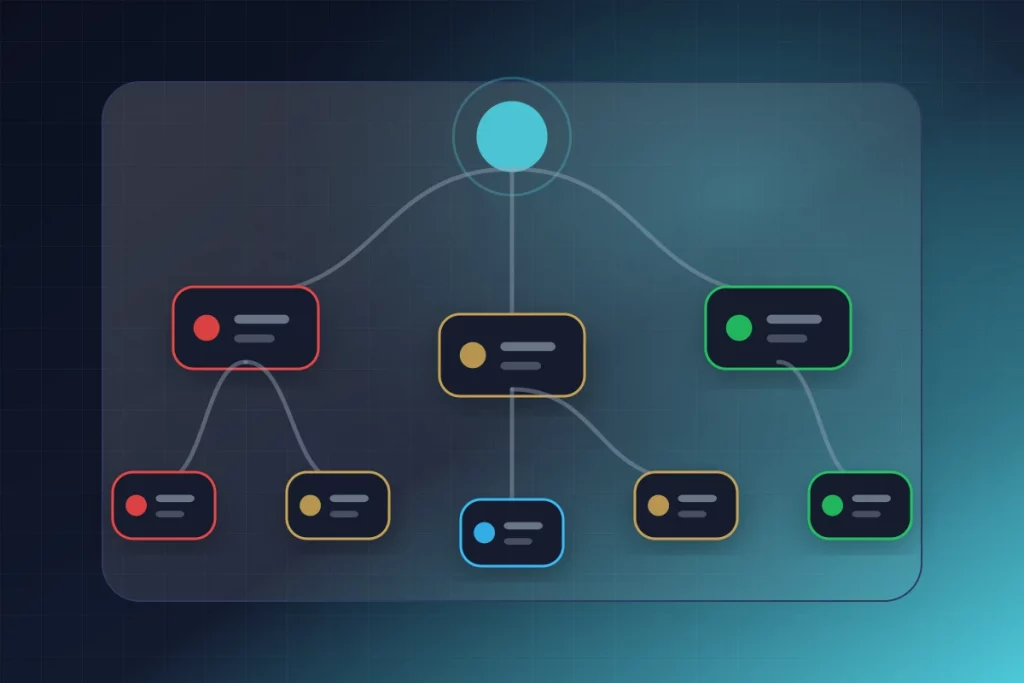
🟢 Profile Setup
☐ Create GuyID Trust Profile + share Date Mode link in prompt
☐ Answer prompts with specific, authentic responses
☐ Be aware that prompts are visible to both genuine matches and scammers
🟡 For Every Match
☐ Reverse image search all photos (30 seconds)
☐ Evaluate prompt response quality: specific vs generic
☐ Catfish probability check (10 seconds)
☐ LinkedIn cross-reference for career claims
☐ Bio red flag detector on prompt text (10 seconds)
🔵 Before Meeting
☐ Video call via FaceTime/WhatsApp with deepfake testing
☐ Request GuyID Trust Profile link (free to check)
☐ Confirm career claims match LinkedIn
☐ Share date plans with a trusted friend
☐ Public location, own transportation
🔴 Ongoing Rules
☐ Never send money — regardless of relationship depth
☐ Never invest in platforms recommended by a match
☐ Monitor for pig butchering patterns (investment introductions)
☐ Watch for WhatsApp migration urgency
☐ Trust your instincts — investigate if something feels off
Summary: Is Hinge Safe Enough?
Among the three major platforms, Hinge’s verification quality is the best and its user base is the most relationship-focused.
But is Hinge safe enough on its own? No — because the same features that make Hinge excellent for genuine connection make it a high-value target for sophisticated scams. The deep engagement Hinge encourages produces greater emotional investment, which translates to higher financial extraction when scams succeed. The prompt-based profiles that reveal personality to genuine matches also provide targeting data to scammers. And the career/education prominently displayed on every profile creates false confidence in claims the platform never validated.
The answer to is Hinge safe is the same as for Bumble and Tinder: safe as a foundation, not safe enough alone. Hinge provides the strongest photo-matching layer. GuyID’s free safety tools add screening that catches what photo matching misses. GuyID Trust Profiles add identity verification — government ID, social vouching, Trust Tiers — that no dating app provides. Together, Hinge’s best-in-class photo verification plus GuyID’s identity verification creates the most comprehensive dating safety stack available in 2026.
On a platform where the stakes are higher because the connections are deeper, the verification should be proportionally stronger. Hinge gives you the strongest photo check. Proactive verification through GuyID gives you the identity check, the character assessment, and the portable trust that turns is Hinge safe from a question into a confident yes.
Higher Stakes Deserve Stronger Verification
Hinge produces the deepest connections — and the highest-risk scam environment. GuyID provides the identity verification Hinge doesn’t: government ID + social vouching + Trust Tiers + 60+ free safety tools. Women check for free.
Try Free Safety Tools
Get Verified on GuyID
Frequently Asked Questions
Is Hinge safe to use in 2026?
Is Hinge safer than Bumble?
Can you get scammed on Hinge?
Does Hinge verification mean someone is safe?
Why are Hinge scams potentially more damaging?
Related Reading
Evidence note
The FTC reported 64,003 romance-scam reports in 2023, with $1.14 billion in reported losses and a $2,000 median reported loss (Federal Trade Commission, 2024).