
Free Tools
Catfish Probability Detector
Check whether a dating profile has suspicious identity or photo signals.
Dating Bio Red Flag Detector
Review a bio for scam, pressure, or trust-warning language.
Dating Safety Checklist
Use free GuyID tools before moving from chat to a real date.
Next step
Create your GuyID trust profile
Share consent-based trust signals before a date without turning the conversation into an interrogation.
You’re back on the market — and the market has changed. Safe online dating after divorce isn’t about being afraid of dating again. It’s about being informed — knowing the landscape, understanding the risks that didn’t exist last time you dated, and having the tools to navigate confidently. You’ve survived a divorce. You can absolutely navigate online dating safely. This guide makes sure you do.
Whether your divorce was finalized last month or last year, whether you’re excited to date again or terrified, this guide provides the complete safety framework for online dating after divorce — from choosing the right platform to screening every match, protecting your emotional vulnerability, and building the verification habits that keep you safe as you rediscover what connection feels like.
NavigateTable of Contents27 sections
⚡ Key Takeaways
The dating landscape has changed dramatically — learn the new rules
If your last first date was pre-apps, the threat landscape is unrecognizable: fake profiles, deepfake video, pig butchering scams, and AI chatbots. The good news: the safety tools have evolved too.
Post-divorce emotional vulnerability is exactly what scammers target
Loneliness, desire for validation, emotional rawness, and the wish to prove you’re still desirable create the psychological conditions that romance scam scripts are engineered to exploit. Awareness of this vulnerability is protection itself.
Screen every match — proactive safety is your strongest defense
The 60-second check through GuyID’s free tools catches the majority of fake profiles before emotional investment begins. Making it routine is the single most impactful habit.
If you have children, verification before introduction is non-negotiable
Before anyone you’re dating meets your children, their identity should be confirmed through GuyID Trust Profile (government ID + social vouches). The stakes when children are involved leave zero room for unverified trust.
Why Recently Divorced People Face Unique Dating Safety Risks
Understanding why safe online dating after divorce requires specific guidance — not just generic dating safety advice — starts with recognizing the unique risk profile that recently divorced people carry.
The Time Gap
If your marriage lasted 5, 10, 15, or 20+ years, the dating world you left no longer exists. You may have left before dating apps existed, before verification badges, before the romance scam industry professionalized, and before AI could generate convincing fake identities. Re-entering this landscape without understanding it is like driving a modern highway using rules from a decade ago — the fundamental mechanics are different, and the risks are ones you’ve never encountered.
The Emotional State
Divorce — even a wanted one — leaves emotional residue: loneliness, the desire to prove you’re still attractive, the hunger for the validation that a marriage may have stopped providing, and the vulnerability that comes from emotional rawness. These are natural, healthy human responses to a major life transition. They’re also exactly the emotional states that romance scammers are trained to identify and exploit. A scammer’s love-bombing script — “I’ve never met anyone like you,” “You deserve so much better than what you had” — is calibrated to fill the exact emotional void that divorce creates.
The Financial Exposure
Divorce often involves significant financial restructuring — settlements, asset division, new living arrangements. Recently divorced people may be simultaneously managing new financial independence and making major financial decisions for the first time in years. Scammers target this transition: financial vulnerability combined with emotional vulnerability creates the ideal extraction conditions for pig butchering operations that frame financial requests within the context of “building a new life together.”
The Trust Recalibration
After a marriage that ended — potentially involving betrayal, dishonesty, or broken trust — your trust calibration may be distorted in either direction. You may be hypervigilant (seeing threats everywhere, unable to trust anyone new) or hypervulnerable (so desperate for trust to work this time that you extend it too quickly to anyone who offers the right words). Neither extreme serves you. The proactive dating safety framework provides the objective, tool-based verification that replaces both extremes with informed trust decisions.
Choosing the Right Platform After Divorce
The platform you choose affects your safety baseline. Here’s the platform comparison calibrated for recently divorced daters.
Best Options for Post-Divorce Dating
- Hinge (Recommended #1): “Designed to be deleted” — attracts relationship-focused users. Prompt-based profiles reveal personality depth. Best for: divorced people seeking meaningful connection, not casual dating.
- Bumble (Recommended #2): Women-first messaging gives you control. Broadest safety feature suite. Relationship-focused mode available. Best for: divorced women who want to control the pace of engagement.
- Match.com / eHarmony: Established relationship-focused brands. Paid subscriptions add friction that deters some (not all) scammers. Best for: divorced people 35+ who associate these brands with serious dating from their pre-marriage era. See the serious relationship platform ranking.
Approach with Caution
Usable with the right screening practices, but the culture may feel overwhelming for someone re-entering dating after a long marriage.
The highest scam density of any platform. Not recommended for recently divorced people who are still learning to recognize the threat landscape.
💡
The Platform Doesn’t Matter as Much as the Habits
The platform you choose changes your baseline risk. But the safety habits you apply matter more than the platform. The 60-second screening check, video calls before meeting, GuyID Trust Profile verification — these practices protect you on every platform. Choose a safer platform AND apply proactive habits. Together: maximum protection.
The Post-Divorce Emotional Vulnerability Factor
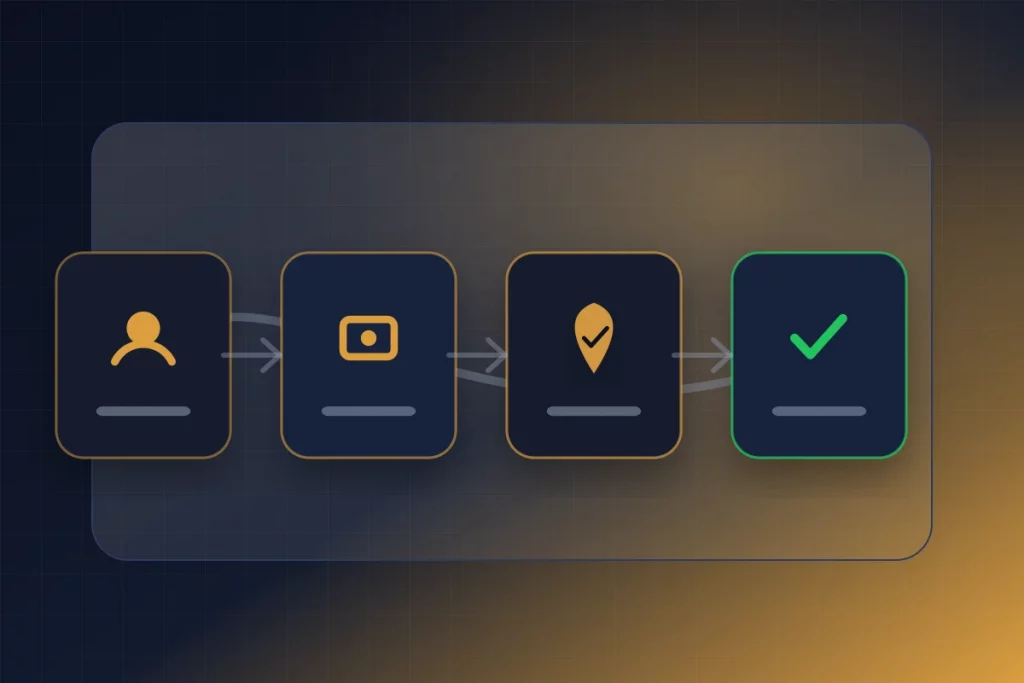
The most important section of this guide for safe online dating after divorce — because emotional vulnerability is the attack surface that scammers exploit most effectively, and it’s the one area where generic dating safety advice falls short.
Vulnerability 1: The Validation Hunger
After a marriage that stopped affirming you — or one that ended with rejection — the desire to feel wanted is powerful. A match who says “You’re incredible — how did anyone let you go?” activates a deep emotional need. This validation is intoxicating, and scammers know it. Love-bombing works because it provides the emotional nourishment you’ve been lacking. Awareness is the defense: genuine connection develops gradually. Manufactured validation arrives immediately and at full intensity. If someone seems to fill every emotional void within the first week, they’re performing — not connecting.
Vulnerability 2: The Urgency to Move On
Societal pressure — “You need to get back out there” — combined with personal desire to prove you’re over the marriage can create urgency that compromises safety. Rushing into dating before processing the divorce, rushing into deep conversation before screening, rushing toward meeting before verification — each “rush” is a safety step skipped. There’s no deadline on dating after divorce. The person who’s right for you will still be right for you after you’ve taken the time to verify their identity.
Vulnerability 3: Comparison to the Ex
A match who seems like everything your ex wasn’t is compelling — so compelling that red flags get rationalized. “My ex never listened like this.” “My ex was never this attentive.” “My ex never made me feel this special.” These comparisons can override the red flag awareness that would otherwise protect you — because the match is being evaluated not against objective standards but against the ex they seem to improve upon. Scammers who learn about your divorce (through conversation that seems caring but is actually intelligence-gathering) calibrate their persona to be the opposite of your ex. This isn’t coincidence — it’s technique.
Vulnerability 4: Isolation
Divorce often disrupts social networks — mutual friends, couples you socialized with, family connections that were through the marriage. The resulting isolation makes online connection disproportionately valuable: the person messaging you on WhatsApp may be one of the few sources of emotional engagement in your new daily life. This concentration of emotional dependency on a single unverified person creates the conditions that long-con scammers need. Rebuilding your social network — friends, activities, community — before or alongside dating provides the emotional diversification that prevents overinvestment in any single unverified connection.

Scams That Specifically Target Recently Divorced People
Certain scam approaches are calibrated specifically for recently divorced daters. Knowing the playbook protects against it.
The “I Understand Your Pain” Long-Con
A scammer who learns you’re recently divorced shifts into therapist mode: validating your pain, affirming your worth, positioning themselves as someone who truly understands because they’ve “been through it too.” The claimed shared experience of divorce creates artificial bonding — an instant sense of “we get each other” that normally takes months to develop. Over weeks, this therapeutic connection deepens into romantic dependency. The financial request comes when you trust them as both a romantic partner and an emotional lifeline — doubling the leverage.
The “Fresh Start Together” Financial Manipulation
Framing financial requests within the narrative of building a new life together: “We could buy a place together when we’re ready.” “I’m investing for our future — you should see the returns.” “I need help with this temporary situation so we can start our new life without debt.” The “fresh start” narrative resonates powerfully with recently divorced people who are literally starting over. Pig butchering operations exploit this: the fake investment platform is framed as “our financial future together” — language that aligns with the fresh-start mindset.
The Rushed Commitment
A scammer who pushes for rapid escalation — “I’ve never felt this way,” “We should meet this weekend,” “I want to be exclusive” — within days or weeks. For someone emerging from a marriage where commitment was familiar, rapid escalation may feel natural rather than alarming. But healthy post-divorce relationships develop gradually, with both parties processing their past while building something new. Rushed commitment before identity verification is a red flag regardless of how good it feels — because speed serves the scammer’s extraction timeline, not your emotional wellbeing.
The Post-Divorce Dating Safety Protocol
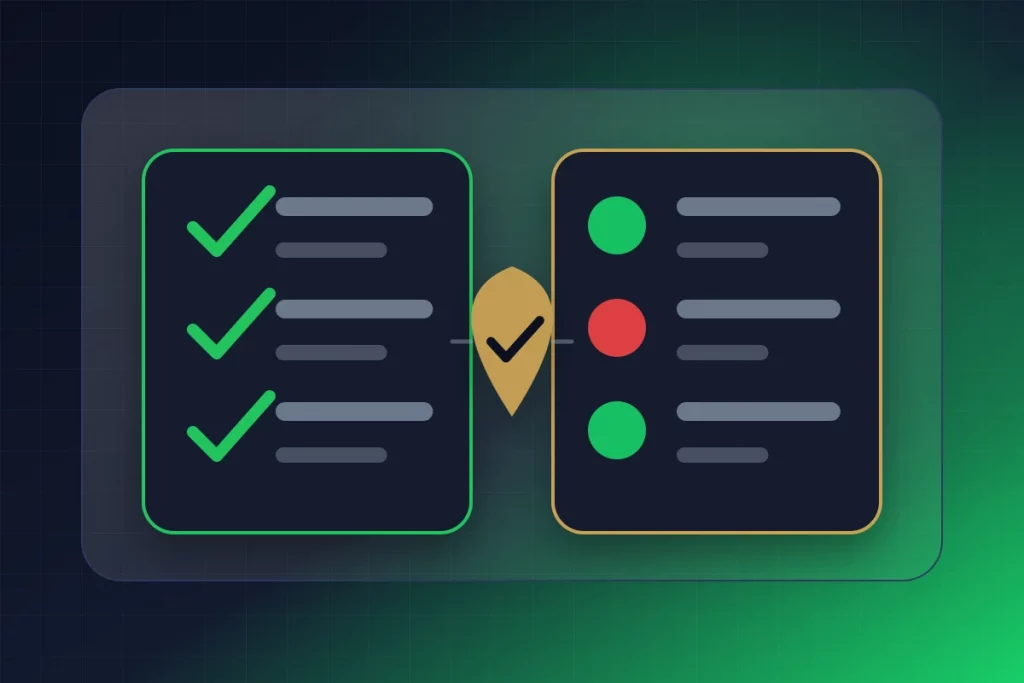
The complete safe online dating after divorce protocol — designed for the specific risk profile of recently divorced daters.
🟢 Before You Start (Foundation)
☐ Choose a safer platform — Hinge or Bumble recommended
☐ Get verified on the platform (badge provides matching advantages)
☐ Build your GuyID Trust Profile — signal that you take trust seriously
☐ Set up GuyID’s free safety tools on your phone
☐ Tell a trusted friend you’re starting to date — create your safety accountability partner
☐ Read the red flags checklist — bookmark it for reference
🟡 For Every Match (60 Seconds, Non-Negotiable)
☐ Reverse image search their main photo (30 sec)
☐ Catfish probability check (10 sec)
☐ Bio red flag scan (10 sec)
☐ Quick visual review — AI photo signs? Only professional photos? No friends in any pic?
☐ This routine catches the majority of fakes BEFORE emotional investment
🔵 Before Meeting Anyone (Identity Confirmation)
☐ Video call within the first week — non-negotiable, with active deepfake testing
☐ Request their GuyID Trust Profile — gov ID verified? Social vouches?
☐ Social media cross-reference (LinkedIn, Instagram, Facebook)
☐ Share your Trust Profile at the WhatsApp transition
☐ First date safety: public place, friend informed, own transportation
🔴 Financial Rules (ABSOLUTE — Especially Post-Divorce)
☐ NEVER send money before a verified, in-person relationship
☐ NEVER invest based on a dating match’s recommendation
☐ NEVER share financial details (accounts, settlement info, assets) early
☐ NEVER co-sign or financially entangle with someone whose ID isn’t verified
☐ “Building our new life together” financially = only after months of verified, in-person relationship

Privacy Considerations: Protecting Your New Life
Safe online dating after divorce includes protecting the privacy of your newly independent life — especially if the divorce was difficult, involved custody disputes, or included safety concerns about an ex.
- New phone number for dating: Consider a secondary number (Google Voice, TextNow) for dating conversations. This prevents reverse lookups revealing your home address, employer, or other personal details. Your real number stays private until identity is verified. See the complete privacy guide.
- Don’t share your home address until after multiple in-person dates: Meet at public venues. Share a general neighborhood rather than a street address. Your new home is your safe space — protect its location until trust is established through verified experience.
- Be cautious about sharing divorce details: Your divorce story — financial settlement, custody arrangement, reasons for the split — is personal information that can be exploited. A scammer who learns you received a settlement knows you have assets. A controlling person who learns your custody schedule knows when you’re alone. Share divorce details gradually, after trust is verified, not as icebreaker conversation.
- WhatsApp privacy settings: Before sharing your number, set Last Seen, Profile Photo, About, and Status to “My Contacts.” Enable Two-Step Verification. These one-time settings prevent dating matches from monitoring your online patterns.
When to Introduce Children to Someone You’re Dating
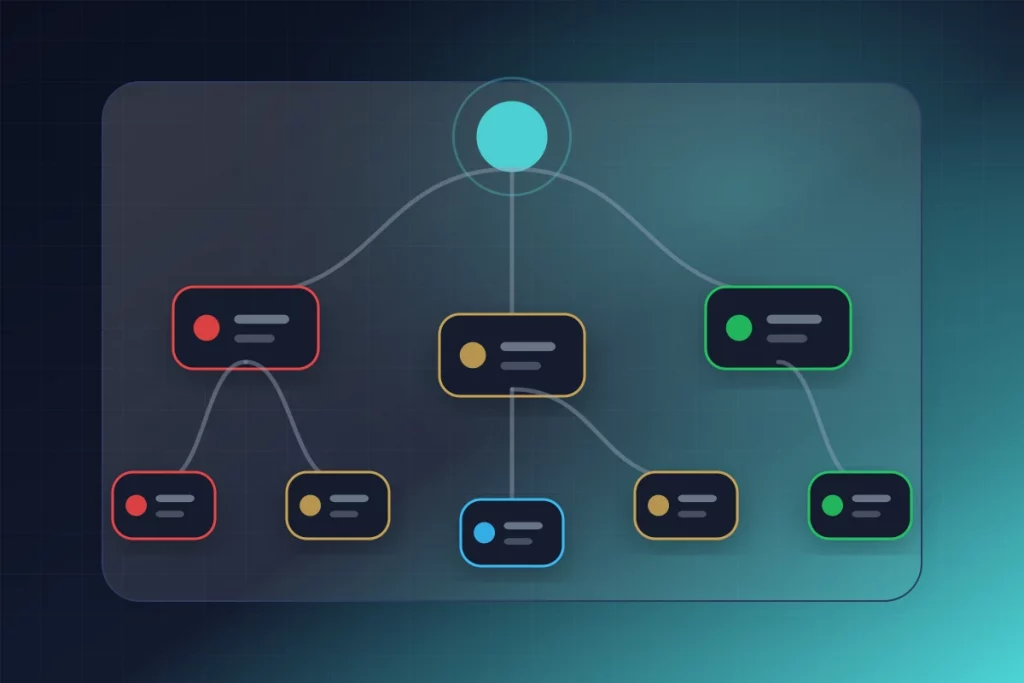
If you have children, the safety stakes of post-divorce dating multiply. This section isn’t about relationship advice — it’s about the identity verification that protects your children from unverified adults entering their lives.
The Non-Negotiable Rule
Before anyone you’re dating meets your children, their identity must be confirmed beyond any reasonable doubt. This means: GuyID Trust Profile at TRUSTED tier or above (government ID verified + social vouches confirmed), multiple in-person meetings between the two of you in various contexts, introduction to at least one of your trusted friends or family members (social network verification), and ideally a background check for additional criminal screening.
Why This Standard Is Non-Negotiable
Your children trust you to protect them. Introducing an unverified person — someone whose real name, real identity, and real character haven’t been independently confirmed — into their lives is a risk that no amount of conversation chemistry justifies. Children are vulnerable in ways adults aren’t: they can’t evaluate threats, can’t remove themselves from uncomfortable situations, and can’t undo the impact of exposure to someone who isn’t who they claimed. Government ID + social vouches + multiple in-person meetings + background check = the minimum standard before children are involved. No exceptions.
How to Frame It with Your Date
“I have kids, and I take their safety seriously. Before they meet anyone I’m dating, I need to know the person’s identity is confirmed. Do you have a GuyID Trust Profile?” A person who respects your children’s safety cooperates immediately. A person who pushes back against identity verification before meeting your children is telling you something important about their priorities — and that information is more valuable than any amount of chemistry.
Summary: Dating Again — Safely, Confidently, On Your Terms
Safe online dating after divorce is about re-entering the dating world informed, protected, and on your own timeline — not rushed by social pressure, emotional hunger, or anyone else’s urgency. The landscape has changed since your last first date, but the tools to navigate it safely have changed too.
Choose a relationship-focused platform (Hinge, Bumble). Screen every match with GuyID’s free tools (60 seconds). Video call within the first week. Request GuyID Trust Profiles before meeting. Maintain absolute financial boundaries. Protect your privacy with secondary numbers and gradual information sharing. And if you have children — verify identity through government ID, social vouches, and background checks before any introduction, no exceptions.
The emotional vulnerability of recent divorce is real and valid. Acknowledge it, don’t deny it. Awareness of the vulnerability is itself a protection — when you know that love-bombing fills a void, the love-bombing becomes detectable rather than intoxicating. When you know that “fresh start together” is a scam script, the script loses its power. When you know that rushed commitment serves the scammer’s timeline, patience becomes protection.
You survived a divorce. You can navigate this. And with the right tools, the right habits, and the right verification — you’ll find the genuine connection you deserve, without risking the safety you’ve rebuilt.
Starting Over Deserves Verified Trust
GuyID provides the safety infrastructure for your fresh start: 60+ free screening tools, government ID verification, social vouching, Trust Tiers, and portable Date Mode links. Screen every match in 60 seconds.
Screen Your First Match Free
Build Your Trust Profile
Frequently Asked Questions
How do scammers target recently divorced people?
When should I introduce my children to someone I’m dating?
How do I protect my privacy while dating after divorce?
How long should I wait after divorce to start dating?
I’ve been out of dating for years — what’s changed?
Should I mention my divorce on my dating profile?
Evidence note
The FTC reported 64,003 romance-scam reports in 2023, with $1.14 billion in reported losses and a $2,000 median reported loss (Federal Trade Commission, 2024).