
Reader Briefing
Reader Briefing
Start here if you need a practical read on safe dating apps for serious relationships: 2026 ranking & safety guide: who should use verification, what signals to check, and what to do before moving from online interest to an in-person plan.
Who this is for
- People meeting someone from a dating app or social platform.
- Anyone checking identity, profile consistency, and trust signals.
- People trying to avoid romance scams, fake profiles, or pressure tactics.
- Online daters improving conversations, profiles, or match screening.
You’ll learn
- How to evaluate identity signals without treating any single check as certainty.
- Which trust signals matter and how to weigh them together.
- How to spot inconsistencies, pressure, or behavior patterns that deserve caution.
- How to move from online conversation to a safer first meeting.
- Where GuyID tools fit into a quick pre-date screening workflow.
- How to compare options using practical safety and trust criteria.
Bottom line
Verification reduces uncertainty; it does not guarantee future behavior. Use a layered approach: confirm identity signals, compare profile consistency, ask for a short video call, keep early plans public, and slow down when someone pressures you to skip normal safety steps.
Key takeaways
- Identity verification improves confidence, not certainty.
- Patterns matter more than isolated incidents.
- Verify before meeting privately or sharing sensitive details.
- A short video call can reveal many inconsistencies.
- Pressure to skip reasonable safety steps is useful information.
Free Tools
Catfish Probability Detector
Check whether a dating profile has suspicious identity or photo signals.
Dating Bio Red Flag Detector
Review a bio for scam, pressure, or trust-warning language.
Dating Safety Checklist
Use free GuyID tools before moving from chat to a real date.
Next step
Create your GuyID trust profile
Share consent-based trust signals before a date without turning the conversation into an interrogation.
Finding safe dating apps for serious relationships requires evaluating platforms through a different lens than casual dating. When you’re looking for a long-term partner — someone you’ll share your life, your home, potentially your finances and family with — the safety stakes are exponentially higher. A catfish on a casual app wastes an evening. A scammer on a relationship-focused app can waste months of emotional investment, extract tens of thousands of dollars through pig butchering schemes, or introduce someone with a hidden past into your life and your family’s lives.
This guide ranks every major dating platform by its suitability for serious relationship seekers — weighing verification strength, user intent alignment, scam sophistication risk, and the depth of safety features against the higher stakes that serious relationship seekers face.
NavigateTable of Contents24 sections
⚡ Key Takeaways
Hinge is the #1 safest dating app for serious relationships
“Designed to be deleted” attracts relationship-focused users. Prompt-based profiles reveal authenticity at depth that short bios can’t match.
Higher emotional investment = higher scam value
Serious relationship seekers invest more time, emotion, and trust per match — creating exactly the conditions that long-con romance scams and pig butchering require for maximum extraction.
No app verifies what serious seekers need most: character and honesty
Every app verifies photos. None verify whether someone is honest, single, faithful, or safe to build a life with. The gap between what verified means and what serious seekers need is the widest for this demographic.
GuyID’s Trust Tiers align perfectly with serious relationship evaluation
GuyID’s progressive system (GHOST → LEGEND) mirrors how trust actually develops in serious relationships — gradually, with verification at each stage. Government ID + social vouching + sustained trustworthiness = the verification serious seekers actually need.
Why Serious Relationship Seekers Face Higher Safety Stakes
The safety calculus for someone seeking a life partner is fundamentally different from someone seeking a casual date. Understanding why changes how you evaluate safe dating apps for serious relationships.
Deeper Emotional Investment Per Match
Casual daters evaluate quickly and move on — a bad Tinder date costs an evening. Serious relationship seekers invest weeks of meaningful conversation, vulnerability sharing, future planning, and emotional depth before meeting. By the time a serious seeker discovers they’ve been talking to a scammer, weeks of genuine emotional investment have been spent. This investment creates the attachment that makes disengagement harder and financial extraction easier — the exact dynamic that pig butchering operations rely on.
More Personal Information Shared
Serious relationship conversations naturally involve sharing life goals, financial situations (“I’m saving for a house”), family details (“I have two kids from my previous marriage”), health information, career ambitions, and emotional vulnerabilities. Each piece of information shared with a genuine partner builds intimacy. Each piece shared with a scammer builds targeting data. The privacy stakes are proportionally higher when the conversation goes proportionally deeper.
Higher Financial Risk
People seeking serious relationships are statistically more likely to be financially stable (career-established, savings accumulated, property owned) and more willing to envision shared financial futures with a partner. Scammers targeting relationship-focused platforms exploit both factors: the financial stability provides the resources to extract, and the relationship mindset provides the psychological framework (“we’re building a life together”) that makes financial requests feel like partnership rather than fraud.
Relationship Status Deception
On casual platforms, this is problematic but limited in damage — a hookup with a married person is unethical but typically short-term. On relationship-focused platforms, where users invest months building toward committed partnership, discovering that someone is married, separated-but-reconciling, or in another relationship causes months of wasted emotional investment and potentially devastating psychological harm. No dating app verifies relationship status — a critical gap for serious seekers.
The Safest Dating Apps for Serious Relationships: Ranked
This ranking evaluates safe dating apps for serious relationships weighted toward: user intent alignment (does the platform attract relationship-focused users?), verification strength (are matches more likely to be real?), scam sophistication exposure (does the platform attract high-value scam operations?), and safety feature depth.
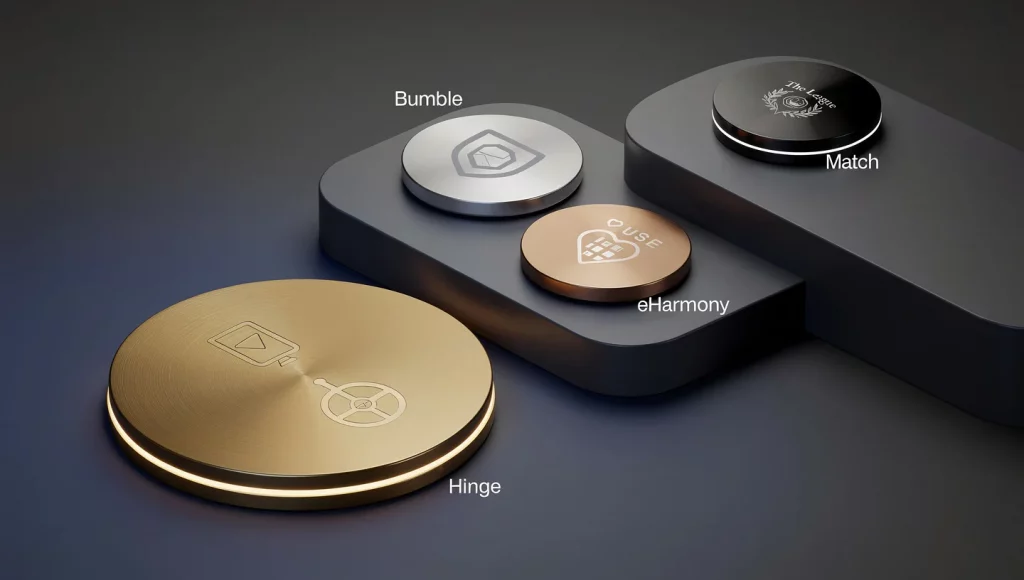
| Rank | App | Relationship Alignment | Verification | Key Advantage for Serious Seekers |
|---|---|---|---|---|
| #1 | Hinge | “Designed to be deleted” | Video selfie (strongest) | Best verification + deepest profiles + relationship-focused culture |
| #2 | Bumble | Relationship-oriented | Gesture selfie + video calling | Broadest safety suite + women-first messaging + in-app calling |
| #3 | eHarmony | Exclusively relationship-focused | Optional verification | Deepest compatibility screening + highest relationship intent |
| #4 | Match.com | Relationship-focused | Selfie verification | Largest relationship-focused user base + established brand trust |
| #5 | The League | Relationship-leaning | LinkedIn + photo | Highest screening barriers + professional verification |
#1: Hinge — Designed to Be Deleted, Strongest Verification
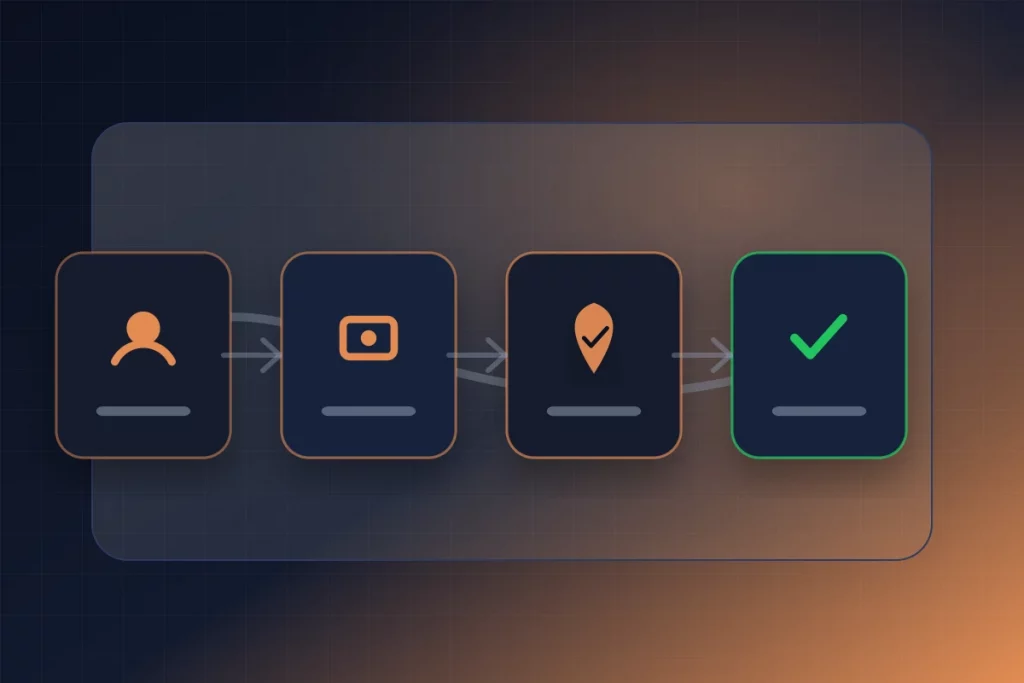
Hinge earns the #1 position among safe dating apps for serious relationships because its design philosophy, user culture, and verification strength align most closely with what serious seekers need.
Why Hinge Leads for Serious Relationships
- “Designed to be deleted” culture: Hinge’s brand positioning self-selects for relationship-seeking users. The user base skews toward people who want to find someone and leave the app — not people who want to swipe indefinitely. This cultural alignment means more genuine relationship seekers per swipe.
For serious seekers, the strongest available confirmation that matches are real people — not fake profiles or AI-generated identities. - Prompt-based profiles reveal depth: Hinge’s prompts encourage sharing values, humor, life goals, and personality — creating profiles that reveal genuine compatibility signals. For relationship seekers, this depth is essential: compatibility matters more when you’re selecting a life partner than a dinner date.
- Engagement-based matching: Users like specific photos or prompts with comments, creating more intentional interactions. For serious seekers, the quality of the first interaction signal matters — “I loved your answer about travel priorities” tells you something; a generic like tells you nothing.
The Hinge Risk for Serious Seekers
The same depth that makes Hinge ideal for genuine connections creates the highest-stakes environment when fraud occurs. Prompt responses provide manipulation roadmaps for scammers. Career claims prominently displayed are unverified. Deeper emotional investment means higher potential extraction. Serious seekers on Hinge should apply maximum proactive verification precisely because the stakes match the depth.
#2: Bumble — Best Safety Suite, Women-First Control
Bumble ranks #2 for safe dating apps for serious relationships because its comprehensive safety feature suite addresses the broadest range of threats that serious seekers face.
- Women-first messaging: For women seeking serious relationships, controlling which conversations begin eliminates the harassment and scam cold-outreach that waste time and energy on other platforms.
- In-app video calling: Enables live verification without sharing phone numbers — critical for serious seekers who have more to lose from privacy exposure.
- Bumble relationship mode: The platform offers a relationship-seeking filter that preferences matches who also indicate they want committed relationships — aligning intent between matches.
- Gesture verification + Private Detector + 24-hour expiration: The broadest combined safety toolkit among major apps.
#3: eHarmony — Deepest Compatibility Screening
eHarmony earns #3 for its exclusively relationship-focused positioning and the deepest compatibility screening process of any dating platform.
- Exclusively relationship-focused: eHarmony doesn’t serve casual dating — every user is explicitly seeking a committed relationship. This creates the purest intent-aligned user base of any platform.
- Extensive questionnaire: The compatibility quiz (100+ questions) creates a high barrier to entry that deters casual users and low-effort scam profiles. Genuinely answering 100+ questions requires investment that mass scam operations find inefficient.
- Optional ID verification: eHarmony offers government ID verification in some regions — a feature no other mainstream platform provides, even optionally.
The trade-off: eHarmony’s verification features lag behind Bumble and Hinge despite stronger intent alignment. The questionnaire deters casual fakes but not sophisticated, targeted scam operations willing to invest time. Safety features beyond the compatibility quiz are standard — not industry-leading.
#4: Match.com — Established Relationship Brand
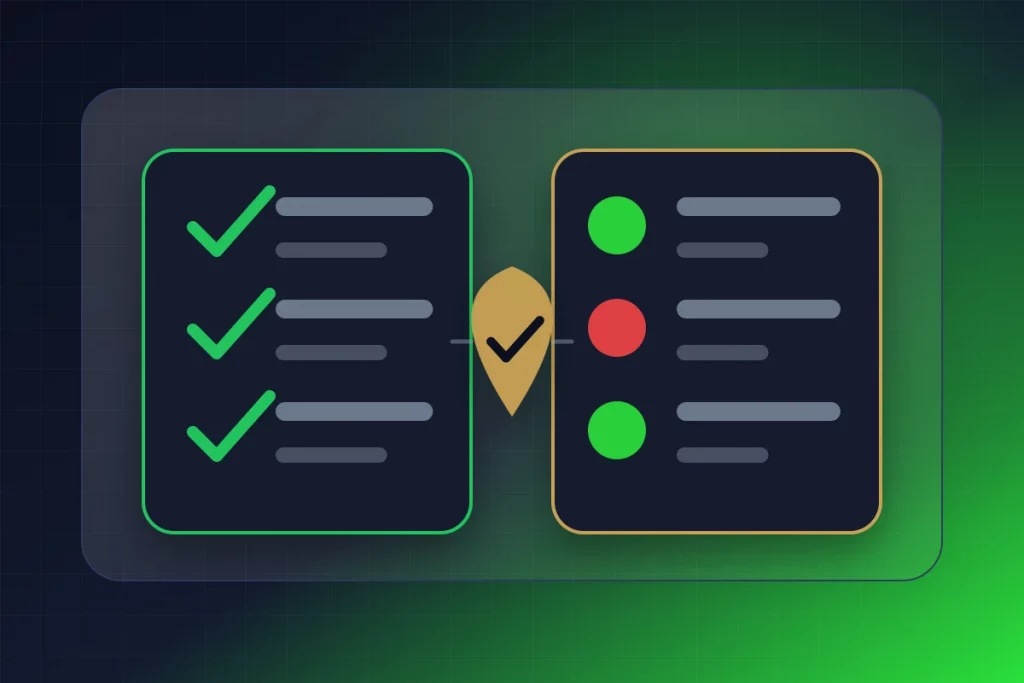
Match.com has been the relationship-focused dating platform for over two decades, attracting users who associate the brand with serious partnership seeking.
- Largest relationship-focused user base: More relationship-seeking users than any other platform by pure volume, providing the broadest potential partner pool for serious seekers.
- Paid model creates friction: Match.com’s subscription requirement adds a financial barrier that deters some (not all) casual users and low-investment scam profiles.
- Brand trust for older demographics: Users 35+ who remember Match.com before Tinder existed may feel more comfortable on a platform with established brand recognition — though brand familiarity shouldn’t be confused with platform safety.
The trade-off: Match.com’s safety features are standard rather than innovative. Verification is selfie-based (weaker than Hinge or Bumble). No women-first messaging. No in-app video calling in most regions. The brand heritage is strong; the feature set is average.
Apps That Serious Relationship Seekers Should Approach Carefully
Tinder: Intent Misalignment
Tinder’s culture skews casual — the swipe model encourages volume over depth. Serious seekers on Tinder swim against the cultural current: most users aren’t seeking committed relationships, which means more mismatched conversations and more exposure to users whose casual intent may conflict with your serious goals. Serious seekers who prefer Tinder should apply maximum proactive verification.
POF: Maximum Risk
The combination of relationship intent (emotional investment) and scam density (high exposure) makes POF particularly dangerous for people seeking committed partnerships.
Facebook Dating: Hacked Account Risk
Facebook Dating’s hacked account vulnerability is especially dangerous for serious seekers because hacked accounts carry years of genuine social proof — creating the most convincing long-term relationship scam cover available. A scammer operating a hacked account with 10 years of genuine Facebook history can sustain a months-long relationship deception that shorter-history profiles can’t support.
Scams That Specifically Target Serious Relationship Seekers
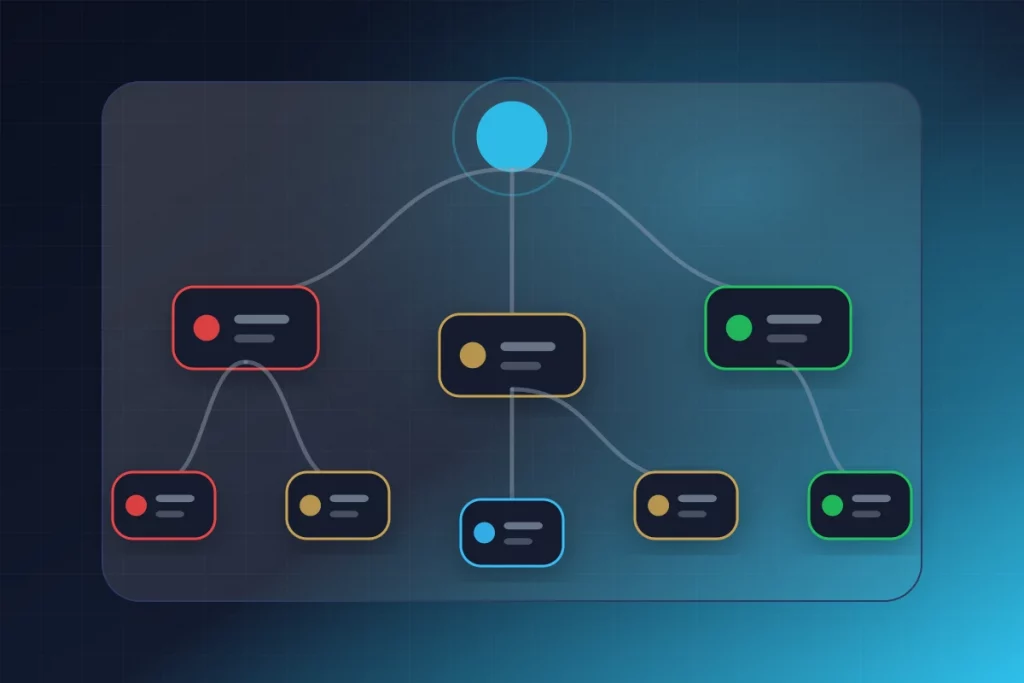
Certain scam types are specifically engineered for people seeking safe dating apps for serious relationships — exploiting the deeper investment and higher trust that relationship seekers extend.
The “Ready to Settle Down” Long-Con
A scammer mirrors the serious seeker’s relationship goals precisely: “I’ve done the career thing. I’ve traveled. Now I want someone to build a real life with.” This language activates the serious seeker’s deepest desires — partnership, stability, shared future — and creates an instant sense of alignment. Over weeks, the scammer builds a relationship narrative that tracks the serious seeker’s dream relationship: discussions about values, future children, where to live, meeting each other’s families. The financial request comes only after months of invested emotional architecture — and it’s framed within the relationship narrative: “I need help with a down payment so we can start looking at houses together.”
Pig Butchering Targeting Relationship-Focused Users
Pig butchering operations specifically target relationship-focused platforms because serious seekers are more likely to have financial stability (accumulated savings), more willing to envision shared financial futures, and more emotionally invested in the relationship when the “investment opportunity” is introduced. The fake investment platform is presented as “building our financial future together” — a framing that resonates with relationship intent.
Relationship-Status Fraud
Married or partnered individuals create profiles on relationship-focused platforms seeking affairs while representing themselves as single and seeking commitment. On a casual platform, this deception has limited damage. On a relationship-focused platform, it can waste months of a serious seeker’s time, emotional energy, and trust — with the discovery often causing significant psychological harm. No platform verifies relationship status — making this the most common form of undetectable deception on safe dating apps for serious relationships.

The Serious Relationship Safety Protocol
When the relationship stakes are higher, the verification should be proportionally stronger. Here’s the protocol designed specifically for serious seekers.
🟢 Before Matching (Foundation)
☐ Choose a top-ranked platform (Hinge, Bumble, eHarmony, Match)
☐ Create a GuyID Trust Profile — signal to matches that you take trust seriously
☐ Set up GuyID’s free safety tools as your screening baseline
🟡 For Every Serious Match
☐ Reverse image search all photos (30 sec) — routine, not suspicious
☐ Catfish probability check (10 sec)
☐ Evaluate prompt/bio authenticity — specific vs generic
☐ Cross-reference career claims on LinkedIn
☐ Video call within the first week (deepfake testing)
☐ Watch for red flags — especially the “Ready to Settle Down” persona
🔵 Before Deepening Commitment
☐ Request GuyID Trust Profile — government ID + social vouching (free for women)
☐ Meet in person multiple times in public venues
☐ Introduce them to your friend group (social network verification)
☐ Google their full name + city + profession comprehensively
☐ Verify relationship status through social media cross-referencing
🔴 Financial Rules (ESPECIALLY for Serious Seekers)
☐ NEVER send money before establishing a verified, in-person relationship
☐ NEVER invest in platforms recommended by a dating match
☐ NEVER share financial details (accounts, SSN, credit scores) early
☐ NEVER co-sign anything with someone whose identity isn’t verified through GuyID
☐ If they introduce “investment opportunities” → pig butchering alarm
Summary: The Safest Way to Find a Serious Relationship Online
The safest dating apps for serious relationships in 2026: (1) Hinge — strongest verification, deepest profiles, “designed to be deleted” culture. (2) Bumble — broadest safety suite, women-first messaging, in-app video calling. (3) eHarmony — exclusively relationship-focused, deepest compatibility screening. (4) Match.com — largest relationship-focused user base, established brand. (5) The League — highest screening barriers, LinkedIn requirement.
But the ranking’s most important finding: serious relationship seekers face higher safety stakes than casual daters across every dimension — deeper emotional investment, more personal information shared, higher financial risk, and relationship-status deception that no platform detects. The trust gap between what platforms verify (photos) and what serious seekers need verified (identity, character, honesty, relationship status) is widest for this demographic.
GuyID’s progressive Trust Tiers align perfectly with how serious relationships develop: trust earned gradually, verified at each stage, with sustained trustworthiness demonstrated over time. Government ID confirms legal identity. Social vouching confirms character. Trust Tiers confirm consistency. This is the verification architecture that serious relationship seekers actually need — and that no dating app badge provides.
Choose a relationship-aligned platform. Apply the serious relationship protocol. Verify identity through GuyID before deepening commitment. And maintain absolute financial boundaries until trust is verified in person over time. The person you’re looking for — the genuine, honest, committed partner — will welcome verification enthusiastically. The person who resists it is telling you something important.
Serious Relationships Deserve Serious Verification
GuyID’s Trust Tiers mirror how real trust develops — gradually, with verification at each stage. Government ID + social vouching + progressive trust + 60+ free safety tools. Women check for free. Because the person you’re building a life with should be verified for life.
Try Free Safety Tools
Get Verified on GuyID
Frequently Asked Questions
Why are serious relationship seekers targeted by scammers?
How does GuyID’s Trust Tier system help serious relationship seekers?
How can I verify someone’s relationship status before committing?
When should I verify someone’s identity in a serious relationship?
Evidence note
The FTC reported 64,003 romance-scam reports in 2023, with $1.14 billion in reported losses and a $2,000 median reported loss (Federal Trade Commission, 2024).