Free Tools
Catfish Probability Detector
Check whether a dating profile has suspicious identity or photo signals.
Dating Bio Red Flag Detector
Review a bio for scam, pressure, or trust-warning language.
Dating Safety Checklist
Use free GuyID tools before moving from chat to a real date.
Next step
Create your GuyID trust profile
Share consent-based trust signals before a date without turning the conversation into an interrogation.
A dating trust score is a measurable indicator of how verified, vouched-for, and trustworthy a person is in the online dating context — moving beyond the binary “verified/not verified” badge that dating apps provide and replacing it with a progressive, multi-dimensional trust assessment that reflects how trust actually works in real relationships. Today’s dating app badges tell you one thing: a selfie matched photos. A dating trust score tells you whether the person’s legal identity is confirmed, whether real people vouch for their character, and whether they’ve demonstrated sustained trustworthiness over time. With $1.3 billion lost annually to romance scams (FTC, 2026), verification badges that confirm only photos, and 80 million Americans navigating dating apps without meaningful trust signals (SSRS, 2026), the dating trust score represents the evolution from “is this person’s selfie real?” to “is this person trustworthy?”
This guide explains what a dating trust score is, why the dating industry needs it, how it works in practice through GuyID’s Trust Tiers system, why progressive trust measurement is fundamentally better than binary badges, and how trust scores change the dating safety equation for both men and women.
NavigateTable of Contents31 sections
⚡ Key Takeaways
A dating trust score measures verified trustworthiness — not just photo matching
Unlike dating app verification badges that confirm a selfie matched photos, a dating trust score measures identity verification (government ID), character vouching (real people who know you), and sustained trustworthiness (progressive Trust Tiers over time).
GuyID’s Trust Tiers replace binary badges with progressive trust
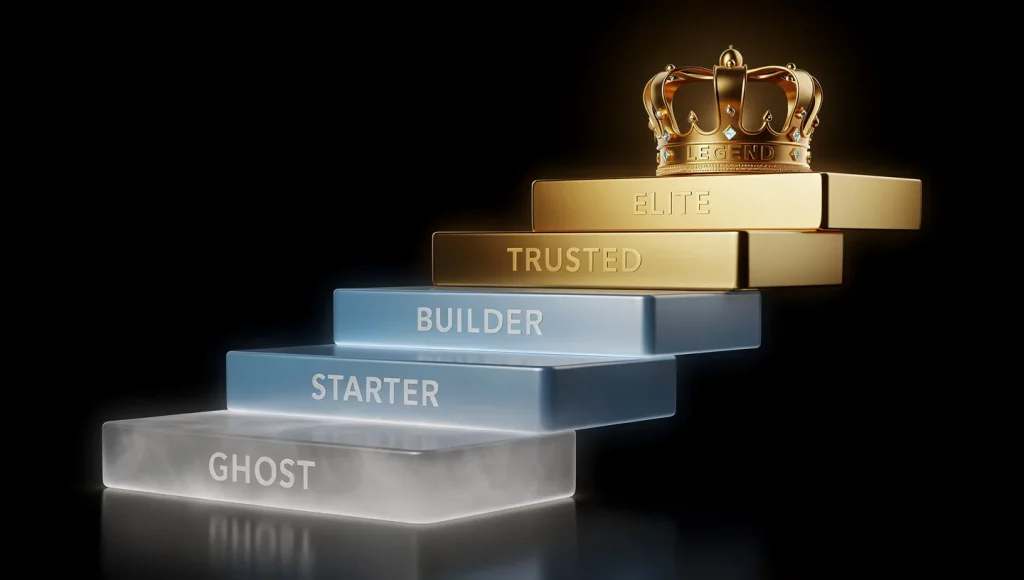
The GHOST → STARTER → BUILDER → TRUSTED → ELITE → LEGEND system mirrors how trust actually develops — gradually, through verified actions, with each tier requiring more investment. Binary badges say “yes/no.” Trust Tiers say “how much.”
Trust scores are portable across every dating platform
Unlike badges that exist only within one app, a GuyID Trust Profile works on Tinder, Bumble, Hinge, WhatsApp, Instagram, text — everywhere. When platform-specific badges disappear at transitions, trust scores persist.
Scammers cannot accumulate meaningful trust scores
Government ID verification eliminates fake identities. Social vouching requires real people. Progressive tiers require sustained behavior over time. Every component of a dating trust score is designed to be impossible for scam operations to replicate at scale.
What Is a Dating Trust Score?
A dating trust score is a multi-dimensional measurement of a person’s verified trustworthiness in the dating context. It answers the question that dating app badges can’t: “How much should I trust this person based on what has been independently verified about their identity, character, and behavior?”
What a Dating Trust Score Measures
A comprehensive dating trust score integrates three distinct trust dimensions that together provide a meaningful assessment of trustworthiness.
- Identity verification: Has the person’s legal identity been confirmed through government-issued documents? This confirms they are who they claim to be — the foundational trust layer that no dating app provides.
- Social vouching: Do real people — friends, colleagues, community members — confirm this person’s identity and vouch for their character? This adds the human judgment dimension that documents and algorithms can’t replicate.
- Behavioral trust: Has the person demonstrated trustworthy behavior consistently over time? This adds the temporal dimension — trust isn’t a point-in-time check but an ongoing demonstration.
What a Dating Trust Score Is NOT
- Not a background check: A dating trust score doesn’t access criminal records or screen for legal history. It measures verified identity and demonstrated trustworthiness — a different and complementary dimension from criminal screening. See our background check guide for that topic.
- Not a compatibility score: Trust scores don’t measure romantic compatibility, shared interests, or relationship potential. They measure whether a person is verified, vouched-for, and trustworthy — the safety prerequisite that compatibility assessment should follow, not replace.
- Not a guarantee: No trust system is infallible. A dating trust score dramatically reduces risk by confirming identity and character through multiple independent verification methods — but it’s a trust indicator, not an absolute guarantee. It provides the information needed to make informed trust decisions.
Why Dating Apps Need Trust Scores: The Problem with Binary Badges
Understanding why binary badges fail explains why dating trust scores are necessary.
Binary Badges Tell You Almost Nothing
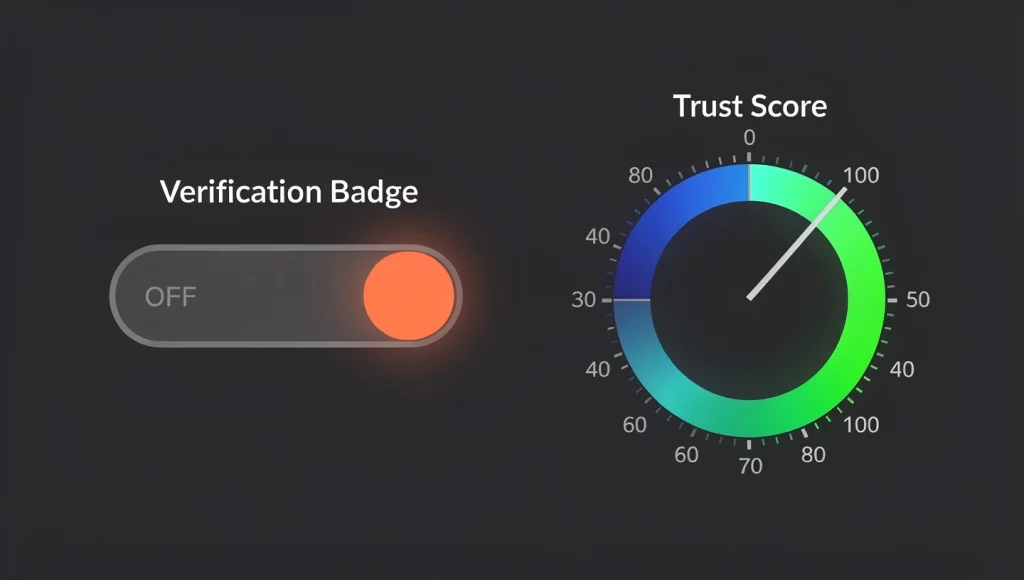
Verified on dating apps means one thing: a selfie matched profile photos. The badge doesn’t confirm name, age, career, relationship status, character, intentions, or criminal history. It’s a single binary data point — yes/no — about the narrowest possible trust dimension (facial similarity). Making trust decisions about meeting strangers based on this single binary signal is like choosing a restaurant based solely on whether the building exists — technically relevant but wildly insufficient.
Binary Creates False Confidence
Users extend trust calibrated to comprehensive verification based on a badge that provides photo matching. This false confidence is the perception gap that organized scammers (FTC) exploit — a verified scammer receives the entire trust premium while providing no more actual safety than an unverified profile.
Binary Can’t Distinguish Trust Levels
In real relationships, trust is a spectrum. You trust a stranger less than an acquaintance, an acquaintance less than a friend, and a friend less than a lifelong confidant. Binary badges collapse this spectrum into two states: verified or not. A person who just passed a 30-second selfie check and a person who has maintained verified identity, social vouches, and consistent trustworthiness for a year receive the same label. A dating trust score preserves the spectrum — providing graduated trust information that matches how trust actually works in human relationships.
How a Dating Trust Score Works: The GuyID Model
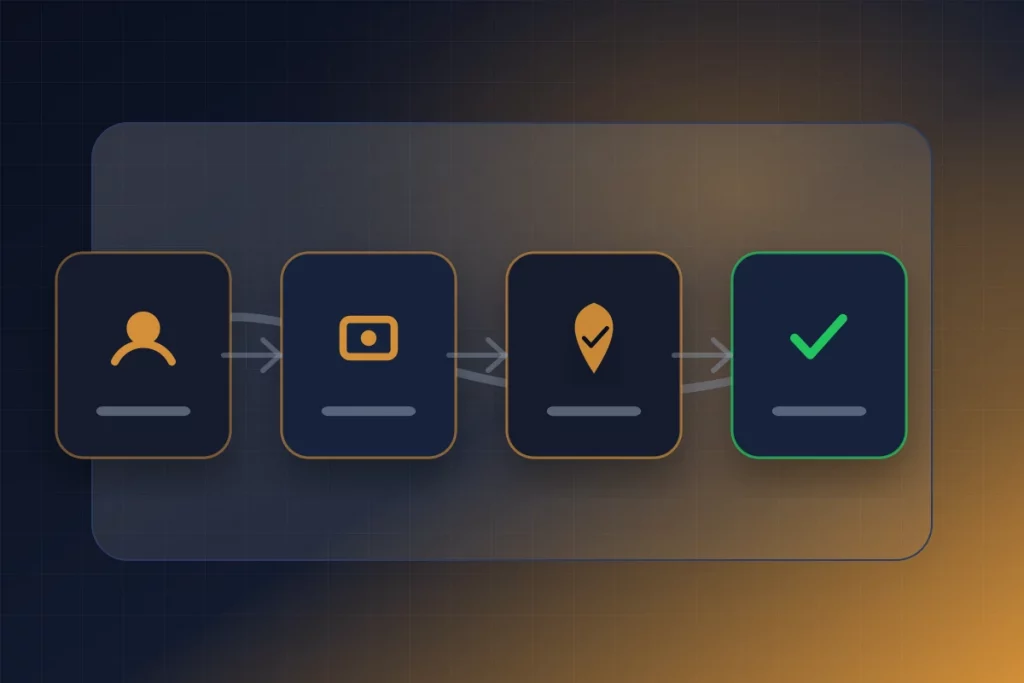
GuyID pioneered the dating trust score concept through its Trust Tiers system — a progressive, multi-dimensional trust assessment that replaces binary badges with graduated trust levels. Here’s how the system works.
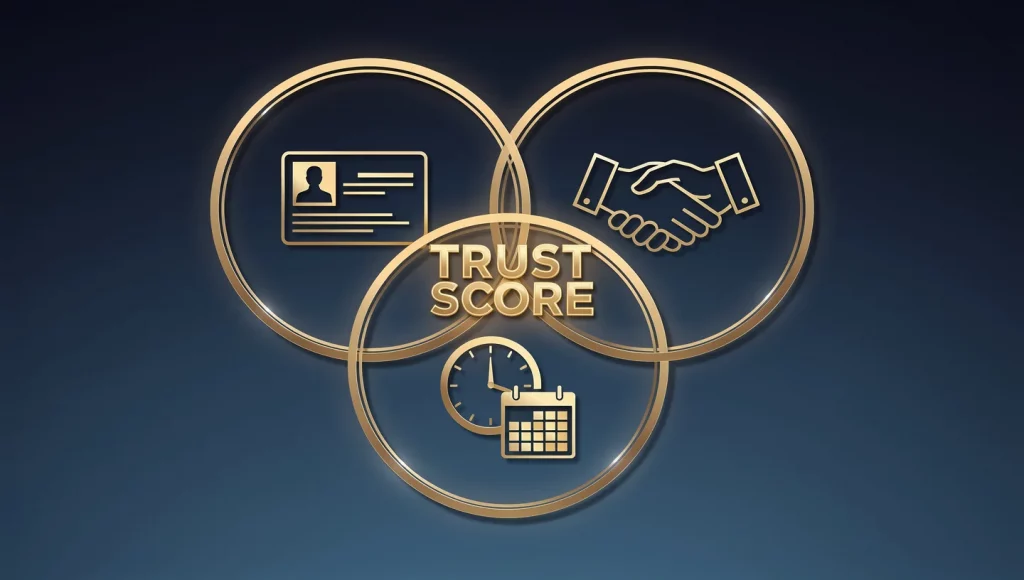
The Three Trust Pillars
GuyID’s dating trust score is built on three pillars, each measuring a different dimension of trustworthiness.
| Trust Pillar | What It Measures | How It’s Verified | What It Catches |
|---|---|---|---|
| Identity | Legal identity — real name, real face matched to government documents | Biometric matching against government-issued ID (passport, driver’s license, national ID) | Fake profiles, AI-generated identities, stolen identities, catfish |
| Character | Social reputation — how real people who know this person assess their character | Social vouching from verified individuals who confirm identity and vouch for character | Verified identities with bad character, people whose document identity is real but whose behavior is problematic |
| Consistency | Sustained trustworthiness — demonstrated reliable behavior over time | Progressive Trust Tier advancement through consistent verified actions | Disposable scam accounts, newly created profiles, people who can’t maintain trust over time |
Each pillar addresses what the others can’t. Identity verification confirms you exist as claimed — but doesn’t confirm character (real people can be untrustworthy). Social vouching confirms character — but requires identity to be meaningful (an anonymous vouch is worthless). Consistency confirms sustained behavior — but requires both identity and character as a foundation. Together, the three pillars create a trust assessment that no single method can achieve alone.
The Trust Tiers: GHOST to LEGEND
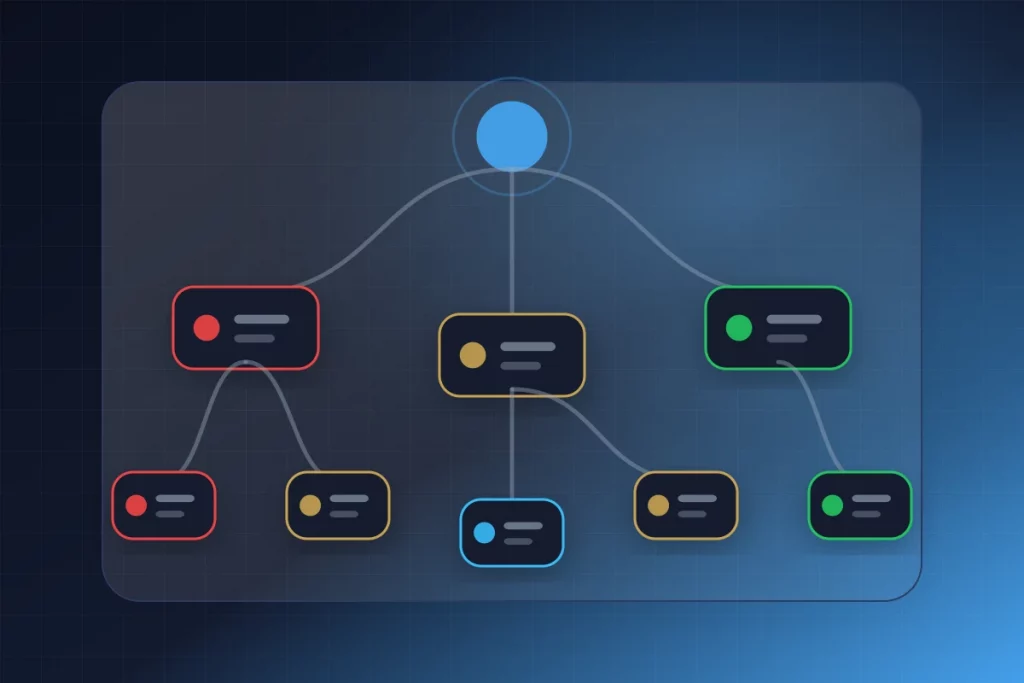
GuyID’s dating trust score is expressed through six Trust Tiers — each representing a progressively higher level of verified trustworthiness. The user-facing experience emphasizes tier names and journey progress rather than numerical scores, creating an intuitive trust signal that anyone can understand at a glance.
| Tier | What It Means | What’s Been Verified | Trust Signal Strength |
|---|---|---|---|
| GHOST | Just arrived — no verification completed | Account created, nothing verified | Minimal — equivalent to a brand-new profile |
| STARTER | Beginning the trust journey | Basic profile completed, initial verification steps taken | Low — showing intent but unverified |
| BUILDER | Actively building trust | Progressive verification actions in progress | Medium — invested but not yet fully confirmed |
| TRUSTED | Identity confirmed and vouched for | Government ID verified + social vouches received | High — real identity confirmed by documents and people |
| ELITE | Deeply verified with sustained trust | Full verification + multiple vouches + sustained trustworthiness | Very High — comprehensive and sustained trust demonstrated |
| LEGEND | Maximum verified trust | Complete verification across all dimensions + long-term consistency | Highest — the gold standard of dating trustworthiness |
The Journey, Not the Destination
The tier system is designed as a journey: GHOST → STARTER → BUILDER → TRUSTED → ELITE → LEGEND. Each step up requires additional verified actions — more vouches, more time, more consistency. This progressive model means a scammer can’t shortcut to TRUSTED in a day the way they can obtain a dating app verification badge in 30 seconds. The time and verification investment required at each tier is the defense mechanism — it costs genuine effort to advance, effort that disposable scam operations cannot invest at scale.
Why Tier Names, Not Numbers
GuyID uses tier names rather than numerical scores because trust is qualitative, not quantitative. “TRUSTED” communicates meaning instantly — this person’s identity is verified and real people vouch for them. “73 out of 100” requires interpretation and invites gaming (“how do I get to 80?”). The tier names create an intuitive, immediately understandable trust signal: you know what GHOST means (nothing verified) and what TRUSTED means (identity and character confirmed) without any explanation needed.
What Each Trust Component Measures
Government ID Verification: The Identity Foundation
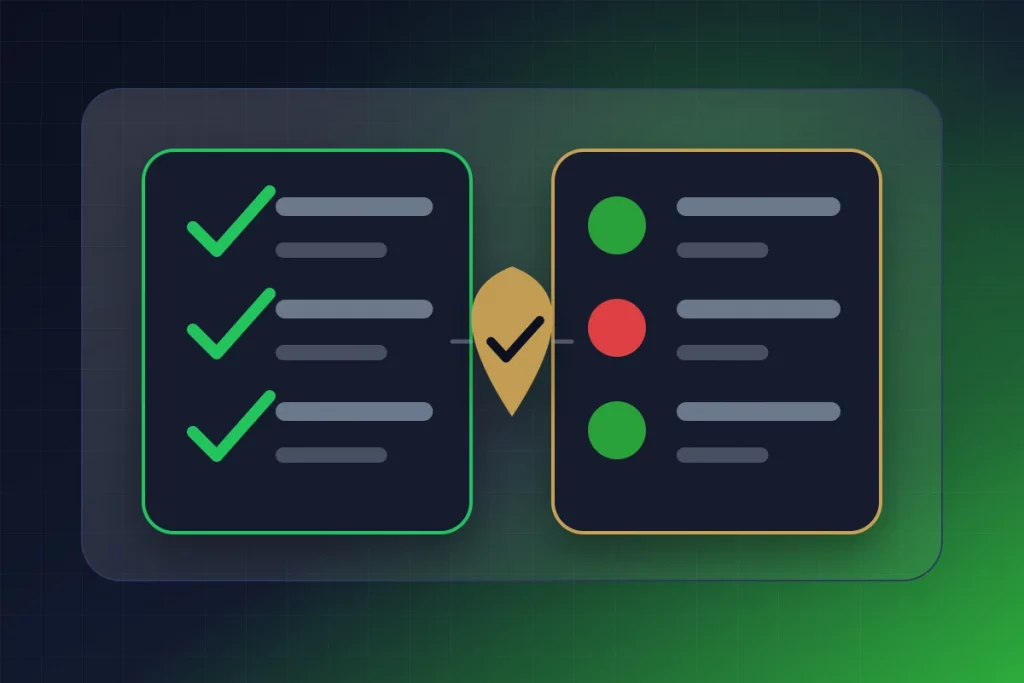
Government ID verification is the foundation of any meaningful dating trust score. Biometric matching against a government-issued document (passport, driver’s license, national ID) confirms: the person’s legal name matches their claimed identity, their face matches the document’s biometric photo, and a government has verified their existence through an official document issuance process.
This is the verification level used in banking, travel, and employment — applied to dating for the first time through consent-based verification. It eliminates every form of identity fraud: fake profiles with invented identities, AI-generated identities that exist only digitally, stolen identities being used by someone other than the document holder, and catfish using someone else’s photos with a fake name. AI cannot generate legitimate government documents with valid biometric data — making government ID verification the one trust layer that AI-era scams cannot defeat.
Social Vouching: The Character Dimension
Social vouching adds what no document or algorithm can provide: human judgment about character. When a real person — a friend, colleague, or community member — vouches for someone on GuyID, they’re staking their own reputation on the vouched person’s identity and character. Each voucher is a real human confirming: “I know this person. They are who they say they are. I’m willing to associate my name with theirs.”
This provides the character assessment that identity verification alone can’t deliver. A verified identity with zero vouches is real but unassessed — you know who they are but not whether anyone trusts them. A verified identity with multiple vouches is both real and character-assessed — you know who they are and that real humans in their life trust them enough to publicly confirm it.
Trust Tier Progression: The Time Dimension
Time reveals what point-in-time checks can’t. A person who maintains TRUSTED tier status over months demonstrates sustained trustworthiness — consistent verified behavior over a meaningful period. A scammer operating a disposable identity for a weeks-long pig butchering operation cannot accumulate this temporal trust because the account will be abandoned or reported before tier advancement occurs. Progressive tiers add the time dimension that binary badges — granted in seconds and valid indefinitely — completely miss.
Why Progressive Trust Beats Binary Badges
The shift from binary verification badges to progressive dating trust scores represents a fundamental upgrade in how dating safety works.
Binary: All or Nothing
A verification badge says: you’re either verified or you’re not. There’s no graduation between “just passed a selfie check 10 seconds ago” and “has been a consistently trustworthy, identity-verified user for two years.” Both receive the same badge. Both get the same trust premium. The binary model provides one bit of information — verified/not — when the trust decision requires much more.
Progressive: Proportional to Investment
A dating trust score through Trust Tiers says: this person has invested exactly this much in verified trustworthiness. GHOST = nothing. STARTER = some intent. BUILDER = active investment. TRUSTED = identity confirmed + character vouched. ELITE = deeply verified. LEGEND = maximum trust. Each tier communicates a proportionally different trust signal — enabling proportionally different trust decisions.
Why This Matters for Your Safety
When a person you match with on any dating app shares their GuyID Trust Profile link, you see their tier — and you know exactly what it means. A GHOST profile tells you they haven’t verified anything (proceed with maximum caution and full screening through GuyID’s free tools). A TRUSTED profile tells you their government ID is confirmed and real people vouch for them (significant trust signal — proceed with normal dating practices). The tier translates directly into the appropriate level of trust to extend — replacing the false binary confidence of dating app badges with graduated, meaningful trust information.
How Dating Trust Scores Change the Equation for Everyone
For Women
The dating trust score gives women what they’ve been asking for: verified information about the identity and character of people who want to date them — before meeting, before sharing personal information, before investing emotionally.
For Men
A TRUSTED or ELITE tier on GuyID says more about a man’s character than any dating app bio — because it’s verified, not self-reported.
For the Dating Ecosystem
When dating trust scores become normalized — when asking for a GuyID link is as standard as asking for an Instagram — the entire dating ecosystem shifts. Verified users match with verified users. Unverified profiles face higher scrutiny. Scam operations that depend on anonymous, disposable identities become structurally impossible at scale. The trust gap that currently exists on every dating platform begins to close — not through any single app’s features but through an external trust layer that works across all of them.
How to Check Someone’s Dating Trust Score
Checking someone’s dating trust score on GuyID is simple, free for women, and takes about 2 minutes.
Step 1: Ask for Their GuyID Link
During any dating conversation — on the app, on WhatsApp, via text — ask: “I take safety seriously when meeting people online — do you have a GuyID Trust Profile?” Most people share their Date Mode link naturally. The response itself is diagnostic: people with verified trust profiles share them readily. People without verified identities deflect.
Step 2: View Their Trust Profile
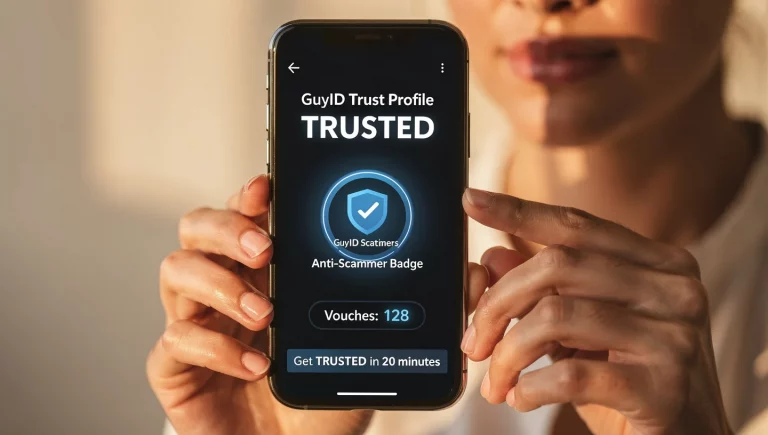
Click the shared link. The Trust Profile displays their Trust Tier (GHOST through LEGEND), verification status (government ID confirmed or not), social vouching status (number and quality of vouches), and the Anti-Scammer badge (if applicable — activated when ID verification is complete). All of this is visible in a clean, immediately understandable format.
Step 3: Calibrate Your Trust Accordingly
Use the tier to inform your trust decisions. GHOST or STARTER → maximum caution, full screening with GuyID’s free tools. BUILDER → moderate caution, continue verification. TRUSTED or above → strong positive signal, proceed with standard first date safety practices. The tier doesn’t replace your judgment — it informs it with verified data.
Summary: The Future of Dating Safety Is Trust Scores, Not Badges
A dating trust score represents the evolution from binary photo-matching badges to progressive, multi-dimensional trust assessment. The current model — verified or not, based on a selfie check — provides one bit of information about the narrowest possible trust dimension. The trust score model — GHOST through LEGEND, based on government ID + social vouching + sustained behavior — provides graduated, meaningful trust information that mirrors how trust actually develops in real relationships.
GuyID’s Trust Tiers are the first implementation of this model in dating: progressive tiers that can’t be shortcut, built on three pillars (identity, character, consistency) that together catch every form of dating fraud from basic catfish to AI-generated identities to sophisticated financial exploitation. Portable across every platform. Free for women to check. Designed so that scam operations structurally cannot replicate meaningful tier advancement at scale.
The trust gap in online dating exists because platforms verify photos when users need verified trust. The dating trust score closes that gap — not by replacing dating apps but by adding the trust layer they all lack. The question isn’t whether trust scores will become standard in dating — it’s how quickly. They deserve a dating trust score.
Trust Isn’t Binary. Your Verification Shouldn’t Be Either.
GuyID’s Trust Tiers replace binary badges with progressive, verified trust: government ID + social vouching + sustained trustworthiness. From GHOST to LEGEND — a trust journey that scammers can’t shortcut. Women check for free. Build your Trust Tier today.
Try Free Safety Tools
Build Your Trust Score
Frequently Asked Questions
What is a dating trust score?
How is a dating trust score different from a verification badge?
How do GuyID’s Trust Tiers work?
Is a dating trust score the same as a background check?
How do I build my own dating trust score?
Will dating apps adopt trust scores?
What Trust Tier should I look for before meeting someone?
Evidence note
NIST Digital Identity Guidelines distinguish identity proofing, authentication, and federation as separate parts of digital identity risk management (NIST, 2025).