Reader Briefing
Reader Briefing
Start here if you need a practical read on safe dating apps for women: the complete 2026 ranking & safety guide: who should use verification, what signals to check, and what to do before moving from online interest to an in-person plan.
Who this is for
- People meeting someone from a dating app or social platform.
- Readers preparing for a first in-person date.
- Anyone checking identity, profile consistency, and trust signals.
- People trying to avoid romance scams, fake profiles, or pressure tactics.
You’ll learn
- How to evaluate identity signals without treating any single check as certainty.
- Which trust signals matter and how to weigh them together.
- How to spot inconsistencies, pressure, or behavior patterns that deserve caution.
- How to move from online conversation to a safer first meeting.
- Where GuyID tools fit into a quick pre-date screening workflow.
- How to compare options using practical safety and trust criteria.
Bottom line
Verification reduces uncertainty; it does not guarantee future behavior. Use a layered approach: confirm identity signals, compare profile consistency, ask for a short video call, keep early plans public, and slow down when someone pressures you to skip normal safety steps.
Key takeaways
- Identity verification improves confidence, not certainty.
- Patterns matter more than isolated incidents.
- Verify before meeting privately or sharing sensitive details.
- A short video call can reveal many inconsistencies.
- Pressure to skip reasonable safety steps is useful information.
Free Tools
Catfish Probability Detector
Check whether a dating profile has suspicious identity or photo signals.
Dating Bio Red Flag Detector
Review a bio for scam, pressure, or trust-warning language.
Dating Safety Checklist
Use free GuyID tools before moving from chat to a real date.
Next step
Create your GuyID trust profile
Share consent-based trust signals before a date without turning the conversation into an interrogation.
Finding safe dating apps for women isn’t about which app has the best marketing — it’s about which platforms provide structural protections that address the specific threats women face, and what supplementary tools close the gaps that every app leaves open.
This guide evaluates every major dating platform through the lens of women’s safety specifically — not generic safety rankings but assessments weighted toward the threats women disproportionately encounter. We rank the safest dating apps for women, explain which safety features actually help women versus which are marketing theater, and provide the complete safety protocol that makes any platform safe enough for women who refuse to compromise their security for connection.
NavigateTable of Contents30 sections
⚡ Key Takeaways
Bumble is the #1 safest dating app for women
Women-first messaging is the single most impactful safety feature for women in online dating. It prevents unsolicited contact, gives women control over which conversations begin, and structurally reduces harassment. No other platform offers this.
Women face a broader threat spectrum than men
Men are more frequently targeted by financial scams. Women face financial scams PLUS physical safety threats, sexual harassment, unsolicited explicit content, stalking, and reproductive coercion. Safe dating apps for women must address this full spectrum.
No app verifies identity — the gap that matters most for women
Every dating app verifies photos only. The person behind the profile could be anyone — with any criminal history, any relationship status, any intentions. Verified doesn’t mean safe.
GuyID was designed with the principle that safety information should never have a financial barrier for women. Check any match’s government ID verification, social vouches, and Trust Tier at zero cost.
Why Women Face Different Dating App Threats Than Men
Before ranking the safest dating apps for women, understanding why women’s safety calculus is fundamentally different from men’s explains why generic safety rankings don’t adequately serve women.
The Broader Threat Spectrum
Men on dating apps primarily face financial threats — romance scams, pig butchering investment fraud, and catfishing. The primary male threat is financial extraction through emotional manipulation.
Women face these same financial threats PLUS an additional spectrum: physical safety threats when meeting strangers, sexual harassment and unsolicited explicit content through dating app messaging, stalking (both digital and physical), date-related sexual assault, reproductive coercion, and emotional abuse patterns that begin during the dating app phase. The trust gap in online dating hits women harder because the range of potential harms is wider and includes physical safety — not just financial safety.
The Safety Calculus Women Perform
Every time a woman considers meeting someone from a dating app, she performs a risk assessment most men never think about: Will I be physically safe alone with this person? Should I share my location with a friend? Should I drive myself so I can leave independently? What if he becomes aggressive when I set a boundary? Is the venue public enough that I can get help if needed? Should I keep my drink in sight at all times?
This mental labor — constant, exhausting, and applied before every date — is the lived experience of dating while female in 2026. The safest dating apps for women are the ones that reduce this cognitive burden by providing structural protections, verified identity information, and safety features that address the full threat spectrum — not just photo matching.
Virtually every woman who dates online carries safety concerns. The safest dating apps for women are the ones that meaningfully address those concerns rather than dismissing them with badge-level verification.
The Safest Dating Apps for Women: Ranked
This ranking evaluates the safest dating apps for women specifically — weighted toward the threats women disproportionately face: unsolicited contact, physical safety, harassment, and the full-spectrum threat environment described above.
| Rank (Women) | App | Key Women’s Safety Feature | Women’s Score |
|---|---|---|---|
| #1 | Bumble | Women-first messaging eliminates unsolicited contact | Strongest overall for women |
| #3 | The League | LinkedIn requirement + curated matching reduces casual threats | Strong — most screening, smallest pool |
| #4 | Tinder | Largest user base, basic verification, open messaging | Medium — high volume creates high exposure |
| #5 | OkCupid | Deep compatibility data, standard verification | Medium — profile depth helps, safety features lag |
| #6 | Facebook Dating | Mutual friends signal, but hacked account risk + older demographic targeting | Below average — hacked accounts create unique risk |
#1 for Women: Bumble — Women-First Messaging Changes Everything
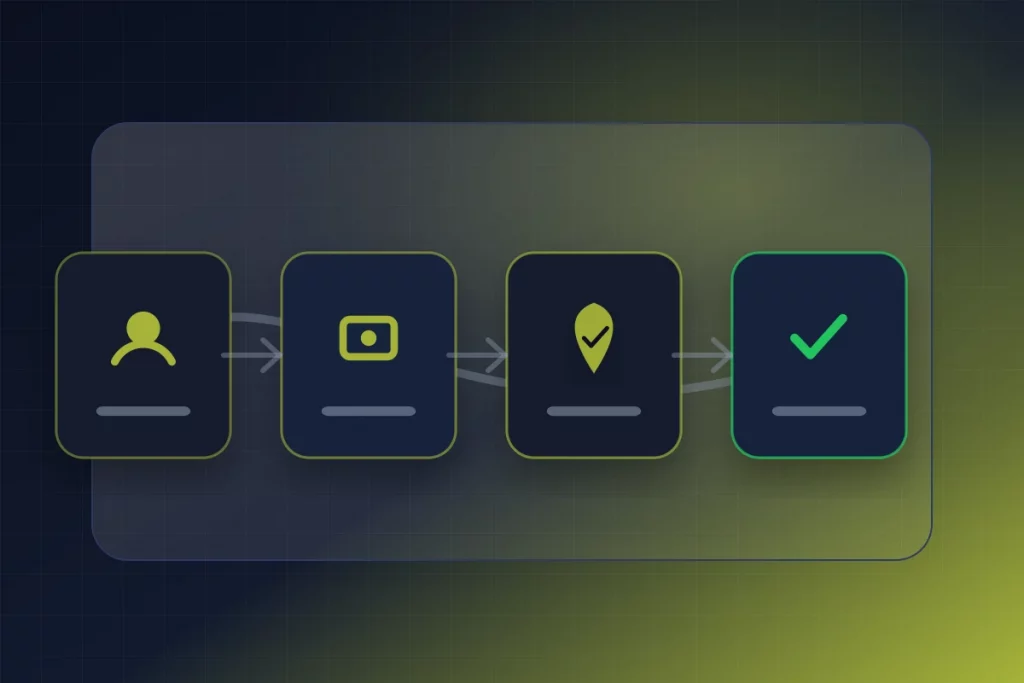
Bumble earns the #1 position among safe dating apps for women for one feature that no other major platform offers: women-first messaging. In heterosexual matches, only women can send the first message. This structural design decision has cascading safety implications that go far beyond convenience.
Why Women-First Messaging Is Transformative for Safety
- Eliminates unsolicited contact: On platforms with open messaging (Tinder, POF), women receive floods of unsolicited messages — including harassment, explicit content, and scam pitches. On Bumble, no man can contact a woman unless she initiates. The woman controls which conversations exist.
- Reduces harassment exposure: The primary vector for dating app harassment — men sending unwanted messages to women — is structurally blocked. A man who might send aggressive or explicit messages on Tinder literally cannot reach women on Bumble unless the woman chooses to engage first.
- Creates agency: The psychological impact of controlling conversation initiation is significant. Women on Bumble aren’t reacting to an inbox full of strangers — they’re choosing which matches to engage with on their own timeline. This agency reduces the overwhelm and anxiety that the trust gap creates on other platforms.
- Forces men to invest in profiles: Because women choose who to message, men who want matches on Bumble must create higher-quality profiles with better photos, more thoughtful bios, and verification badges. This competitive dynamic elevates the average profile quality — benefiting women’s experience.
Bumble’s Additional Women’s Safety Features
Where Bumble Still Falls Short for Women
Women-first messaging doesn’t prevent women from choosing to message a scam profile — if the scammer’s profile is convincing, the woman initiates the conversation herself. Verification confirms photos, not identity. Once conversation begins, all standard scam techniques (love-bombing, WhatsApp migration, financial requests) proceed identically to other platforms. And no background check or character assessment exists. Bumble is the safest starting point — but it’s still a starting point, not a complete safety solution.
#2 for Women: Hinge — Deepest Connections, Strongest Verification
Why Hinge Works for Women’s Safety
- Strongest verification creates strongest trust signal: Hinge’s video selfie verification is the most robust photo-matching system available.
- Engagement-based matching: Users must like specific photos or prompts with comments — forcing personalized engagement rather than mass-swiping. This creates more intentional interactions and increases the effort required for scam operations per target.
- Prompt-based profiles provide detection signals: Generic prompt answers (“A life goal: to be happy”) are easier to identify as potential fakes than generic short bios. Women can assess authenticity through the specificity and personality of prompt responses.
- “Designed to be deleted” attracts relationship-focused users: Hinge’s positioning creates a user base where the average intention is more serious than Tinder’s. For women seeking relationships rather than casual encounters, this self-selection is a safety advantage — fewer users with exploitative short-term intentions.
Hinge’s Women-Specific Risk
The same depth of engagement that makes Hinge good for genuine connection creates higher-stakes scam risk when fraud occurs. Women who invest deeply in Hinge conversations — sharing values, vulnerabilities, and future hopes through prompts — create exactly the emotional leverage that pig butchering and long-con scams exploit. Hinge’s lack of in-app video calling in most regions means women must share phone numbers or use external apps for live verification — an additional friction point that Bumble’s built-in calling avoids.
#3 for Women: The League — Most Screening, Smallest Pool
The League earns #3 among safe dating apps for women for its LinkedIn requirement and curated matching — which create higher barriers to entry that reduce casual threats and low-effort scam profiles.
Why The League Works for Women
LinkedIn authentication requires a professional profile with real work history — adding an identity layer that catches casual fakes. Curated matching with a waitlist creates exclusivity that scam operations find inefficient to exploit. The professional-skewing user base self-selects for users with verifiable careers and real professional networks. For women in major cities who prioritize career-match dating, The League provides a higher-screening environment than mainstream platforms.
The League’s Limitations for Women
Small user base limits options. Available primarily in major metropolitan areas. LinkedIn profiles can be fabricated (though harder than dating bios). The League’s exclusivity positioning may prioritize status over safety. And like every platform, no government ID verification or character assessment exists.

Apps Women Should Approach with Extra Caution

Certain platforms in the safe dating apps for women ranking require additional vigilance due to specific vulnerabilities that disproportionately affect women.
Tinder: High Volume = High Exposure
Tinder’s 75+ million users and open messaging create the highest-volume contact environment. Women on Tinder receive more matches, more messages, and more scam attempts than on smaller platforms. The swipe-based model encourages speed over scrutiny — 2-3 seconds per evaluation, insufficient for meaningful safety assessment. Women who use Tinder should apply the maximum proactive safety protocol on every match.
POF: Maximum Risk for Women
Women on POF face the highest probability of scam contact and the fewest platform-provided protections. If you use POF, every safety step described in this guide is essential for every single contact.
Facebook Dating: Hacked Account Risk + Older Women Targeted
Facebook Dating’s hacked account vulnerability creates scam profiles with years of genuine social proof. Women over 40-50 on Facebook Dating face the intersection of the platform’s hacked account risk and the demographic targeting of older women by romance scammers. The mutual friends feature is valuable when the account is genuine — but provides false reassurance when the account is compromised.
Safety Features That Actually Protect Women vs Marketing Theater
Not all safety features marketed to women on dating apps provide meaningful protection. Understanding the difference is essential for evaluating safe dating apps for women honestly.
Features That Actually Help Women
- Women-first messaging (Bumble): Structurally prevents unsolicited contact. Reduces harassment. Creates agency. This is the most impactful women’s safety feature in online dating.
- In-app video calling (Bumble): Enables live verification without sharing phone numbers — eliminating a privacy risk that disproportionately affects women (reverse phone lookup can reveal home address, workplace, etc.).
- Image screening (Bumble Private Detector): AI detection of potentially explicit images before they’re viewed. Addresses unsolicited explicit content — a threat that predominantly targets women.
- Video selfie verification (Hinge): Strongest available photo matching provides the most reliable confirmation that profiles show real people.
Features That Sound Good but Provide Limited Women-Specific Protection
- Static selfie verification (Tinder): Catches basic catfish but doesn’t address harassment, physical safety, identity deception, or the broader threat spectrum women face. A verified profile can still belong to a harasser, a married person, or someone with criminal history.
- Block and report tools (all platforms): Useful after an incident — but reactive, not preventive. By the time a woman blocks and reports, the negative experience has already occurred. Prevention (women-first messaging, identity verification) is more valuable than response.
- “Safety center” pages (all platforms): Generic advice articles within dating apps that repeat basic tips (“meet in public,” “tell a friend”). While not harmful, these don’t provide tools, verification, or structural protection — they shift the burden of safety onto the user without providing the infrastructure to implement it.
The Complete Women’s Dating Safety Protocol
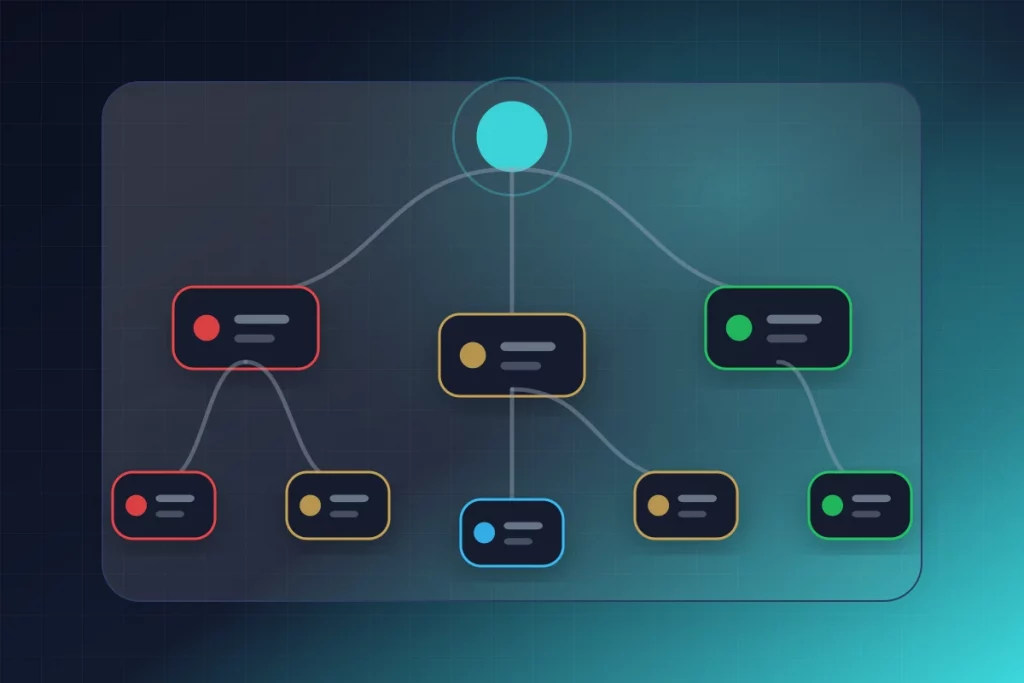
The safest dating app for women is whichever one a woman supplements with this comprehensive protocol. The platform provides a foundation. These steps provide the layers that close every gap.
🟢 Profile Setup (Before You Start)
☐ Get verified on your dating app (matching advantage + basic trust signal)
☐ Consider using a Google Voice number instead of your real phone number
☐ Audit your social media privacy — can a stranger find your address or workplace?
☐ Avoid geotagged photos that reveal your home, gym, or workplace location
☐ Set up GuyID’s free safety tools as your screening toolkit
🟡 For Every Match (Non-Negotiable)
☐ Reverse image search all photos via GuyID (30 sec)
☐ Catfish probability check (10 sec)
☐ Bio red flag check (10 sec)
☐ Watch for romance scam signs and catfish indicators
☐ Video call within the first week (with deepfake testing)
🔵 Before Meeting (Critical for Physical Safety)
☐ Ask for their GuyID Trust Profile — check for FREE
☐ Cross-reference name on LinkedIn/Instagram/Facebook
☐ Tell a friend: who, where, when + share match’s photo
☐ Set a check-in time (“text me at 8pm, call if I don’t respond”)
☐ Share your live location with your friend
☐ Public, well-lit, populated venue — no exceptions for first dates
☐ Arrange your own transportation — never get picked up at home
🟣 During the Date
☐ Confirm they match their profile and video call
☐ Keep your drink in sight at all times
☐ Watch for in-person red flags: control behaviors, isolation attempts, boundary testing
☐ Trust your instincts — leave if something feels wrong, zero guilt
☐ Text your check-in friend on schedule
☐ NEVER send money in any form — zero exceptions
☐ NEVER share your home address until trust is deeply established
☐ NEVER share financial information
☐ Don’t let anyone photograph your ID, credit cards, or documents
☐ Report immediately if money is requested or threatening behavior occurs
How GuyID Was Built for Women’s Safety
GuyID was designed from the ground up with women’s safety as a core principle — not as an afterthought or a marketing angle. Understanding how GuyID serves women explains why it’s the most important supplement to any dating app for women’s safety.
Women can check any GuyID Trust Profile at zero cost — permanently. This isn’t a trial period, a limited feature, or a promotional offer. It’s a core design principle: the safety information women need should never be behind a paywall.
Confirms What Women Actually Need to Know
Women don’t just need to know if someone’s photos are real — they need to know if the person behind the photos is who they claim to be and whether real people vouch for their character. GuyID’s consent-based verification provides exactly this: government ID confirmation (legal identity verified), social vouching (friends and colleagues confirm character), and Trust Tiers (sustained trustworthiness over time). This is the safety information women’s trust gap demands and no dating app provides.
Works Across Every Platform and Channel
The portable Date Mode link works on Bumble, Hinge, Tinder, WhatsApp, Instagram, text — everywhere. When safety features disappear as conversations move off-platform (which is exactly when physical safety decisions are being made), GuyID’s verification persists. The trust information a woman checks on Bumble continues confirming identity on WhatsApp, through the first meeting, and beyond.
60+ Free Safety Tools for Screening
GuyID’s free safety tools — reverse image search, catfish probability detector, bio red flag analyzer, and dozens more — provide women with the screening infrastructure that no dating app offers. These tools are free, require no account creation, and catch the majority of fake profiles before a woman invests any emotional energy.
Men Who Verify Signal Respect for Women’s Safety
The safest dating experience for women occurs when men proactively verify and women have free access to check that verification.
Summary: The Safest Way for Women to Date Online in 2026
The safest dating apps for women, ranked: (1) Bumble — women-first messaging eliminates unsolicited contact and creates structural agency. (3) The League — LinkedIn requirement and curated matching create highest screening barriers. Lower-ranking platforms (Tinder, OkCupid, Facebook Dating, POF) are usable with maximum supplementary verification but lack the structural protections that specifically address women’s threat spectrum.
But the most important finding isn’t which app ranks highest — it’s that no app is safe enough alone. Every platform scores zero on identity verification, background screening, and character assessment.
The safest dating experience for women isn’t a platform — it’s a practice.
These aren’t statistics about paranoia — they’re accurate assessments of a threat environment where organized criminals target daters daily. The safest dating apps for women are the ones women use with the tools, verification, and practices that close the gap between the safety they need and the safety platforms provide. Those tools are free. That protocol takes minutes.
Built for Women’s Safety. Free for Women. Always.
GuyID Trust Profiles are free for women to check — government ID verification, social vouching, Trust Tiers. Plus 60+ free safety tools: reverse image search, catfish detection, bio red flag analysis.
Try Free Safety Tools
Check a Trust Profile Free
Frequently Asked Questions
What is the safest dating app for women in 2026?
Why is Bumble safer for women than Tinder?
What should women do before meeting someone from a dating app?
How can men help make dating safer for women?
Evidence note
Among people who had used online dating, Pew Research Center found that 58% of women and 76% of men considered dating sites and apps safe for meeting people (Pew Research Center, 2023).
The FTC reported 64,003 romance-scam reports in 2023, with $1.14 billion in reported losses and a $2,000 median reported loss (Federal Trade Commission, 2024).