

Reader Briefing
Reader Briefing
Start here if you need a practical read on emotional abuse quiz: 20 questions to recognize the signs: who should use verification, what signals to check, and what to do before moving from online interest to an in-person plan.
Who this is for
- People meeting someone from a dating app or social platform.
- Anyone checking identity, profile consistency, and trust signals.
- People trying to avoid romance scams, fake profiles, or pressure tactics.
- Online daters improving conversations, profiles, or match screening.
You’ll learn
- How to evaluate identity signals without treating any single check as certainty.
- Which trust signals matter and how to weigh them together.
- How to spot inconsistencies, pressure, or behavior patterns that deserve caution.
- How to move from online conversation to a safer first meeting.
- Where GuyID tools fit into a quick pre-date screening workflow.
- When to slow down, ask for more context, or walk away.
Bottom line
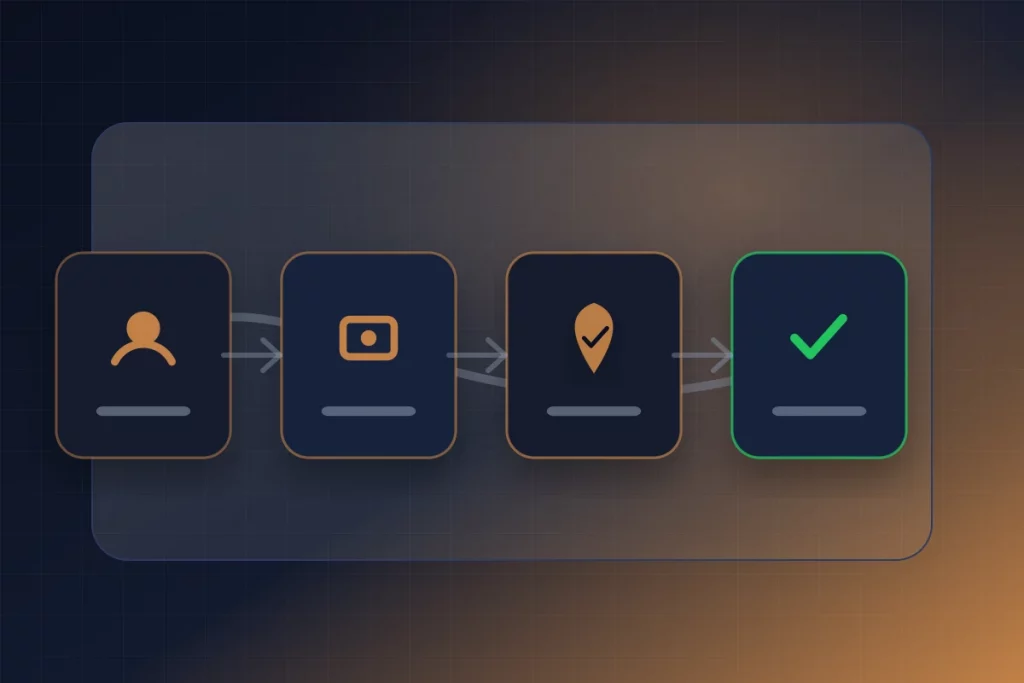
Verification reduces uncertainty; it does not guarantee future behavior. Use a layered approach: confirm identity signals, compare profile consistency, ask for a short video call, keep early plans public, and slow down when someone pressures you to skip normal safety steps.
Key takeaways
- Identity verification improves confidence, not certainty.
- Patterns matter more than isolated incidents.
- Verify before meeting privately or sharing sensitive details.
- A short video call can reveal many inconsistencies.
- Pressure to skip reasonable safety steps is useful information.
Free Tools
Catfish Probability Detector
Check whether a dating profile has suspicious identity or photo signals.
Dating Bio Red Flag Detector
Review a bio for scam, pressure, or trust-warning language.
Dating Safety Checklist
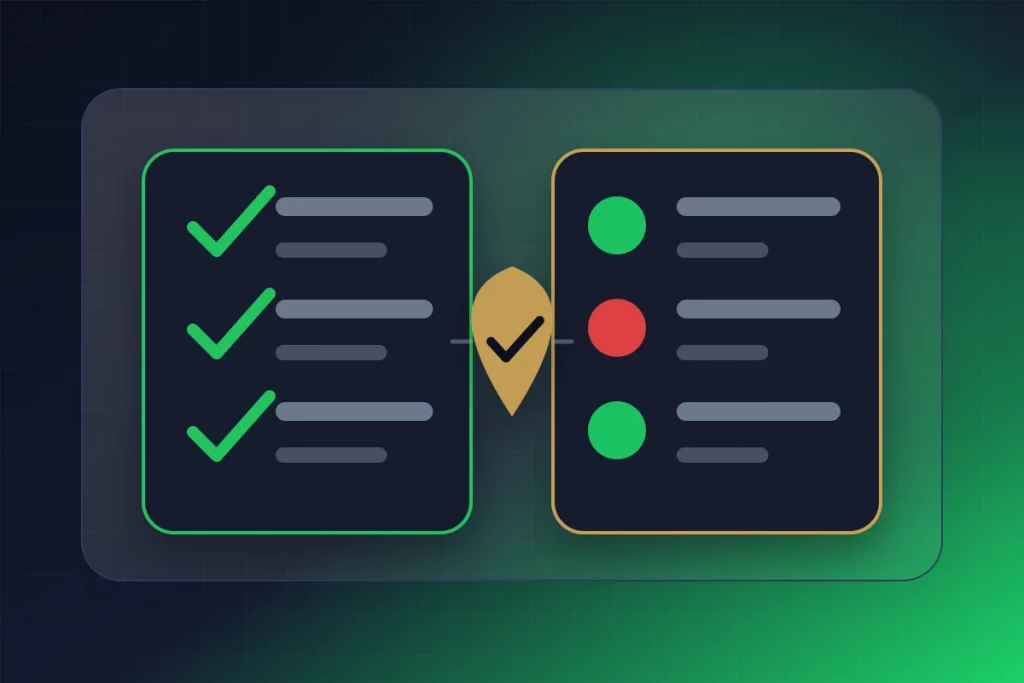
Use free GuyID tools before moving from chat to a real date.
Next step
Create your GuyID trust profile
Share consent-based trust signals before a date without turning the conversation into an interrogation.
Emotional abuse doesn’t announce itself. It doesn’t leave visible marks. It arrives disguised as concern, passion, love, or “just the way relationships are.” And because it escalates gradually — each step only slightly beyond the last — recognizing it from inside the relationship is genuinely difficult. You adjust to each new normal without registering the distance you’ve traveled from the relationship you expected. This emotional abuse quiz is designed to help you evaluate patterns in a current or recent relationship against documented indicators of emotional abuse — not to diagnose (only a professional can do that) but to help you see patterns clearly when emotional involvement may be clouding your assessment. If you recognize multiple patterns in the assessment below, that recognition is important information — and this guide provides both the framework to understand what you’re seeing and the resources to take the next step.
Whether you’re evaluating a new dating relationship, questioning patterns in an established one, or helping a friend think through their situation, this guide provides the emotional abuse recognition framework: the self-assessment, the pattern explanations, what each answer indicates, and the specific actions to take based on your results.
NavigateTable of Contents25 sections
⚡ Key Takeaways
Emotional abuse follows recognizable patterns — this assessment helps you see them
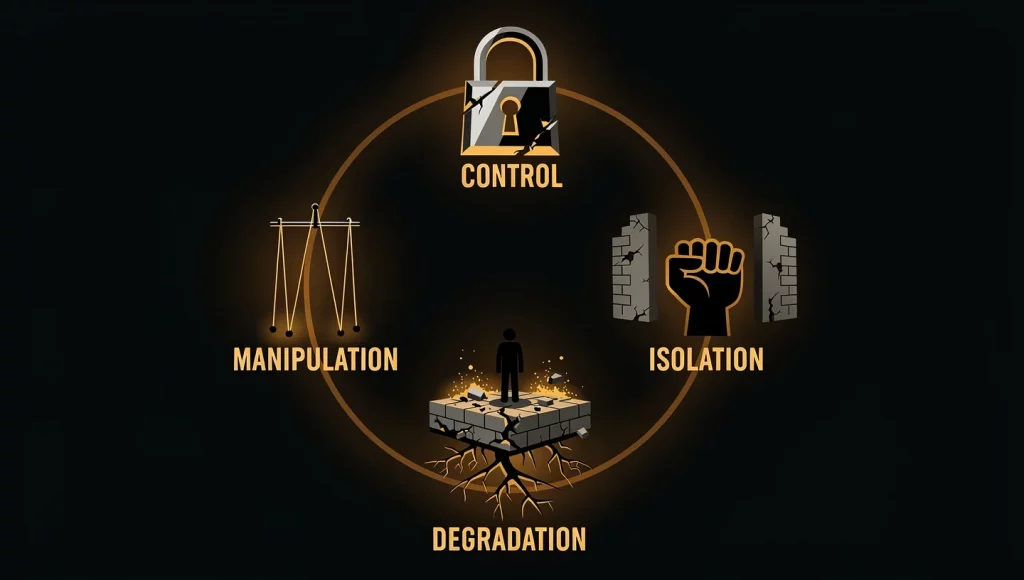
Twenty evidence-based questions evaluate behaviors across five categories: control, manipulation, isolation, degradation, and intimidation. Recognizing multiple patterns is significant — even if each individual behavior seemed minor at the time.
If you’re questioning whether it’s abuse — that question itself is meaningful
People in healthy relationships rarely ask “Is this abuse?” The fact that you’re evaluating your relationship against abuse indicators means something in the relationship prompted the question. Take that seriously.
Emotional abuse escalates gradually — making each step feel like a small adjustment
The distance from a healthy relationship to an abusive one is traveled in small increments, each normalized before the next begins. Seeing the full pattern — rather than individual incidents — is what makes recognition possible.
Early detection in dating prevents the deepening that makes exit difficult
Red flag recognition and proactive safety catch emotional abuse patterns before emotional investment, cohabitation, and financial entanglement make leaving psychologically and practically harder.
How to Use This Assessment
This emotional abuse quiz is a self-reflection tool — not a clinical diagnosis. It’s designed to help you recognize patterns by evaluating specific behaviors against documented indicators of emotional abuse.
Guidelines
- Answer based on patterns, not single incidents: Everyone has bad days. A single sharp comment during an argument isn’t a pattern. Repeated sharp comments designed to undermine your confidence IS a pattern. Evaluate whether the behavior is recurring.
- Be honest with yourself: The assessment is private. No one sees your answers. The value is proportional to your honesty — including the honesty of admitting patterns you’ve been rationalizing.
- Consider the relationship as a whole: Some questions may apply strongly, others not at all. The overall pattern across questions matters more than any single answer.
- This is not a professional assessment: If you recognize concerning patterns, the appropriate next step is speaking with a counselor, therapist, or domestic violence resource — not self-diagnosing based on an online guide. See the resources section below.
The Self-Assessment: 20 Pattern-Recognition Questions
For each question, consider whether this describes a pattern in your current or recent relationship. Not a single incident — a recurring behavior.
Category 1: Control
Q1. Does your partner need to know where you are, who you’re with, and what you’re doing — and become upset or suspicious when you don’t provide detailed accounts?
Q2. Does your partner make decisions about your shared life (plans, finances, social activities) without consulting you — and react negatively when you assert your own preferences?
Q3. Does your partner check your phone, email, or social media — or demand passwords and access to your private communications?
Q4. Does your partner tell you what to wear, how to style your appearance, or criticize your choices about your own body and presentation?
Category 2: Manipulation
Q5. After an argument, do you frequently end up apologizing — even when you believe you were right — because continuing the conflict feels emotionally unbearable?
Q6. Does your partner deny things they said or did — making you question your own memory of events? (“I never said that.” “That didn’t happen.” “You’re imagining things.”)
Q7. Does your partner use the silent treatment — withdrawing all communication for hours or days — as punishment after disagreements or when you assert a boundary?
Q8. Does your partner alternate between intense affection and cold withdrawal in ways that keep you emotionally off-balance — never sure which version you’ll get?
Category 3: Isolation
Q9. Has your contact with friends or family decreased significantly since the relationship began — not because you chose it but because your partner created conflict, made spending time with them difficult, or expressed displeasure when you did?
Q10. Does your partner criticize your friends or family members — undermining your trust in the people who know you best and might notice concerning patterns?
Q11. Does your partner become jealous or upset when you spend time with anyone other than them — including close friends, family members, or colleagues?
Q12. Do you find yourself hiding normal activities (seeing friends, making purchases, texting someone) to avoid your partner’s reaction?
Category 4: Degradation
Q13. Does your partner make comments that undermine your intelligence, competence, appearance, or worth — sometimes disguised as “jokes” or “just being honest”?
Q14. Do you feel less confident about yourself — your abilities, your appearance, your judgment — than you did before the relationship began?
Q15. Does your partner dismiss your feelings, opinions, or experiences as invalid, irrational, or “too sensitive” when you express them?
Q16. Does your partner compare you unfavorably to others — exes, friends, celebrities, colleagues — in ways that make you feel inadequate?
Category 5: Intimidation
Q17. Does your partner’s anger feel disproportionate to the situation — explosive reactions to minor issues that leave you walking on eggshells to avoid triggering another outburst?
Q18. Do you modify your behavior, opinions, or decisions to avoid your partner’s negative reaction — even when the modification contradicts what you actually want or believe?
Q19. Does your partner make threats during arguments — to leave, to reveal personal information, to take action that would harm you — as a way to end disagreement or enforce compliance?
Q20. Does your partner use anger, aggression, or intimidating behavior (slamming doors, punching walls, throwing objects, invading your physical space) during conflicts?
Understanding Your Results
This assessment doesn’t produce a score — because emotional abuse isn’t a threshold you cross at a specific number. Instead, consider the pattern your answers reveal.
| Pattern | What It May Indicate | Recommended Action |
|---|---|---|
| 0-2 questions resonate as patterns | Individual behaviors that may reflect normal relationship friction or areas for communication improvement | Address specific behaviors through direct conversation. Monitor for escalation. If the behaviors are new, note whether they repeat. |
| 3-6 questions resonate as patterns | A concerning cluster — particularly if concentrated in one category (e.g., multiple control behaviors or multiple manipulation tactics) | Speak with a trusted friend, family member, or counselor. Get external perspective — emotional abuse is harder to see from inside. Consider professional guidance. |
| 7-12 questions resonate as patterns | A significant pattern consistent with emotional abuse — especially if behaviors span multiple categories | Speak with a professional (therapist, counselor, or domestic violence resource) who can provide specific guidance for your situation. You don’t have to handle this alone. |
| 13+ questions resonate as patterns | A pervasive pattern across multiple abuse categories — consistent with a seriously harmful relationship dynamic | Seek professional support. Contact a domestic violence resource for guidance specific to your situation and safety level. Your safety — emotional and physical — is the priority. |
💡
The Most Important Indicator
If you found yourself rationalizing answers while taking this assessment — “Well, they only do that sometimes” or “It’s not THAT bad” or “They don’t mean it that way” — the rationalization itself is significant. People in healthy relationships don’t need to rationalize their partner’s behavior against abuse indicators. The need to explain away what you’re experiencing is a signal worth paying attention to.
What Emotional Abuse Looks Like in Dating — Especially Early Dating
Emotional abuse in established relationships develops over months or years. In dating contexts — particularly online dating — the patterns can appear earlier and escalate faster, because the relationship develops under conditions (digital communication, rapid intimacy norms, limited external observation) that accelerate both connection and manipulation.
In the First Weeks of Dating
- Love-bombing: Overwhelming affection, attention, and declarations of commitment disproportionate to the time elapsed. This creates emotional dependency quickly — the same dependency that later makes manipulation effective.
- Possessive language framed as devotion: “I can’t stand the thought of you with anyone else” in week 2. “I check your profile every day to make sure no one else is messaging you.” Possessiveness expressed as romantic intensity.
- Rapid escalation pressure: Pushing for exclusivity, meeting family, or moving in together on a timeline measured in weeks rather than months. The speed prevents objective evaluation of the relationship.
In the First Months
- Subtle criticism beginning: Comments about your clothes, friends, career choices, or decisions — light enough to seem like opinions but persistent enough to erode confidence.
- Monitoring patterns emerging: Frequent check-in texts that transition from sweet (“thinking of you!”) to surveillance (“where are you?” “who’s there?” “why aren’t you responding?”).
- Isolation moves beginning: Expressing discomfort with specific friends. Creating scheduling conflicts with your social plans. Expressing hurt when you choose time with others over time with them.
These early-dating patterns map directly to the relationship red flags that are detectable before emotional investment makes them harder to see. The proactive dating safety approach catches these patterns when they’re still visible — and when acting on them is still psychologically easy.
Why Emotional Abuse Is Harder to Recognize Than Physical Abuse
Understanding why the emotional abuse quiz exists — and why recognition is genuinely difficult — helps you take your results seriously rather than dismissing them.
No Visible Evidence
Physical abuse leaves marks. Emotional abuse leaves no external evidence — the damage is internal (anxiety, depression, eroded self-worth, chronic stress) and invisible to others. You can’t show someone a bruise from gaslighting. This invisibility makes it harder for the person experiencing it to validate their own experience — “Maybe I’m overreacting, there’s no evidence” — and harder for others to recognize and intervene.
Gradual Normalization
Emotional abuse rarely begins at full intensity. It starts with small behaviors that are individually defensible: a jealous comment, a dismissive response, a controlling suggestion. Each behavior is minor enough to excuse. But each one shifts the baseline of normal slightly — so that the next escalation feels like only a small step beyond the (already shifted) normal. Over months, the cumulative shift is dramatic — but from inside, each individual step felt manageable.
Intermittent Reinforcement
Emotionally abusive relationships typically alternate between harmful periods and positive periods — creating the intermittent reinforcement pattern that research identifies as the most powerful bonding mechanism in psychology. The good times feel like a return to the “real” relationship. The bad times feel like aberrations that will pass. This alternation keeps the person emotionally invested through the harmful periods because the positive periods provide just enough reward to maintain hope.
Self-Doubt as a Symptom
One of the most effective tactics in emotional abuse is gaslighting — making the target question their own perceptions. “That didn’t happen.” “You’re too sensitive.” “You’re imagining things.” When self-doubt is a symptom of the abuse, the very faculty you need to recognize the abuse (trust in your own judgment) is the faculty being undermined. This creates the circular trap that makes recognition so difficult: the abuse impairs the recognition that would identify it as abuse.
The Escalation Pattern: How Emotional Abuse Develops Over Time
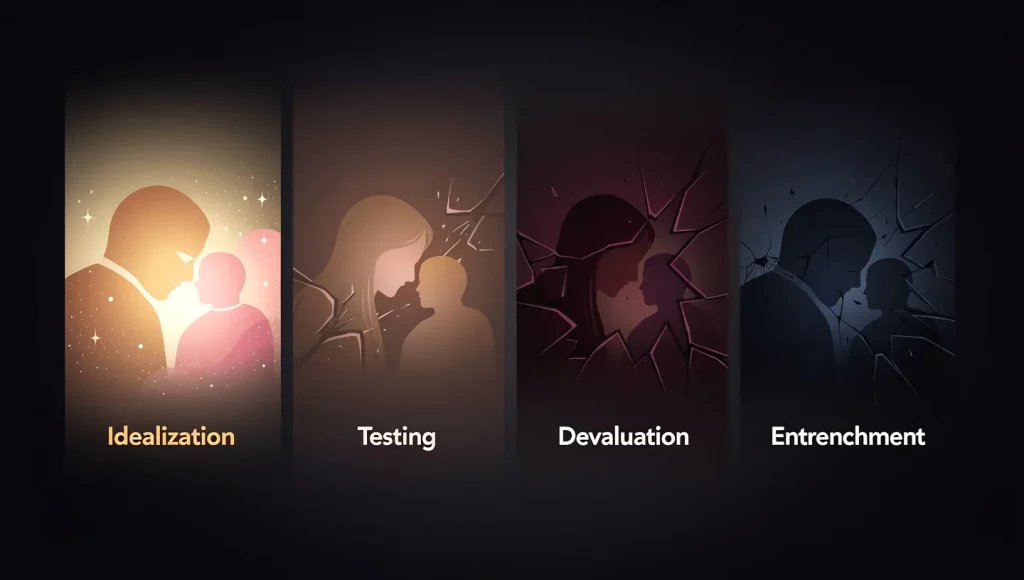
Emotional abuse follows a documented escalation pattern — similar to the grooming sequence but focused on emotional control rather than physical predation.
- Idealization phase: The relationship begins with intense positive attention — love-bombing, devotion, apparent perfect compatibility. This phase establishes the emotional bond and creates the “good times” baseline that the person will reference during later harmful periods.
- Testing phase: Small boundary violations, minor criticisms, and brief episodes of negative behavior — each followed by a return to the idealization pattern. This phase tests how the target responds and calibrates future behavior.
- Devaluation phase: Criticism intensifies, control behaviors increase, isolation from support networks accelerates, and positive periods become shorter and less convincing. The target’s self-worth, independence, and external support are systematically reduced.
- Entrenchment phase: The abusive dynamic becomes the relationship’s normal operating mode. The target has adjusted to each escalation, lost external perspective through isolation, and may not recognize how far the relationship has shifted from the idealization phase. Exit feels impossible — emotionally, practically, and sometimes financially.
The value of this emotional abuse quiz is that it helps you see where you might be in this pattern — and the earlier the recognition, the easier the response.
How to Protect Yourself from Emotional Abuse in New Relationships
The best protection against emotional abuse is early detection — before the escalation pattern progresses beyond the testing phase.
In Online Dating
- Screen every match: GuyID’s free tools (60-second check) catch fake profiles and scam patterns — but also prompt the screening mindset that keeps you evaluating objectively rather than investing emotionally before verification.
- Verify identity before deepening: Request a GuyID Trust Profile before meeting. Government ID + social vouches create the accountability that abusive individuals need to avoid. A person whose real identity is verified, whose friends vouch for their character, is accountable in ways an anonymous match is not.
- Watch for red flags early: Love-bombing, possessiveness, anger at boundaries, criticism of friends — these patterns are most visible and most actionable before emotional investment.
In Any Relationship Stage
- Maintain your social network: Friends and family provide the external perspective that recognizes patterns you might rationalize from inside the relationship. Never let a partner isolate you — no matter how the isolation is framed.
- Enforce boundaries and observe responses: How someone responds to “no” is the most reliable indicator of relationship health. Genuine partners respect boundaries. Controlling partners punish boundary enforcement. The response IS the assessment.
- Trust the pattern over the feeling: If someone’s behavior matches the patterns described in this assessment — even though you love them, even though the good times are wonderful, even though you believe they’ll change — the pattern predicts the outcome. Trust it.
- Stay connected to your own judgment: If you find yourself increasingly doubting your perceptions, questioning whether your concerns are valid, or feeling like you’re “going crazy” — these are symptoms, not character flaws. Seek external validation from trusted friends or a professional.
Resources and Next Steps
If this emotional abuse quiz revealed patterns you recognize in your relationship, here are concrete next steps.
Talk to Someone You Trust
A friend, family member, colleague, or mentor — someone outside the relationship who can provide the external perspective that isolation removes. Tell them what you’re experiencing. Their reaction — concern, recognition, validation — provides the reality check that the abusive dynamic has been undermining.
Contact a Professional Resource
The National Domestic Violence Hotline (1-800-799-7233 or text START to 88788) provides confidential guidance for people experiencing any form of domestic abuse — including emotional abuse. They can help you evaluate your specific situation and plan appropriate next steps. You don’t need to be in physical danger to call. Emotional abuse qualifies.
Speak with a Therapist or Counselor
A professional who specializes in relationship dynamics can help you process what you’re experiencing, rebuild the self-trust that emotional abuse erodes, and make informed decisions about the relationship — whether that means setting boundaries, couples counseling, or planning a safe exit.
If You’re in a New Dating Relationship
If the patterns are emerging in a new relationship (first weeks or months), the proactive safety framework provides the tools: red flag recognition, identity verification, boundary enforcement, and the screening mindset that catches patterns before investment makes exit difficult.
Summary: Recognition Is the First Step
The emotional abuse quiz provides a framework for seeing patterns that emotional involvement may be obscuring. Twenty questions across five categories — control, manipulation, isolation, degradation, and intimidation — map the documented indicators of emotional abuse against your relationship experience. Recognition is not diagnosis. But recognition is the essential first step — because you can’t address a pattern you can’t see.
If you recognize patterns from this assessment: you are not overreacting. You are not too sensitive. You are not imagining things. The behaviors described are documented indicators of emotional abuse — identified through decades of research and clinical observation. If the assessment resonates, that resonance is information. Take it seriously. Talk to someone you trust. Contact a professional resource if appropriate. And know that recognizing the pattern is the hardest part — everything after that is choosing to act on what you now see clearly.
For those in the early stages of dating: the patterns described here are detectable early — through red flag recognition, proactive screening, and the boundary-testing observation that reveals character before emotional investment conceals it. Screen every match. Verify identity. Enforce boundaries and observe responses. Maintain your social network. And trust the patterns when they appear — regardless of how the relationship feels.
Early Detection Protects You Before Patterns Deepen
GuyID’s free screening tools catch red flags at the matching stage — before emotional investment. Trust Profiles create the accountability that harmful individuals avoid. Screen every match in 60 seconds. Verify before meeting. Women check for free.
Screen Your Next Match Free
Check a Trust Profile
Frequently Asked Questions
What is emotional abuse in a relationship?
Is this quiz a diagnosis?
How many questions do I need to answer “yes” for it to be abuse?
Can emotional abuse happen in early dating — not just long relationships?
Why do I keep making excuses for my partner’s behavior?
How does identity verification help prevent emotional abuse?
What should I do if I recognize these patterns?
Can emotional abuse happen to men too?
Evidence note
The National Domestic Violence Hotline advises that even one or two warning behaviors can indicate that abuse may be present and offers confidential safety-planning support (National Domestic Violence Hotline).