Reader Briefing
Reader Briefing
Start here if you need a practical read on dating scam detection guide for safer online connections: who should use verification, what signals to check, and what to do before moving from online interest to an in-person plan.
Who this is for
- People meeting someone from a dating app or social platform.
- Anyone checking identity, profile consistency, and trust signals.
- People trying to avoid romance scams, fake profiles, or pressure tactics.
- Online daters improving conversations, profiles, or match screening.
You’ll learn
- How to evaluate identity signals without treating any single check as certainty.
- Which trust signals matter and how to weigh them together.
- How to spot inconsistencies, pressure, or behavior patterns that deserve caution.
- How to move from online conversation to a safer first meeting.
- Where GuyID tools fit into a quick pre-date screening workflow.
- How to compare options using practical safety and trust criteria.
Bottom line
Verification reduces uncertainty; it does not guarantee future behavior. Use a layered approach: confirm identity signals, compare profile consistency, ask for a short video call, keep early plans public, and slow down when someone pressures you to skip normal safety steps.
Key takeaways
- Identity verification improves confidence, not certainty.
- Patterns matter more than isolated incidents.
- Verify before meeting privately or sharing sensitive details.
- A short video call can reveal many inconsistencies.
- Pressure to skip reasonable safety steps is useful information.
Free Tools
Catfish Probability Detector
Check whether a dating profile has suspicious identity or photo signals.
Dating Bio Red Flag Detector
Review a bio for scam, pressure, or trust-warning language.
Dating Safety Checklist
Use free GuyID tools before moving from chat to a real date.
Next step
Create your GuyID trust profile
Share consent-based trust signals before a date without turning the conversation into an interrogation.
Dating scams have exploded across online platforms, with thousands of users losing money and trust to sophisticated fraudsters every year. These scammers prey on genuine people seeking connection, using fake profiles and emotional manipulation to steal personal information and funds. This guide arms you with practical detection methods, verification tools, and step by step strategies to spot red flags before you become a victim. You’ll learn how to protect yourself and make smarter decisions when meeting people online.
NavigateTable of Contents13 sections
⚡ Key Takeaways
Recognize warning signs
Learn to identify common scammer tactics like inconsistent stories, money requests, and reluctance to meet in person
Prepare verification tools
Gather information and use digital tools to analyze profiles, photos, and behavior before trusting someone online
Follow structured steps
Apply a proven detection process from profile analysis to direct validation for safer interactions
Avoid common mistakes
Skip pitfalls like rushing trust or sharing personal data too soon that make you vulnerable to scams
Use detection resources
Leverage specialized tools to supplement manual checks and gain confidence in your online dating safety
Understanding Dating Scams and Common Red Flags
Dating scams come in many forms, but they all share one goal: exploiting your emotions and trust for financial gain. Catfishing involves creating fake identities with stolen photos and fabricated backgrounds to lure victims into relationships. Romance scams take this further, building deep emotional bonds over weeks or months before requesting money for emergencies, travel, or business opportunities. Scammers often use emotional manipulation and fake photos to lure victims, making it critical to recognize their tactics early.
These fraudsters follow predictable patterns once you know what to watch for. They craft elaborate stories about their lives, often claiming to work overseas in military service, oil rigs, or international business. Their profiles feature professional quality photos that seem too perfect, and their messages move quickly from casual chat to declarations of love. When pressed for video calls or in person meetings, they manufacture excuses about broken cameras, poor internet, or work restrictions.
Several red flags should trigger immediate skepticism. Watch for inconsistent details about their background, location, or daily activities that don’t add up when you review past conversations. Be alert if they pressure you to move conversations off the dating platform to private messaging apps where there’s less oversight. Any request for money, gift cards, or financial help, regardless of the sob story attached, is a massive warning sign. Scammers also create urgency and secrecy, insisting you keep the relationship private from friends and family who might spot the deception.
💡
Pro Tip
Screenshot early conversations and profile details. Scammers often change their stories, and having records helps you catch contradictions that reveal their fraud.
“The best defense against dating scams is skepticism paired with verification. Trust your instincts when something feels off, and never let emotional attachment override common sense safety practices.”
Recognizing these patterns at the conversation’s start protects you from investing time, emotion, and money into a relationship built on lies. The earlier you spot red flags, the easier it is to walk away unharmed.
Preparing to Spot Scams: Tools and Prerequisites
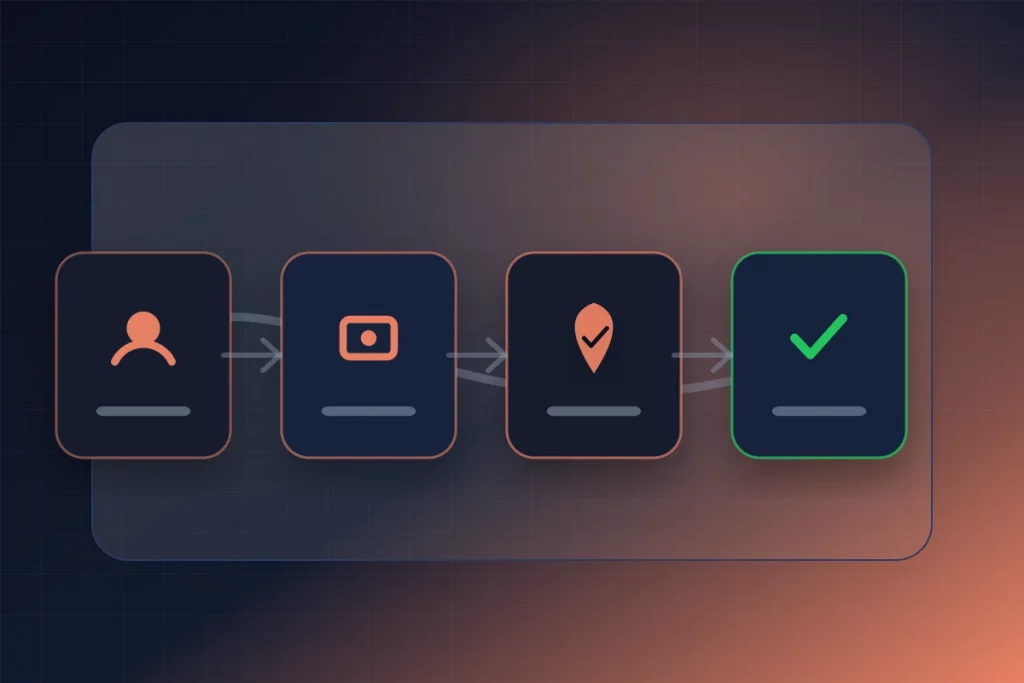
Before engaging deeply with anyone online, gather the right information and tools to verify their identity and spot potential fraud. Start by collecting basic details they share: full name, location, occupation, and any photos they send. Note their social media handles if they provide them, and pay attention to how much information they volunteer versus how much they deflect or keep vague.
Several digital tools can help you analyze profiles and detect scams before you invest emotional energy. Reverse image search services let you check if profile photos appear elsewhere online under different names or contexts. The catfish probability detector analyzes multiple profile signals to assess fraud likelihood. Social media cross checking reveals whether their claimed identity matches public profiles with consistent histories, friends, and activity patterns.
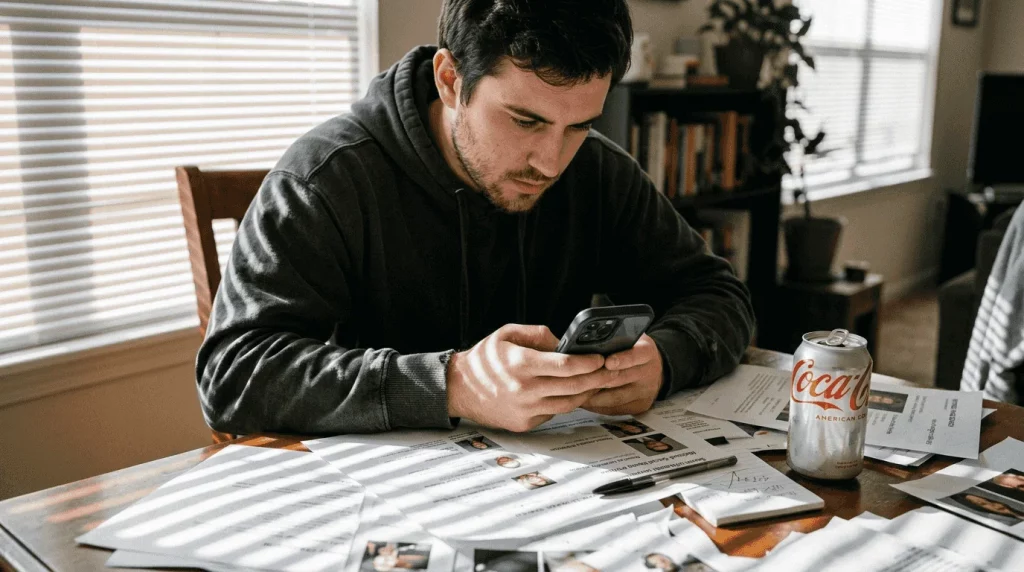
Verifying dating profiles with the right tools is your first line of defense against scammers
Scam Detection Tools at a Glance
🔍 Reverse Image Search
DetectsStolen Photos
Best ForPhoto Authenticity
📊 Profile Analysis Tools
DetectsBehavior Patterns
Best ForFraud Probability
🔗 Social Media Verification
DetectsIdentity Gaps
Best ForConfirming Real People
🚩 Bio Red Flag Detectors
DetectsSuspicious Language
Best ForProfile Content Analysis
Using technology and tools increases scam detection success, but preparation goes beyond software. Develop emotional readiness to stay skeptical without becoming cynical. Remind yourself that legitimate people won’t rush you or pressure you into decisions. They’ll understand if you want to verify their identity before deepening the connection. This mindset protects you from the urgency tactics scammers deploy to bypass your rational thinking.
🔍
Pro Tip
Run profile photos through multiple reverse image searches using different services. Scammers sometimes edit photos slightly to evade detection on a single platform, but cross checking catches more fraud.
Gather screenshots of profiles, messages, and any suspicious claims before they can delete or modify them. This documentation proves invaluable if you need to report the scammer or warn others. Approach each new connection with cautious optimism, ready to verify before you trust, and you’ll dramatically reduce your vulnerability to dating fraud.
Step by Step Dating Scam Detection Process
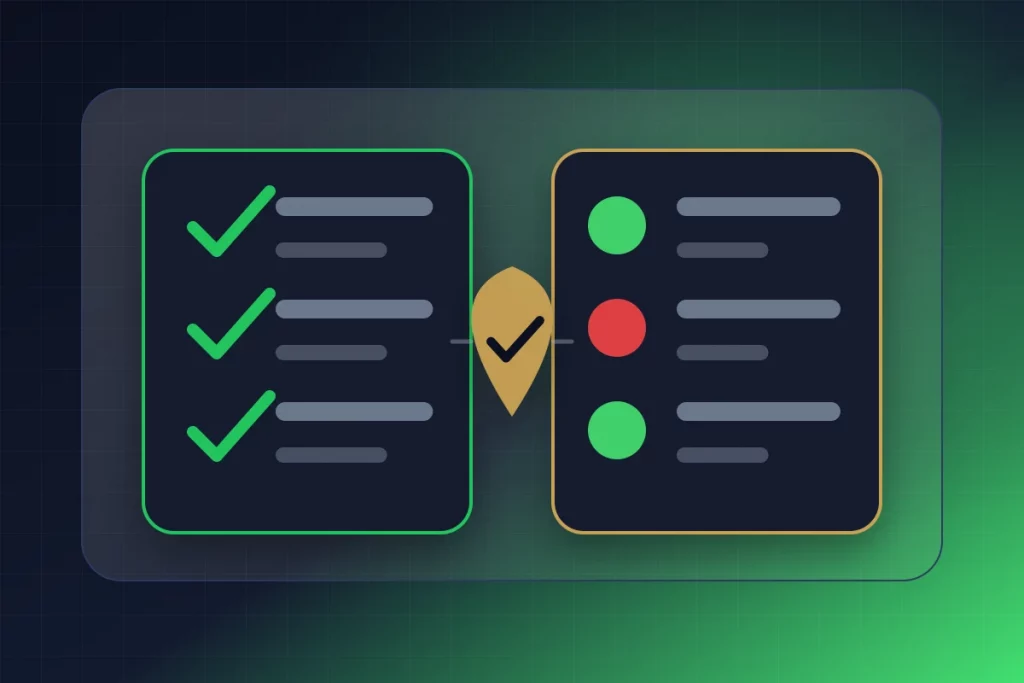
Following a structured approach helps you systematically evaluate whether someone online is genuine or fraudulent. Commit to each step before moving forward in any relationship.
Step 1: Analyze the Profile and Bio
Compare what you see against typical genuine profiles versus common scam characteristics. Real profiles usually have varied photos showing the person in different settings with friends or family, while scam profiles often feature only professional looking solo shots. Genuine bios include specific details about hobbies, local references, and realistic life descriptions, whereas fraudulent ones use vague language, claim exotic careers, or include grammatical errors suggesting foreign origins.
| Genuine Profile Traits | Scam Profile Traits |
|---|---|
| Multiple casual photos with others | Only professional or model quality solo photos |
| Specific local details and realistic job | Vague location, exotic career claims |
| Natural grammar and conversational tone | Generic messages, poor grammar, copied text |
| Gradual relationship building | Rapid emotional intensity and love bombing |
Step 2: Use Specialized Detection Tools
Run their profile through a dating bio red flag detector to identify suspicious language patterns and claims. These tools analyze word choice, emotional manipulation tactics, and common scammer phrases that humans might miss. Cross reference profile photos with reverse image searches to see if they appear elsewhere online.
Step 3: Conduct Direct Validation
Insist on a video chat before the relationship progresses, and watch for excuses about broken cameras or poor connections that persist over multiple requests. Ask them to send a photo holding a sign with today’s date and a specific phrase you provide, which scammers using stolen images cannot easily fake. Verify their social media accounts show years of authentic activity, not recently created profiles with minimal history.
Step 4: Watch for Behavioral Red Flags
Notice if they deflect personal questions, avoid specifics about their daily life, or can’t provide details that someone living where they claim would know. Be alert to any financial requests, no matter how they frame them as loans, investments, or emergency help. Scammers create artificial urgency to prevent you from thinking clearly or consulting friends who would spot the fraud.
Step 5: Disengage if Doubts Persist
Trust your instincts when something feels wrong, even if you can’t pinpoint exactly what. Legitimate people understand caution and won’t punish you for wanting verification. If they react with anger, guilt trips, or increased pressure when you ask reasonable questions, that response itself confirms your suspicions.
📋
Pro Tip
Document everything suspicious in a dedicated file with screenshots, dates, and notes. This evidence helps you report the scammer to platforms and authorities, potentially protecting others from the same fraud.
This systematic approach transforms vague unease into concrete verification steps. By following each phase methodically, you remove emotion from the equation and make safety based decisions grounded in evidence rather than hope.
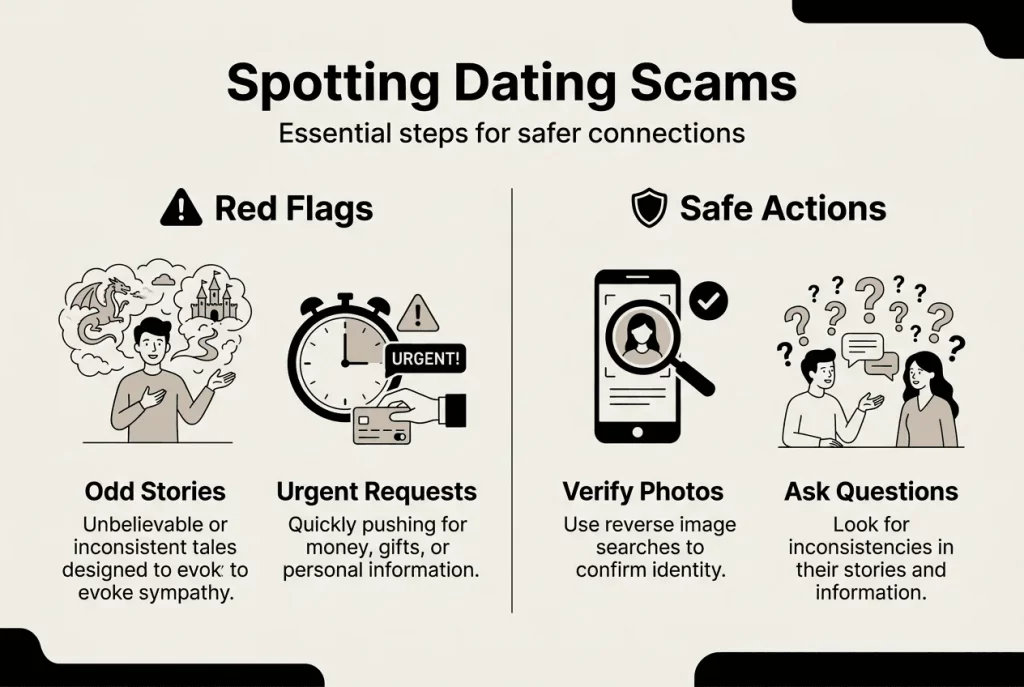
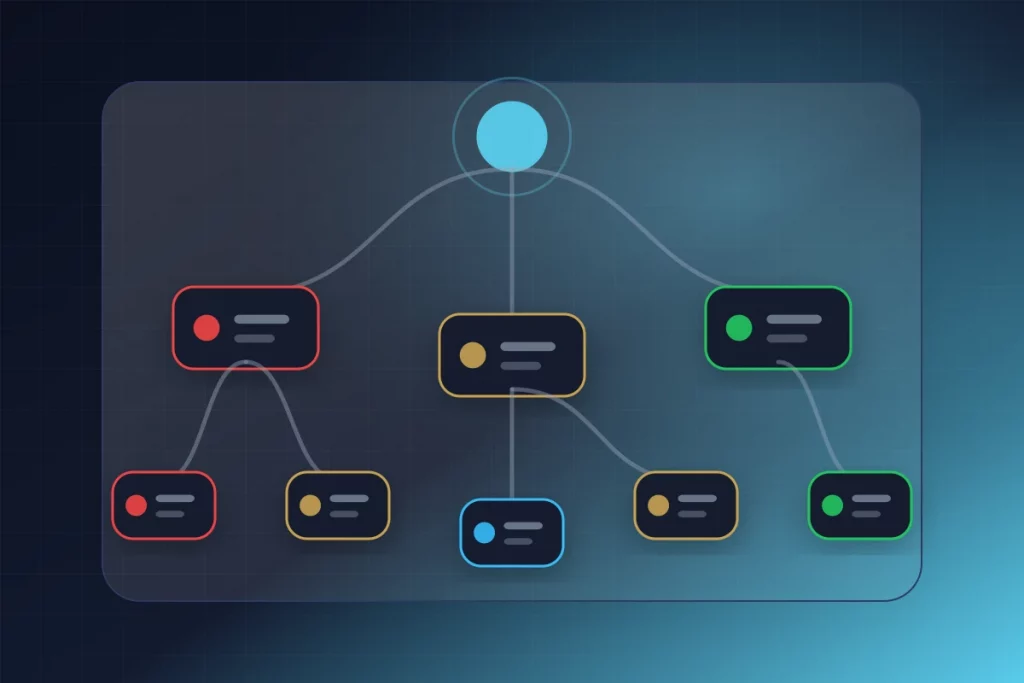
A structured detection process helps you identify scammers before they can cause harm
Verifying Identities and Avoiding Common Mistakes
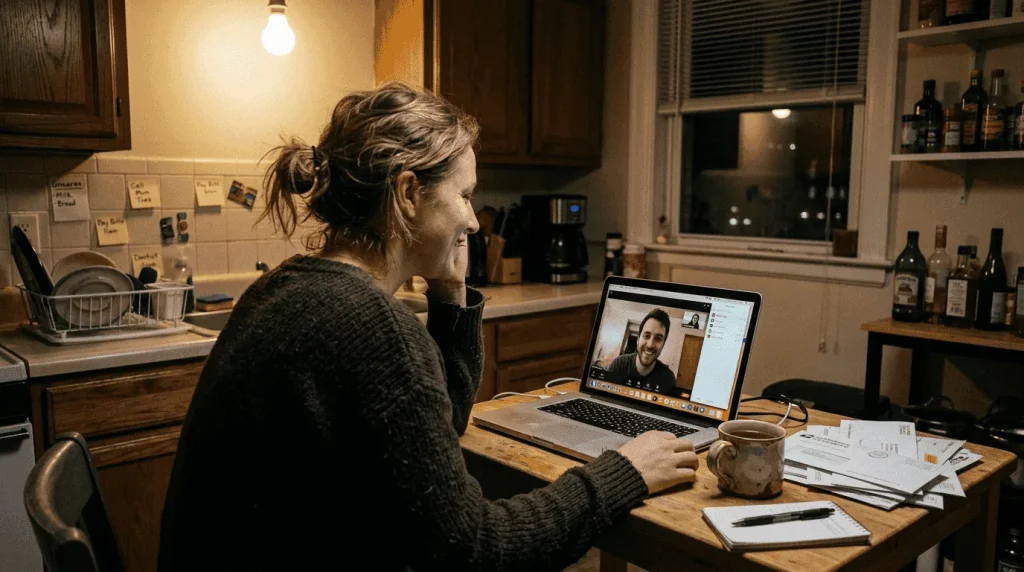
Once you’ve detected potential red flags, verification becomes your strongest defense against dating fraud. Video calls provide the most reliable real time confirmation because scammers using stolen photos can’t fake live interaction. Request calls at different times and dates to ensure they’re not using pre recorded videos, and ask them to perform simple actions like waving or holding up objects to prove the feed is live.
Social media cross checking offers another powerful verification layer. Search for their name and location across multiple platforms to find profiles that match their claims. Genuine people typically have established accounts with years of posts, tagged photos with friends, and interactions that demonstrate real social connections. Look for consistency in appearance, background details, and timeline across platforms. If someone claims to be 35 but their Facebook shows a graduation year suggesting they’re actually 50, that discrepancy demands explanation.
Ask for additional proof of identity when appropriate. While you shouldn’t demand sensitive documents early in a relationship, someone genuinely interested in building trust will understand reasonable verification requests. They might share a work ID with sensitive details blurred, show you their business website, or introduce you to friends via group video chat. These gestures cost nothing for honest people but prove impossible for scammers.
Many victims fall prey to common mistakes that undermine even careful detection efforts. Skipping verification steps because the connection feels special or the person seems trustworthy is the most dangerous error. Emotional rushing, where you let feelings override rational caution, plays directly into scammer manipulation tactics designed to bypass your defenses.
Sharing personal information too soon creates vulnerability before you’ve confirmed someone’s identity. Avoid revealing your home address, workplace details, financial information, or other data that could be exploited for identity theft or stalking. Legitimate romantic interests won’t need this information in early conversations and will respect boundaries around privacy.
“Never send money, gift cards, or financial assistance to someone you haven’t met in person and thoroughly verified. No genuine romantic interest requires financial help from someone they’ve never met face to face.”
Pacing trust appropriately means matching your emotional investment to the verification you’ve completed. Stay alert even after initial verification, because sophisticated scammers sometimes pass early checks before revealing their true intentions later. Maintain healthy skepticism throughout the relationship’s development, and remember that real love doesn’t require you to compromise your safety or financial security.
Protect Yourself with Proven Detection Tools
Detecting dating scams requires both awareness and the right technology to analyze profiles effectively. While manual verification catches many fraudsters, specialized tools provide additional layers of protection by identifying patterns and red flags that humans might miss. These resources complement your personal judgment and make the verification process faster and more thorough.
The dating bio red flag detector analyzes profile text for suspicious language patterns, emotional manipulation tactics, and common phrases scammers use. The catfish probability detector evaluates multiple profile signals simultaneously to assess fraud likelihood, giving you an objective risk assessment before you invest time in conversations. These tools work together to provide comprehensive analysis that strengthens your safety.
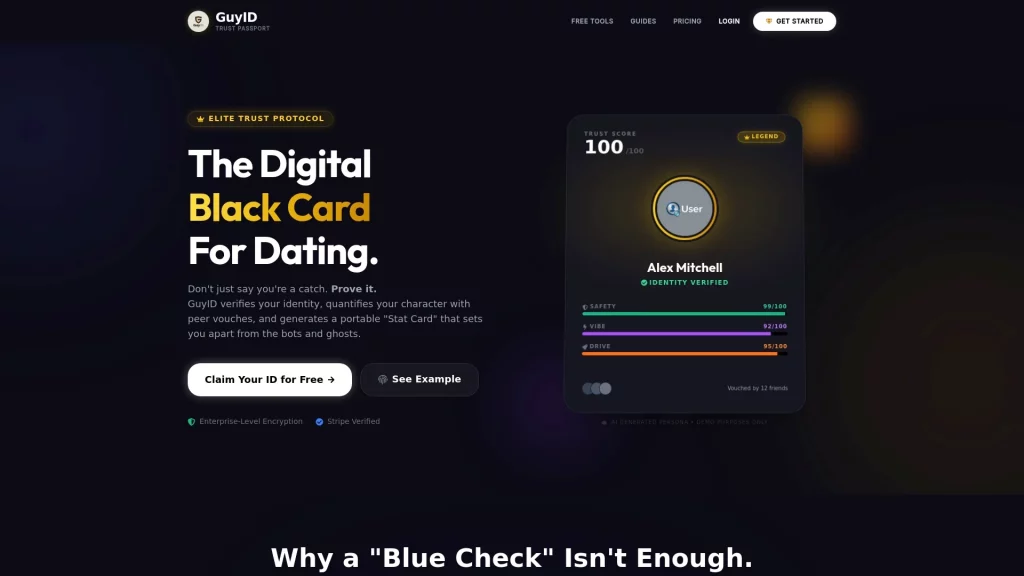
GuyID provides specialized scam detection tools to keep you safe while dating online
Using these detection resources doesn’t mean you’re paranoid or overly suspicious. It means you’re smart about protecting yourself in an environment where fraud is common. Think of these tools as insurance for your emotional and financial wellbeing, providing peace of mind as you navigate online dating. They help you make informed decisions based on data rather than just intuition, especially useful when emotions might cloud your judgment.
Explore our dating safety statistics to understand the full scope of online dating fraud and arm yourself with knowledge. The more you know about how scammers operate and how common their tactics are, the better prepared you’ll be to spot them.
Stay Safe While Dating Online
GuyID’s free detection tools help you verify profiles and catch scammers before they can cause harm.
Check a Profile Free
Scan a Dating Bio
Frequently Asked Questions
What is a dating scam and how common are they?
How can I verify if someone is truly who they claim to be?
What are the top warning signs of a dating scam?
Can I report a suspected dating scammer and how?
Related Reading
- Dating App Red Flags: The Complete 2026 Detection Guide (35+ Warning Signs)
- Deepfake Dating Scams: How AI Fakes Photos, Video Calls & Voices (2026)
Evidence note
The FTC reported 64,003 romance-scam reports in 2023, with $1.14 billion in reported losses and a $2,000 median reported loss (Federal Trade Commission, 2024).