Free Tools
Catfish Probability Detector
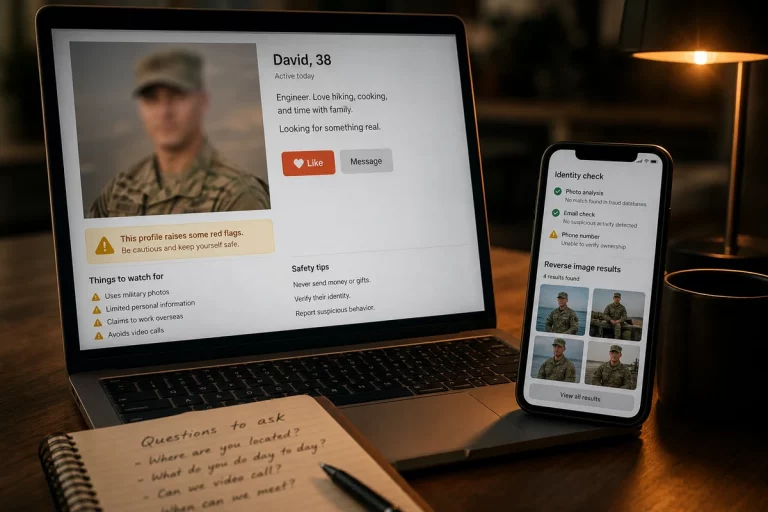
Check whether a dating profile has suspicious identity or photo signals.
Dating Bio Red Flag Detector
Review a bio for scam, pressure, or trust-warning language.
Dating Safety Checklist
Use free GuyID tools before moving from chat to a real date.
Next step
Create your GuyID trust profile
Share consent-based trust signals before a date without turning the conversation into an interrogation.
It’s the question that haunts every romance scam victim long after the money is gone: can a romance scammer fall in love with the person they’re deceiving? The answer matters deeply — not because it changes the financial reality, but because it determines how you process the emotional devastation.
The short answer is no — romance scammers are criminals executing a financial operation, not confused lovers navigating complicated feelings. But the psychology behind why victims believe the love was real, why the bond felt stronger than any genuine relationship, and why letting go feels impossible is profoundly complex. Understanding the mechanics of manufactured intimacy, trauma bonding, and emotional exploitation is the key to healing — and to ensuring you never ask whether a romance scammer can fall in love from the victim’s side again. This guide provides the complete, research-backed truth with compassion for anyone processing this experience.
NavigateTable of Contents23 sections
⚡ Key Takeaways
Scammers manufacture intimacy — they don’t feel it
Romance scammers use deception to create emotional bonds and obtain money or information. An operator’s private feelings cannot be verified, and claimed feelings do not make the relationship honest or safe.
Your emotions were real even if theirs weren’t
Your emotional response to the attention and intimacy was genuine even though the identity or relationship was manufactured. You were not imagining your side of the connection.
Trauma bonding explains why leaving felt impossible
Cycles of intense affection followed by crisis can make it difficult to disengage. That response is not a personal failure.
Romance scams can operate as organized criminal enterprises
The FTC documents repeatable stories and tactics used in romance scams. Some scams are organized operations that use scripts and team-based target management, rather than a single person navigating mixed emotions.
Healing is possible through understanding and verification
Replacing shame with an understanding of the manipulation can support recovery. Tools like GuyID can add identity evidence before trust is extended.
Why the Connection Felt Completely Real
If you’re asking can a romance scammer fall in love, it’s almost certainly because the emotional connection you experienced felt more real, more intense, and more meaningful than anything you’ve experienced before. That feeling wasn’t your imagination — and understanding why requires distinguishing between the stimulus (manufactured) and the response (genuine).
Your brain didn’t know it was being manipulated. When the scammer sent you good morning messages every day, asked about your childhood dreams, remembered the name of your cat, and told you they’d never felt this way about anyone — your brain responded exactly as it would to genuine romantic attention. Oxytocin flooded your system (the bonding hormone released during emotional intimacy). Dopamine surged (the reward chemical triggered by attention and validation). Serotonin fluctuated (creating the obsessive thinking patterns characteristic of new love). These neurochemicals are identical whether the stimulus is genuine love or manufactured manipulation.
This is why the question can a romance scammer fall in love feels so urgent to victims. The internal experience was indistinguishable from falling in love with a real person. The morning excitement of seeing their message. The warm comfort of being understood. The future you built together in your mind. The grief when it ended. All of it was biochemically real inside your brain — even though the person generating those feelings was following a script.
Many victims report that their scam “relationship” felt more emotionally intense than any real relationship they’d had. This isn’t a coincidence — it’s by design. Real relationships have friction, disagreements, awkward silences, and moments of doubt. Scam relationships are engineered to feel perfect, because perfection creates the strongest neurochemical response and the deepest emotional dependency. The absence of normal relationship friction doesn’t prove the relationship was real — it proves it was engineered.
The Neuroscience of Manufactured Love: Why Your Brain Couldn’t Tell the Difference
To truly answer can a romance scammer fall in love, we need to understand the neuroscience of why your brain couldn’t distinguish manufactured attention from genuine affection — and why this says nothing about your intelligence, judgment, or worth.
The Neurochemical Cocktail of Romantic Attachment
When you fall in love — whether with a real person or a scammer’s persona — your brain produces a specific cocktail of neurochemicals. Oxytocin creates feelings of trust, bonding, and safety. Dopamine produces pleasure, reward, and craving for more contact. Norepinephrine generates excitement, elevated heart rate, and hyper-focus on the object of affection. Serotonin fluctuations create the intrusive thinking (“I can’t stop thinking about them”) that characterizes early romance.
This neurochemical cocktail evolved over millions of years to facilitate pair bonding for reproductive success. It was never designed to distinguish between genuine and manufactured stimuli. Your brain’s love chemistry responds to attention, affection, and perceived emotional intimacy — it doesn’t first verify the identity, intentions, or sincerity of the person providing those inputs. This is a feature of human neurology, not a defect in your character.
Why Manufactured Love Feels Stronger Than Real Love
Scammers intuitively understand something that neuroscience confirms: the intensity of the neurochemical response correlates with the intensity of the stimulus, not its authenticity. A scammer who sends 30-50 messages per day, expresses unwavering adoration, shares fabricated vulnerabilities designed to mirror yours, and constructs a perfect shared future generates a more intense neurochemical response than a real partner who texts a few times a day, occasionally disagrees, and takes weeks to open up emotionally.
This intensity differential is central to understanding why people ask can a romance scammer fall in love — because the manufactured experience felt more like love than their real experiences of love. AI chatbots amplify this effect further, with McAfee Labs documenting bots sending 60+ messages in 12 hours (McAfee, 2026). The sheer volume of attention creates a neurochemical environment that real human partners — who have jobs, friends, and their own lives — cannot match.
“The cruelest irony of a romance scam is that the victim’s love was the realest thing in the entire interaction. The pain, the hope, the vulnerability, the joy — all genuine neurochemical responses to manufactured stimuli. The scammer’s ‘love’ was performance art with a profit motive. Understanding this distinction is the foundation of healing.”
How Romance Scammers Manufacture Intimacy at Scale
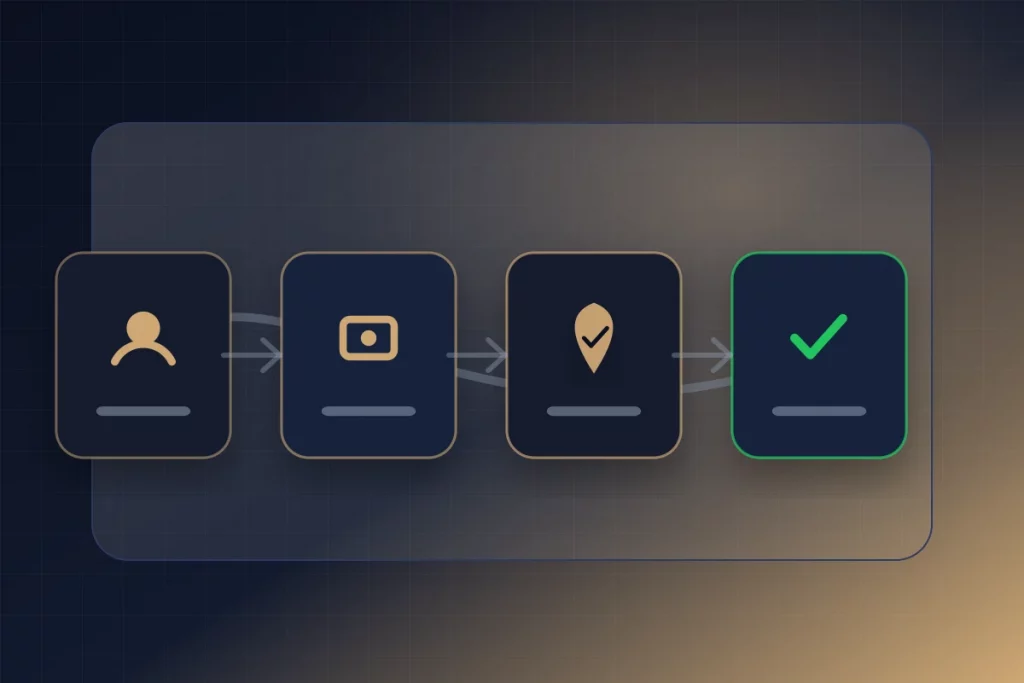
To definitively answer can a romance scammer fall in love, we need to look at how scam operations actually function — because the reality of how these criminals work eliminates any possibility of genuine emotional connection with their targets.
The Industrial Scale of Romance Scam Operations
Many of these operate within organized criminal networks based in Southeast Asia, West Africa, and Eastern Europe. These are not lonely individuals who accidentally developed feelings — they are operatives within criminal enterprises that function with the organizational structure of legitimate businesses.
A typical romance scam operator manages 10-20 active “relationships” simultaneously. They work in shifts, often sharing targets with team members — the person you messaged at 8am might be a different human than the person who messaged you at 10pm. Scripts are shared across the operation, so multiple operatives maintain consistent personas. Targets are discussed in financial terms: “How much has [target name] invested?” “Is [target name] ready for the ask?” “Move [target name] to the closer.” The romantic language used in your conversations is a tool, not a sentiment.
The Scripts Behind the “Connection”
Romance scammers operate from documented manipulation playbooks that have been refined across millions of interactions. These scripts are organized by phase — initial contact, rapport building, love-bombing, dependency creation, crisis introduction, financial extraction, and maintenance (keeping the target sending money after the first payment). Each phase has specific messaging templates, emotional triggers to deploy, and decision trees based on how the target responds.
When the scammer told you “I’ve never felt this way about anyone” — that exact phrase was likely deployed to dozens of targets that same week. When they “coincidentally” shared your exact values, interests, and life goals, they were executing a mirroring technique documented in their training materials. When they created an emergency that only your money could solve, they were following an escalation script timed to your emotional dependency level.
This operational reality is the definitive answer to can a romance scammer fall in love. A person running 15 simultaneous scripted deceptions, working in shifts with team members, discussing targets by their financial value, and following documented manipulation playbooks is not experiencing love. They are performing a job within a criminal enterprise.
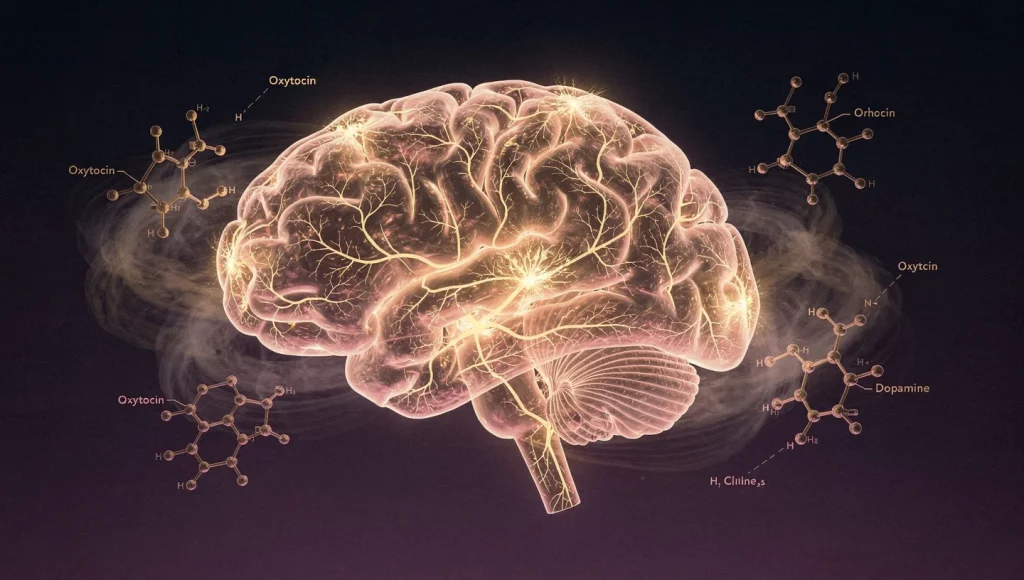
Trauma Bonding: Why You Stayed Despite Warning Signs
Many people asking can a romance scammer fall in love are really asking because they noticed warning signs — inconsistencies, excuses, things that didn’t add up — but couldn’t bring themselves to walk away. If the love wasn’t real, why was leaving so impossibly hard? The answer is trauma bonding — a well-documented psychological phenomenon that creates powerful emotional attachment through cycles of positive reinforcement and stress.
How the Trauma Bond Cycle Works
The trauma bond cycle has three phases that repeat with increasing intensity throughout the scam relationship. Phase one is the high: the scammer provides intense affection, emotional validation, attention, and future promises. This triggers dopamine and oxytocin release — the “love chemicals” that create euphoria and attachment. Phase two is the low: the scammer introduces a crisis (their phone broke, they’re in the hospital, they have a financial emergency), becomes briefly distant or unavailable, or creates uncertainty about the relationship’s future. This triggers cortisol and anxiety. Phase three is the relief: the scammer returns with even more intense affection, reassurance, and promises — “I’m sorry I was distant, you’re the most important person in my life.” This triggers an even stronger dopamine surge than the initial high, because relief after anxiety produces a more powerful neurochemical reward than pleasure from a neutral state.
This cycle is neurochemically identical to the pattern observed in addiction and in abusive domestic relationships. The brain becomes dependent on the emotional highs and dreads the lows, creating a compulsive need to maintain the relationship at any cost — including sending money, ignoring red flags, and lying to friends and family who express concern.
Why Trauma Bonding Makes the Scam Relationship Feel Unique
The intermittent reinforcement pattern — unpredictable alternation between affection and withdrawal — creates the strongest emotional bonds in human psychology. This is why the scam relationship often feels more intense and more “real” than genuine relationships, and why people ask can a romance scammer fall in love — because the neurochemical experience was so overwhelming that it felt like it had to be authentic.
In stable, healthy relationships, affection is consistent and predictable. This creates a calm, secure attachment that is sustainable but doesn’t produce intense neurochemical spikes. In the trauma-bonded scam relationship, the unpredictable oscillation between ecstatic highs and anxious lows creates an emotional rollercoaster that the brain interprets as passionate, once-in-a-lifetime love. It’s the volatility, not the depth, that creates the feeling of intensity — and the scammer deliberately creates that volatility through scripted emotional manipulation.
- Intermittent reinforcement: Unpredictable alternation between overwhelming affection and brief withdrawal creates the strongest emotional bonds — stronger than consistent affection. Scammers deploy this deliberately.
- Sunk cost commitment: “I’ve invested months of my life and thousands of dollars — I can’t accept this was fake.” The more you’ve invested, the harder your brain works to justify continuing.
- Identity fusion: The scammer became central to your daily routine, emotional support, and future plans. Leaving feels like losing a part of yourself, not just ending a relationship.
- Cognitive dissonance: Your brain actively resists accepting that the love was manufactured because it conflicts with the very real emotions you experienced. It’s easier to believe the scammer had some real feelings than to accept the entire experience was fabricated.
- Isolation from reality checks: Scammers subtly discourage sharing the relationship with friends and family (“they won’t understand what we have”), removing the outside perspectives that would challenge the illusion.
What Romance Scammers Actually Feel About Their Victims
Research, law enforcement interviews, and documented testimony from convicted romance scammers provide a consistent, uncomfortable answer to can a romance scammer fall in love. The answer across every available data point is no — and the reality of how scammers view their targets is important for victims to understand as part of the healing process.
The Scammer’s Perspective
In law enforcement debriefings and investigative journalism interviews, convicted romance scammers consistently describe their targets using financial language, not emotional language. Targets are discussed by how much money has been extracted, how much more can likely be obtained, when the target will “run dry,” and whether the target should be “handed off” to a specialist who handles the financial extraction phase.
Some scammers have expressed pity for their targets — recognizing the emotional damage they cause while continuing the operation anyway. Others have expressed contempt, viewing victims as naive or greedy (particularly in pig butchering cases where the victim was pursuing investment returns). A small number have expressed discomfort with the emotional manipulation while justifying their actions through economic necessity. None — across any documented interview — have described genuine romantic feelings for a target.
The Structural Impossibility of Real Feelings
Even if an individual scammer were to develop real feelings for a target (which there is no evidence for), the structure of the operation prevents that from mattering. Scam operations rotate targets between operatives. Scripts are standardized. Financial extraction is the measured output. Emotional attachment to a target would be an operational liability — a scammer who develops real feelings would be replaced by one who doesn’t.
This structural reality is the most important answer to can a romance scammer fall in love. Love requires honesty — the scammer’s entire identity was fabricated. Love requires mutual vulnerability — the scammer held all the information and took zero emotional risk. Love requires equality — the scammer held power over someone they were actively exploiting. Love requires genuine sacrifice — the scammer’s only “sacrifice” was time invested toward financial extraction. These conditions are mutually exclusive with the conditions required for love.
💡
The Crucial Distinction
When asking can a romance scammer fall in love, the important reframing is this: Your capacity for love is not diminished by their incapacity for it. The fact that you loved genuinely while they performed love fraudulently says something beautiful about you and something criminal about them. Don’t let a scammer’s manipulation make you doubt your ability to love — that ability is what makes you human. It just needs better information to work with, which is what identity verification through tools like GuyID provides.
Why Smart, Careful People Get Deceived by Romance Scammers
People asking can a romance scammer fall in love are often also grappling with a painful secondary question: “How could I have been so stupid?” The answer is that you weren’t stupid — you were human, and the scammer’s skill was in exploiting universal human psychology, not in outsmarting individuals.
Romance scam victims span every demographic. These are not demographics defined by gullibility — they’re defined by being human beings seeking connection.
Intelligence does not protect against neurochemistry. A PhD doesn’t prevent oxytocin release in response to manufactured affection. Financial literacy doesn’t prevent dopamine surging when someone you believe loves you shares an “investment opportunity.” Emotional intelligence doesn’t prevent trauma bonding when the manipulation follows the exact neurochemical exploitation pattern that works on all human brains regardless of education, income, or experience.
It doesn’t. It reflects the sophistication of the criminal operation and the universal vulnerability of human attachment systems.
How to Heal After Discovering the Romance Scam Truth
If you’ve been asking can a romance scammer fall in love because you’re processing the aftermath of a scam, the healing path begins with replacing shame with understanding. The manipulation was professional. Your emotions were genuine. Both things are true simultaneously — and accepting both is the foundation of recovery.
Immediate Steps
- Acknowledge that your grief is valid. You are mourning a relationship that felt real — and the emotions were real, even though the person was fabricated. Grief is the appropriate response. Don’t let anyone tell you to “just get over it” or that you should have known better.
- Stop all communication with the scammer. Block them on every platform. Do not respond to any messages, even if they claim to have an explanation. Every continued interaction feeds the trauma bond and delays healing.
- Report the scam. File with the FBI’s IC3 at ic3.gov and the FTC at reportfraud.ftc.gov. Reporting isn’t just about law enforcement — it’s about reclaiming agency. Moving from victim to reporter changes your psychological relationship to the experience.
Isolation reinforces shame. Speaking the truth to a trusted friend or family member begins the process of reintegrating the experience into your life narrative without shame.
Professional Support
- Seek therapy with a fraud trauma specialist. Romance scam aftermath involves a unique combination of grief, betrayal, financial stress, and identity disruption. A therapist experienced in fraud trauma understands the specific recovery needs. The AARP Fraud Helpline (877-908-3360) provides free, confidential support specifically for scam victims.
- Connect with other survivors. Organizations like Romance Scams Now and local support groups provide peer connection with people who understand the experience without judgment. Hearing others’ stories reduces isolation and normalizes the recovery process.
- Address the financial impact separately. If you lost money, consult with your bank about potential recovery options, with a tax professional about deducting fraud losses, and with a financial advisor about rebuilding. Separating the financial recovery from the emotional recovery allows you to address each systematically rather than being overwhelmed by both simultaneously.
The Reframing That Enables Recovery
The most powerful reframing for anyone asking can a romance scammer fall in love is this: The question itself proves your capacity for love, empathy, and generosity of spirit. You’re asking because you don’t want to believe someone who showed you affection was entirely fake. That instinct toward believing in human goodness is not a weakness — it’s the quality that makes you capable of genuine love in the future.
The scammer didn’t break your ability to love. They exploited it temporarily. With better information — and better verification — that same capacity for connection will serve you in genuine relationships where the love is mutual, the identity is verified, and the vulnerability goes both ways.
How to Protect Yourself Going Forward After a Romance Scam
For anyone who has asked can a romance scammer fall in love from personal experience, returning to dating feels terrifying. The fear of being deceived again is rational and valid. But it’s also manageable with the right tools and practices that didn’t exist during your scam experience.
- Make video calls non-negotiable. Within the first week of matching, insist on a live video call. This single step eliminates the vast majority of scam operations, which rely on hiding behind text messages. A real person will happily video chat. Anyone who consistently refuses is hiding something.
- Use GuyID’s free verification tools on every match. Run reverse image searches on their photos to catch stolen or AI-generated images. Use the catfish probability detector for objective risk assessment. Use the bio red flag detector to analyze their profile text for suspicious patterns.
- Ask for a verified trust profile. GuyID allows people to verify their identity through government ID and social vouching from real friends and colleagues. Asking a match to share their Date Mode link is a reasonable safety step. A genuine person will understand your caution — especially if you share that you’ve had a negative experience before.
- Watch for the patterns you now recognize. You know what love-bombing looks like. You know what rapid escalation feels like. You know the mirroring technique. You know the platform-switching urgency. You know the financial escalation pattern. This knowledge is your armor. Review our complete guide on how to spot a romance scammer to refresh these patterns.
- Trust your support system. Share your new relationship developments with trusted friends and family. An outside perspective catches manipulation that emotional involvement obscures. The scammer isolated you from these perspectives — reclaiming them is both protective and healing.
You Deserve Love That’s Verified
GuyID helps you verify the identity and trustworthiness of people you meet online — so the next time you fall for someone, you know they’re real. 60+ free safety tools, government ID verification, and a portable trust score. Women check for free.
Try Free Safety Tools
Learn About GuyID
Summary: Can a Romance Scammer Fall in Love?
The definitive answer to can a romance scammer fall in love is no — and understanding why requires holding two truths simultaneously. Your love was real. Theirs was not. Both of these facts are true, and neither invalidates the other.
Your emotions were genuine neurochemical responses — oxytocin, dopamine, serotonin — triggered by the attention, affirmation, and manufactured intimacy the scammer provided. Your brain could not distinguish between authentic romantic attention and performed romantic attention because the chemical response is identical. This is human neurology, not personal failure. Every human brain responds the same way.
The scammer’s “emotions” were scripts deployed across 10-20 simultaneous targets by operatives within criminal enterprises employing large criminal networks globally. The romantic language was a tool for financial extraction. No documented evidence from any law enforcement investigation has ever shown a romance scammer developing genuine feelings for a target.
Understanding can a romance scammer fall in love isn’t about removing hope — it’s about redirecting it. The capacity for love that made you vulnerable to the scam is the same capacity that will enable genuine, mutual love in the future. The difference is information. With identity verification through tools like GuyID, reverse image searches, video call requirements, and awareness of the manipulation patterns documented in this guide and in our 2026 romance scam statistics, you can enter your next relationship with both an open heart and verified trust.
The scammers profit from your capacity for love. Don’t let them also take your willingness to love again. Can a romance scammer fall in love? No. Can you? Absolutely — and next time, with the right tools, you’ll know the person loving you back is real.
Frequently Asked Questions
Can a romance scammer fall in love with their victim?
Why did the romance scam feel so real?
Why couldn’t I leave the relationship even when I had doubts?
Can I safely date online after being scammed?
Do romance scammers feel guilty about what they do?
What if the scammer contacts me again claiming to have real feelings?
Related Reading
Evidence note
The FTC reported 64,003 romance-scam reports in 2023, with $1.14 billion in reported losses and a $2,000 median reported loss (Federal Trade Commission, 2024).