Reader Briefing
Reader Briefing
Start here if you need a practical read on best opener for online dating: messages that actually get replies: who should use verification, what signals to check, and what to do before moving from online interest to an in-person plan.
Who this is for
- People meeting someone from a dating app or social platform.
- Readers preparing for a first in-person date.
- Anyone checking identity, profile consistency, and trust signals.
- People trying to avoid romance scams, fake profiles, or pressure tactics.
You’ll learn
- How to evaluate identity signals without treating any single check as certainty.
- Which trust signals matter and how to weigh them together.
- How to spot inconsistencies, pressure, or behavior patterns that deserve caution.
- How to move from online conversation to a safer first meeting.
- Where GuyID tools fit into a quick pre-date screening workflow.
- When to slow down, ask for more context, or walk away.
Bottom line
Verification reduces uncertainty; it does not guarantee future behavior. Use a layered approach: confirm identity signals, compare profile consistency, ask for a short video call, keep early plans public, and slow down when someone pressures you to skip normal safety steps.
Key takeaways
- Identity verification improves confidence, not certainty.
- Patterns matter more than isolated incidents.
- Verify before meeting privately or sharing sensitive details.
- A short video call can reveal many inconsistencies.
- Pressure to skip reasonable safety steps is useful information.
Free Tools
Catfish Probability Detector
Check whether a dating profile has suspicious identity or photo signals.
Dating Bio Red Flag Detector
Review a bio for scam, pressure, or trust-warning language.
Dating Safety Checklist
Use free GuyID tools before moving from chat to a real date.
Next step
Create your GuyID trust profile
Share consent-based trust signals before a date without turning the conversation into an interrogation.
Your match rate means nothing if your opening message gets ignored. The great opening message does three things in one or two sentences: demonstrates that you actually read their profile (not a copy-paste), creates a specific conversational hook they can respond to easily, and reveals enough personality to distinguish you from the 30 other messages in their inbox. Most people overthink openers — crafting elaborate paragraphs that feel more like auditions than conversations — or underthink them, sending “hey” to 50 matches and wondering why nobody responds. This guide provides tested opener frameworks, the psychology behind messages that generate replies, and the specific patterns that kill your response rate before the conversation starts.
NavigateTable of Contents18 sections
The Psychology Behind the Best Opener for Online Dating
Understanding WHY certain openers work is more valuable than memorizing scripts — because the principles apply across every platform, every demographic, and every communication style while scripts become stale the moment they’re widely shared. According to the American Psychological Association’s research on first-impression formation in digital communication, the first message in an online dating conversation serves as a compressed personality sample — the recipient extracts social intelligence, effort level, communication style, and interest quality from a few sentences that either warrant further investigation or confirm that this match isn’t worth their time.
Research from the National Library of Medicine on messaging behavior in online dating confirms three specific factors that predict response rates with remarkable consistency:
Personalization beats cleverness. A message that references something specific from their profile (“Your hiking photo from Torres del Paine — did you do the W Trek or the full circuit?”) outperforms a clever generic line (“Are you a parking ticket? Because you’ve got fine written all over you”) by a significant margin. Personalization communicates effort, attention, and genuine interest — three signals that the best opener for online dating MUST convey because the recipient is evaluating whether you’re interested in THEM specifically or simply casting a wide net and hoping someone responds.
Questions outperform statements. Messages that end with a specific question receive 2-3x more replies than messages that end with statements — because questions create an easy response pathway. “That’s a great photo from your trip” is a dead-end statement the recipient would need to GENERATE a response to.
Brevity signals confidence. Messages under 3 sentences receive higher response rates than longer messages — because long first messages communicate either overthinking (anxiety) or over-investment (pressure). The ideal first message is 1-3 sentences: enough to demonstrate personality and personalization, short enough to feel casual rather than intense. The National Domestic Violence Hotline’s resources on healthy communication patterns emphasize that balanced investment — where both people contribute equally to conversation momentum — starts from the very first exchange. An opener that does all the talking signals that the conversation will be one-directional; an opener that creates space for response signals that you value their contribution. The goal isn’t to tell your life story — it’s to start a conversation that your life story can emerge through naturally. Our icebreaker guide covers the extended conversation-building framework that the opener initiates.
Timing affects response rates. Research on dating app messaging patterns consistently shows that messages sent during evening hours (7-10 PM local time) receive higher response rates than messages sent during work hours — because recipients are more likely to be in a relaxed, socially oriented mindset when they’re not navigating professional responsibilities. Weekend messages also perform well, particularly Sunday evenings when many people are processing their dating app activity for the week ahead. However, timing is secondary to quality: a great personalized message sent at noon outperforms a generic message sent at the “optimal” time. Focus on content first, timing second — and don’t overthink the sending moment to the point where you never actually send the message.
7 Best Opener for Online Dating Frameworks

1. The Profile Reference
“I noticed you mentioned learning pottery — how’s that going? I tried it once and my ‘vase’ looked more like a crime scene.”
Why it works as the best opener for online dating: it proves you read their profile (not a copy-paste), references something specific they chose to share (indicating you’re interested in their personality, not just photos), adds a self-deprecating detail (humor + vulnerability), and asks a question they’ll enjoy answering (their hobby). This framework is the most reliable high-response opener because it requires zero cleverness — just attentiveness to what the person has already told you about themselves.
2. The Playful Opinion
“I see you listed pineapple pizza in your bio — I need to know: is this a dealbreaker-level conviction or are you open to being converted?”
Why it works: low-stakes opinions create instant engagement because the recipient has a clear, easy, fun response (defend or concede). The playful framing prevents the opinion from feeling like a challenge while creating the back-and-forth dynamic that good conversations need from the first exchange. The best opener for online dating often works by creating a tiny, harmless point of friction that both people enjoy navigating — because friction creates energy while agreement creates flatness.
3. The Shared Interest Hook
“Another Radiohead fan! OK — controversial question: best album, and I’ll judge your answer appropriately.”
Why it works: shared interests provide immediate common ground, the playful “I’ll judge” framing adds personality, and the question creates a response that reveals their taste and communication style simultaneously. Best used when you genuinely share the interest — faking enthusiasm about something you don’t care about produces conversations you can’t sustain beyond the opener.
4. The Genuine Specific Compliment
“Your bio made me actually laugh — ‘fluent in sarcasm and Google Translate’ is genuinely the best line I’ve seen this week. What language are you butchering with Google’s help?”
Why it works: compliments about CHOICES (bio writing, humor, interests) feel more genuine than compliments about appearance (which every other message already covers). The compliment → question bridge creates a natural transition from appreciation to conversation. Our Tinder bio guide covers how to craft the bio that generates compliment-based openers FROM others — completing both sides of the opening exchange.
5. The Hypothetical Scenario
“Important question: it’s Sunday morning, no plans, perfect weather. What’s your ideal version of that day?”
Why it works: hypothetical questions reveal personality, values, and lifestyle without the pressure of direct personal questions. The “Sunday morning” scenario is universally relatable, the answer reveals whether they’re active or relaxed, social or solitary, spontaneous or planned — all useful compatibility data delivered through a fun, low-pressure question rather than an interrogation.
6. The Observation + Question
“Three of your photos have dogs in them and I need to know — are they all yours or are you borrowing dogs for dating profile purposes? (No judgment either way.)”
Why it works: observational humor demonstrates attention to detail while the question creates an easy, enjoyable response. The parenthetical “(No judgment either way)” adds warmth that prevents the observation from feeling like an accusation. This framework works particularly well when you notice a pattern or detail in their photos that suggests a story worth asking about.
7. The Creative Callback
“Your prompt says you’re looking for someone who can keep up — I have questions. Keep up with what? Hiking pace? Conversation topics? Netflix binging stamina? I need to know which training program to start.”
Why it works: taking a vague prompt answer and extrapolating it playfully shows creativity, humor, and genuine engagement with their profile. The multiple-option format creates several response pathways — they can pick one, rank them, or add their own — reducing the “I don’t know what to say back” friction that kills many conversations at the first exchange. The Hinge opener guide covers prompt-specific strategies for the platform where this framework is most directly applicable.
The 6 Opener Mistakes That Kill Your Response Rate
1. “Hey” / “Hi” / “What’s up?” The minimum-effort opener communicates minimum interest. In a market where the average woman on a dating app receives dozens of messages daily, “hey” provides zero reason to respond to YOUR message over any other — it’s the verbal equivalent of a blank stare across a crowded room. If you wouldn’t open a job interview with “hey,” don’t open a dating conversation with it either — the stakes are comparable and the effort required to do better is minimal. Data from multiple dating platforms confirms that single-word openers receive the lowest response rates of ANY message category — lower even than messages with obvious red flags — because they communicate that the sender couldn’t be bothered to invest the 30 seconds required to say something specific.
2. Copy-paste messages. If the message would make sense sent to ANY match regardless of their profile, it’s a copy-paste — and recipients can tell instantly because they’ve received identical generic phrasing from dozens of other matches. Generic messages (“You seem really interesting, I’d love to get to know you”) feel exactly as impersonal as they are — communicating that you’re running a volume strategy rather than evaluating individual connections. This doesn’t require extensive creative labor; it requires 30 seconds of reading their profile and referencing ONE element that caught your attention. Our icebreaker guide provides the formula for rapid personalization that doesn’t require crafting a novel for each match — because the frameworks above apply to any profile within a minute once you’ve internalized the pattern.
**3. The recipient knows they’re attractive (they can see their own photos); what they DON’T know is whether you’re someone worth talking to — and a physical compliment provides zero data on that question. Compliment choices (their humor, their travel ambitions, their interesting hobby, their creative bio) rather than attributes (their appearance) — because choice-based compliments demonstrate that you’re interested in the PERSON, not just the packaging. The green flags guide identifies interest in personality over appearance as one of the strongest positive indicators — and that evaluation starts with the opening message.
4. Oversharing in the first message. A multi-paragraph opener about your life, your goals, your values, your relationship history, and why you think you’d be compatible creates pressure rather than intrigue. It also communicates a specific social dynamic: you’re performing rather than conversing, auditing rather than connecting, and investing heavily before the other person has given any signal that the investment is mutual. The first message’s job is to START a conversation — not to conduct the entire thing in one direction. Save the depth for the conversation that the good opener initiates — and trust that if the conversation develops, there will be plenty of space for the meaningful self-disclosure that multi-paragraph openers try to compress into a single message.
5. Negging or backhanded compliments. “You’re pretty cute for someone who likes country music” is not a respectful opener — it’s an insult disguised as interest. Skip tactics that undermine someone’s confidence. A better opening message expresses genuine curiosity without asking the recipient to tolerate disrespect.
6. Sexual openers. Unless the platform or the person’s profile explicitly indicates interest in sexual conversation as a starting point, sexual openers communicate that you view the person as a body rather than a person — which may be true for you but won’t generate responses from the people who are looking for connection rather than just physical interaction. The casual dating rules guide covers how to communicate sexual interest respectfully within the appropriate conversational stage rather than as an opening gambit that most recipients find disqualifying.
Platform-Specific Opener Examples
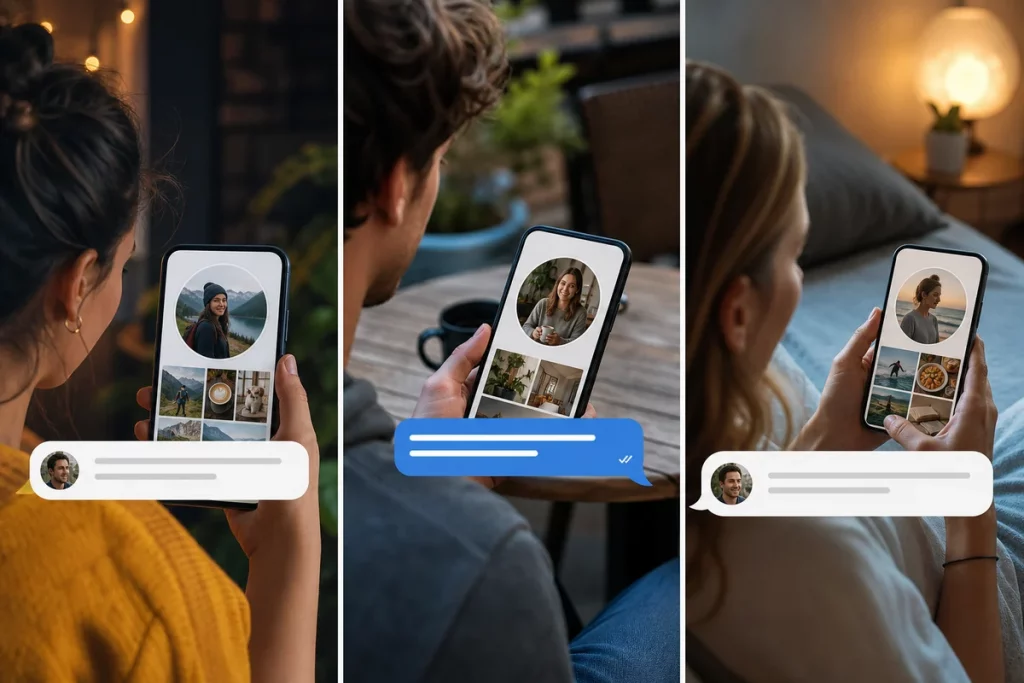
Tinder openers. Tinder’s photo-heavy, bio-optional format means many profiles provide limited text to reference. For these profiles, photo-based observations work best: “That photo at the farmers market — do you actually cook or is this an aspirational lifestyle shot? (Both answers are acceptable.)” For profiles WITH bios, reference the bio directly — it signals you’re the rare match who actually read it. The Tinder-specific opener guide provides 15+ additional templates calibrated for the platform’s specific dynamics.
Hinge openers. Hinge’s prompt-and-answer format provides built-in conversation starters — making it the easiest platform for crafting the best opener for online dating because the person has already told you WHAT they want to talk about through their prompt selections. Reference a specific prompt answer rather than just liking a photo: “Your answer about your most controversial opinion — I need the full defense. Convince me.” The Hinge guide covers the platform’s matching mechanics alongside opener strategy.
Bumble openers (for women). On Bumble, women send the first message — and the same principles apply: personalization, question-ending, brevity. “I noticed you’re a software engineer who also does woodworking — that’s a combination I have questions about. Which came first?” works better than “Hey! How’s your week going?” because specificity generates energy while generality generates silence. For men receiving the opener: respond substantively to whatever they reference and ask a follow-up question to maintain momentum.
For all platforms: The best opener for online dating is just the beginning — the real skill is transitioning from opener to conversation to date without losing momentum. A common pattern: great opener → engaging reply → 2-3 exchanges → conversation stalls because neither person suggests meeting. The transition from messaging to meeting should happen within 5-10 exchanges on most platforms — enough to establish mutual interest and basic compatibility, not so much that the conversation exhausts the topics that would have been more engaging in person. A direct but casual transition works best: “This conversation is too good for tiny text boxes — would you want to grab coffee this week?” Verify identity through GuyID’s free screening tools before the conversation moves from opener to planning a date. Share your Date Mode link through GuyID as the conversation progresses — because the best opener for online dating starts the connection, but verified trust through GuyID ensures the connection is worth building on. Use the reverse image search and red flags guide to evaluate matches alongside the conversation quality — because a great opener from a fake profile is still a fake profile, and the first date guide provides the safety framework for when the conversation successfully transitions to an in-person meeting.
How GuyID Helps
GuyID should appear when it is useful, not as a banner ad. A GuyID Trust Profile gives someone a portable way to share trust signals before a date, while identity verification and social vouching help turn vague profile claims into clearer next steps.
Useful next steps:
- Create a GuyID Trust Profile when you want a cleaner way to share verified trust signals.
- Use GuyID free tools and related guides when you need a checklist before meeting someone.
- Treat identity verification as confidence-building, not a guarantee.
- Use social vouching when you want context from people who already know the person.
- Sign up only when the extra trust layer helps the decision you are already trying to make.
Frequently Asked Questions
What is the best opener for online dating?
The best opener references something specific from their profile, includes an open-ended question they can respond to easily, and fits within 1-3 sentences. The profile reference demonstrates genuine interest, the question creates a response pathway, and the brevity signals confidence without pressure. Personalized messages consistently outperform clever generic lines because personalization communicates that you’re interested in THIS person specifically — not running a numbers game.
How long should a first message be on a dating app?
1-3 sentences is optimal. Messages under 3 sentences receive the highest response rates because they’re easy to read and respond to without feeling like a commitment. One sentence feels too minimal (unless it’s exceptionally personalized). Four or more sentences begins creating pressure that discourages casual reply. The goal: say enough to demonstrate personality and create a hook — then let the conversation develop naturally from there.
Why do my opening messages get ignored?
The most common reasons: your message is too generic (“hey,” “what’s up”), it doesn’t reference anything from their specific profile, it doesn’t include a question (making it hard to respond to). It’s too long (creating pressure), or it leads with physical compliments (signaling surface-only interest). Switch to the personalization + question framework: reference ONE specific thing from their profile and ask an open-ended question about it. This single change typically produces measurable improvement in response rates within the first week.
Should I use the same opener for everyone?
No — copy-paste openers perform significantly worse than personalized ones. However, you CAN use the same FRAMEWORK (e.g., “reference a specific prompt answer + ask a follow-up question”) while changing the CONTENT for each person. This approach provides structure without sacrificing personalization: the framework saves you from staring at a blank message box, while the personalized content demonstrates genuine interest in each specific match. The icebreaker guide provides additional frameworks for rapid personalization.