Reader Briefing
Reader Briefing
Start here if you need a practical read on how to report a romance scammer: complete step-by-step guide: who should use verification, what signals to check, and what to do before moving from online interest to an in-person plan.
Who this is for
- People meeting someone from a dating app or social platform.
- Anyone checking identity, profile consistency, and trust signals.
- People trying to avoid romance scams, fake profiles, or pressure tactics.
- Online daters improving conversations, profiles, or match screening.
You’ll learn
- How to evaluate identity signals without treating any single check as certainty.
- Which trust signals matter and how to weigh them together.
- How to spot inconsistencies, pressure, or behavior patterns that deserve caution.
- How to move from online conversation to a safer first meeting.
- Where GuyID tools fit into a quick pre-date screening workflow.
- When to slow down, ask for more context, or walk away.
Bottom line
Verification reduces uncertainty; it does not guarantee future behavior. Use a layered approach: confirm identity signals, compare profile consistency, ask for a short video call, keep early plans public, and slow down when someone pressures you to skip normal safety steps.
Key takeaways
- Identity verification improves confidence, not certainty.
- Patterns matter more than isolated incidents.
- Verify before meeting privately or sharing sensitive details.
- A short video call can reveal many inconsistencies.
- Pressure to skip reasonable safety steps is useful information.
Free Tools
Catfish Probability Detector
Check whether a dating profile has suspicious identity or photo signals.
Dating Bio Red Flag Detector
Review a bio for scam, pressure, or trust-warning language.
Dating Safety Checklist
Use free GuyID tools before moving from chat to a real date.
Next step
Create your GuyID trust profile
Share consent-based trust signals before a date without turning the conversation into an interrogation.
Knowing how to report a romance scammer across every channel — federal agencies, dating platforms, financial institutions, and local law enforcement — is the single most impactful action you can take for yourself and for the millions of other potential victims who will encounter the same scammer after you.
This guide provides the complete, step-by-step process for how to report a romance scammer to every relevant agency and platform. Each reporting channel serves a different purpose — from triggering financial recovery attempts to contributing data that powers federal investigations. Filing with all channels takes approximately 30-45 minutes total and dramatically increases the probability that the scammer’s operation faces consequences. We’ve organized every step by urgency so you know exactly what to do first.
NavigateTable of Contents40 sections
⚡ Key Takeaways
Report to multiple agencies — each serves a different purpose
The FBI investigates criminal networks, the FTC tracks national fraud data, dating platforms remove scammer profiles, and banks can attempt financial recovery. You need all four.
Time matters for financial recovery
Wire transfer recalls have the highest success rate within 24 hours. Credit card chargebacks must be filed within 60 days. Cryptocurrency exchange reports should be filed immediately. Knowing how to report a romance scammer quickly can mean the difference between losing money permanently and recovering it.
Your report helps catch networks, not just individuals
The FBI uses aggregated IC3 reports to identify scam network patterns, trace financial flows, and coordinate international law enforcement operations. Your single report contributes to investigations that shut down entire operations.
You should report even if you didn’t lose money
Attempted scam reports help platforms identify and remove fake profiles before they reach more vulnerable targets. Every report makes the ecosystem safer for everyone.
Your report changes that statistic and helps build the case for better platform safety.
Immediate Steps: What to Do in the First 24 Hours After Discovering a Romance Scam
Before diving into the detailed reporting process for how to report a romance scammer, take these time-sensitive actions immediately. The first 24 hours after discovery are the most critical window for financial recovery and evidence preservation.
Step 1: Stop All Communication (Immediately)
Block the scammer on every platform — the dating app, WhatsApp, Telegram, email, phone, and any social media. Do not send a final message explaining that you know they’re a scammer. Do not ask for your money back. Do not give them any opportunity to re-engage emotionally or attempt to convince you that the relationship was real. Every continued interaction gives them data they can use to manipulate you further.
Step 2: Document Everything (Within 1 Hour)
Before blocking or before the scammer can delete their profile, capture comprehensive evidence. This documentation is essential for every reporting channel you’ll use. Screenshot and save:
- All conversation history — every message, across every platform you communicated on. If you used WhatsApp, export the chat (Settings → Chats → Export Chat). If you communicated via text, screenshot every message.
- Their dating profile — all photos, bio text, age, location, and any other profile information. Screenshot the entire profile before it potentially gets deleted or you block them.
- Their contact information — phone numbers, email addresses, WhatsApp numbers, Telegram usernames, social media handles. Every identifier helps law enforcement track the operation.
- All financial transactions — bank statements showing wire transfers, gift card receipts (photos of the cards and the codes you sent), cryptocurrency transaction hashes and wallet addresses, payment app screenshots (Zelle, Venmo, CashApp). Include dates, amounts, and recipient information for every transaction.
- Any links or platforms they shared — URLs of investment platforms they recommended (critical for pig butchering scams), links to external websites, app download links, or any other digital content they directed you to.
Save all documentation in a dedicated folder on your computer and a cloud backup (Google Drive, iCloud, or Dropbox). Law enforcement requests may come weeks or months later, and having comprehensive, organized evidence dramatically increases the value of your report.
Step 3: Contact Your Financial Institution (Within 24 Hours)
If you sent money in any form, contact your bank, credit card company, or cryptocurrency exchange immediately. Financial recovery options have strict time windows:
| Payment Method | Who to Contact | Recovery Window | Recovery Likelihood |
|---|
| Payment apps (Zelle, Venmo, CashApp) | The app’s fraud department + your bank | Immediately | Very low — these are designed as instant, irreversible transfers |
⚠️
Critical: Do Not Pay “Recovery Fees”
After discovering a scam, victims are frequently contacted by companies or individuals claiming they can recover stolen funds — for an upfront fee. These are secondary scams specifically targeting romance scam victims. Legitimate law enforcement recovery does not require victims to pay fees. Legitimate financial institutions process recalls and chargebacks through their normal procedures. If anyone contacts you promising recovery in exchange for payment, it’s a scam targeting you a second time.
How to Report a Romance Scammer to the FBI (IC3)
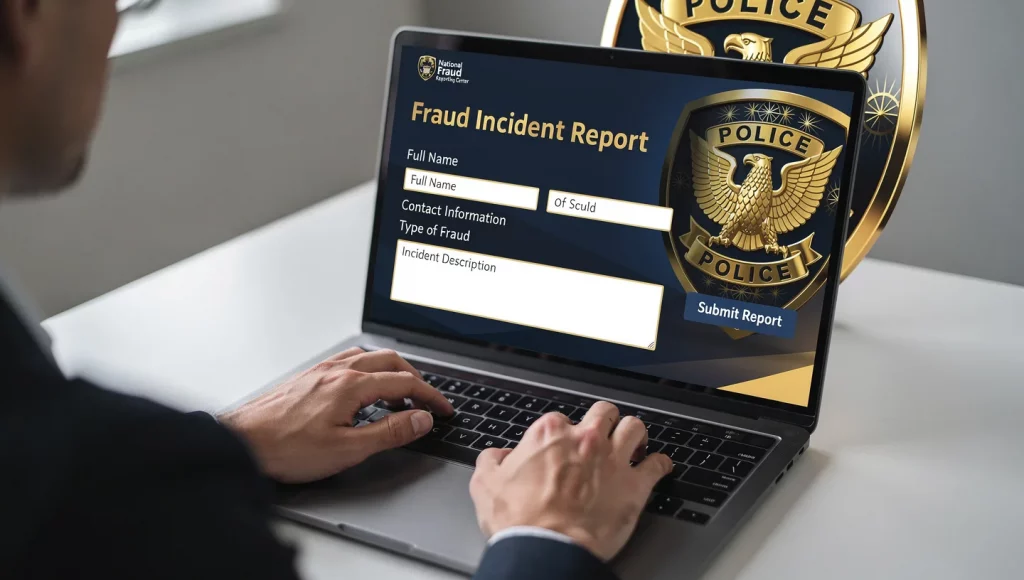
The FBI’s Internet Crime Complaint Center (IC3) is the most important single reporting channel when learning how to report a romance scammer. IC3 is the federal government’s central hub for internet crime — romance scams are their highest-volume complaint category. Your report goes directly into a database used to identify criminal networks, trace financial flows across borders, and coordinate international law enforcement operations.
How to File an IC3 Report
- Go to ic3.gov and click “File a Complaint.”
- Complete the victim information section with your real name, address, phone number, and email. This information is kept confidential and is necessary for investigators to contact you if your report contributes to an active case.
- Select the incident type. Choose “Romance Scam” or “Confidence/Romance Fraud” from the dropdown categories.
- Describe what happened in the narrative section. Include: how you were contacted (which dating app or platform), the scammer’s claimed identity (name, age, location, career), the timeline of the relationship, when and how money was requested, the total amount lost, and the payment methods used.
- Provide the scammer’s identifiers. Phone numbers, email addresses, social media usernames, dating app profile name, cryptocurrency wallet addresses, and bank account numbers they provided for wire transfers. Every identifier helps the FBI connect your case to other reports from the same scam network.
- Upload your documentation. Attach the screenshots you saved — conversation excerpts, profile photos, transaction records, and platform URLs. The more evidence you provide, the more actionable your report becomes.
- Save your IC3 complaint number. You’ll receive a confirmation with a complaint ID. Save this number — you may need it for insurance claims, tax deductions, or follow-up communications.
Understanding how to report a romance scammer to IC3 is critical because this is where pattern matching happens at scale. Your report about a scammer using a specific phone number may connect to 50 other reports using the same number, linking to a larger network that the FBI can then investigate as an organized criminal operation rather than individual incidents.
How to Report a Romance Scammer to the FTC
The Federal Trade Commission tracks fraud at the national level. FTC reports don’t trigger individual investigations the way IC3 reports might — instead, they feed into the Consumer Sentinel Network database, which hundreds of law enforcement agencies access to identify fraud trends, allocate resources, and prioritize investigations.
How to File an FTC Report
- Go to reportfraud.ftc.gov
- Answer the guided questions about what happened. The FTC’s form walks you through a structured interview rather than requiring a free-form narrative.
- Include financial loss amounts and payment methods. The FTC tracks loss amounts by scam type, payment method, and demographic — your data directly informs national fraud statistics and policy.
- Provide scammer information — any names, phone numbers, email addresses, or platform identifiers you have.
Filing with both IC3 and the FTC is important because they serve different purposes. IC3 feeds criminal investigations. The FTC feeds policy decisions, national statistics, and multi-agency coordination through the Consumer Sentinel Network. When you know how to report a romance scammer to both agencies, your single experience contributes to both criminal enforcement and systemic prevention.
How to Report a Romance Scammer to Your Dating Platform
Reporting to the dating platform where you encountered the scammer serves an immediate protective purpose: it triggers profile review and likely removal, preventing the scammer from targeting other users on that platform. Here’s how to report a romance scammer on each major platform.
Tinder
Open the conversation with the scammer (before blocking) → tap the flag icon or the three dots menu → select “Report” → choose “Scam or Spam” or “Feels like a scam” → add details. Alternatively, report via email at help@gotinder.com with screenshots and the scammer’s profile information.
Bumble
Open the conversation → tap the three dots (⋯) in the upper right → select “Report” → choose the appropriate reason (Scam, Fake Profile, etc.) → provide details. You can also report through the Bumble Help Center by selecting “Contact Us” from the app settings.
Hinge
Open the conversation → tap the three dots → select “Report [Name]” → choose “Scam or fraud” → describe what happened. Hinge’s moderation team reviews reports and cross-references them against other reports of the same profile.
Plenty of Fish (POF)
Navigate to the scammer’s profile → click “Report User” → select the reason → provide details.
Facebook Dating
Open the conversation → tap the three dots → “Report” → follow the guided prompts. For Facebook profiles used in conjunction with Facebook Dating scams, also report the Facebook profile itself (Profile → three dots → “Find Support or Report” → “Scams and fake profiles”).
💡
Pro Tip: Report Before Blocking
On most platforms, blocking a user removes your ability to access the conversation and report their profile. Report first, then block. Some platforms also allow you to report via email or support form after blocking, but it’s easier and more effective to report while you still have access to the conversation thread as evidence.
How to Report a Romance Scammer to Financial Institutions
If you lost money, knowing how to report a romance scammer to financial institutions is critical for potential recovery. Each financial channel has its own reporting process and recovery mechanism.
Banks (Wire Transfers)
Call your bank’s fraud department immediately — not the general customer service line. Ask specifically for the “wire recall” or “wire fraud” department. Provide the transaction date, amount, recipient account information, and explain that the transfer was the result of fraud. Wire recalls have the highest success rate when filed within 24 hours of the transfer. Your bank will contact the receiving bank to attempt to freeze and return the funds.
Credit Card Companies
Call the number on the back of your card and request a “fraud chargeback.” Provide transaction dates, amounts, and a brief explanation of the fraud. You have 60 days from the statement date to file, but filing sooner improves outcomes.
Cryptocurrency Exchanges
If you sent cryptocurrency, contact your exchange (Coinbase, Binance, Kraken, etc.) through their support portal and fraud reporting page. Provide the receiving wallet addresses, transaction hashes (TxIDs), dates, and amounts. While cryptocurrency recovery is extremely difficult, exchanges can flag and freeze accounts associated with the receiving wallets. This may not recover your funds but can prevent the scammer from easily cashing out — and the wallet data contributes to blockchain analysis used in law enforcement investigations.
Gift Card Issuers
Contact the gift card company directly. For Apple gift cards: reportascam.apple.com or 800-275-2273. For Google Play: support.google.com/googleplay. For Amazon: contact customer service and report the card numbers as used in fraud. Recovery is extremely rare for gift cards, but reporting helps issuers identify and potentially block scam-associated redemption accounts.
Payment Apps
For Zelle: report through your bank (Zelle operates through bank partnerships). For Venmo: open the transaction → “Get Help” → report as scam. For CashApp: tap the transaction → “Need Help?” → “Dispute Transaction.” These apps process transfers instantly and irreversibly, making recovery very difficult — but reporting helps the platforms build fraud detection models.
How to Report a Romance Scammer on Social Media Platforms
If the scammer contacted you through social media or moved communication to social platforms, reporting their profiles on those platforms is an important step in knowing how to report a romance scammer comprehensively.
Open the chat → tap the contact name at the top → scroll down → “Report Contact.” WhatsApp reviews the most recent messages in the chat for policy violations. You can also email WhatsApp support at support@whatsapp.com with screenshots and the scammer’s phone number.
Go to the scammer’s profile → tap the three dots (⋯) → “Report” → “It’s a scam” → follow the prompts. If they contacted you via DMs, you can also report specific messages by long-pressing the message → “Report.”
Go to the scammer’s profile → click “More” → “Report/Block” → select “Scam or fraud.” LinkedIn-originated pig butchering scams are growing rapidly, so LinkedIn’s trust and safety team actively investigates romance-fraud reports.
Telegram
Open the chat → tap the username at the top → “Report” → select “Scam.” You can also report through Telegram’s in-app support bot @NoToScam.
Additional Reporting Channels for Romance Scammer Reports
Beyond the primary channels, these additional reporting options strengthen your case and contribute to broader anti-fraud efforts. A comprehensive understanding of how to report a romance scammer includes knowing all available channels.
Local Police
File a report at your local police station or via their online reporting portal. While local police typically don’t investigate international romance scams, the official police report creates documentation that may be needed for insurance claims, tax deductions on fraud losses, credit bureau disputes, and civil legal proceedings. Request a copy of the police report number for your records.
State Attorney General
Most state Attorneys General have a consumer protection or fraud reporting division. File through your state AG’s website (search “[your state] attorney general consumer complaint”). State AG offices track fraud trends within their jurisdictions and sometimes pursue state-level legal actions against scam operations with domestic connections.
Better Business Bureau (BBB)
If the scammer directed you to a specific company, investment platform, or service, file a BBB complaint. The BBB Scam Tracker (bbb.org/scamtracker) also accepts reports about scam patterns — your report becomes publicly searchable and warns other potential victims.
AARP Fraud Helpline
Call 877-908-3360 for free, confidential support. The AARP Fraud Helpline doesn’t just provide emotional support — trained volunteers help you navigate the reporting process, identify additional reporting channels specific to your situation, and connect you with recovery resources. This is especially valuable for victims who feel overwhelmed by the multi-channel reporting process described in this guide on how to report a romance scammer.
What Happens After You Report a Romance Scammer
Understanding what happens after you file reports is important for managing expectations. Knowing how to report a romance scammer is the action step; knowing what follows helps you maintain patience and perspective during what is often a long process.
FBI/IC3 Response
IC3 reviews every complaint and routes it to the appropriate law enforcement agency. You will receive a confirmation email with your complaint number, but you likely will not receive individual follow-up unless your case is directly relevant to an active investigation. This doesn’t mean your report was ignored — it means your data has been entered into the system where it’s matched against other complaints to identify patterns. Many major romance scam network takedowns have resulted from aggregated IC3 complaints that, individually, seemed minor but collectively revealed a massive operation.
FTC Response
The FTC does not resolve individual complaints. Your report enters the Consumer Sentinel Network, accessible to hundreds of law enforcement agencies. You’ll receive confirmation but no individual investigation updates. Your data directly contributes to the annual fraud statistics that inform federal policy, funding, and enforcement priorities.
Dating Platform Response
Most dating platforms review reports within 24-72 hours. The scammer’s profile will typically be removed if the report includes evidence of scam activity. You may receive a notification that “action was taken” but platforms rarely share specific outcomes. Some platforms use reported profiles to train AI detection models, meaning your report contributes to improved automatic scam detection for all users.
Financial Institution Response
Wire recall attempts typically resolve within 5-15 business days (successful or unsuccessful). Credit card chargebacks take 30-90 days to process. Cryptocurrency exchange responses vary — some provide updates within days, others take weeks. Be persistent with follow-up calls if you don’t hear back within the expected timeframe.
Why Reporting Matters Even If You Didn’t Lose Money
An essential part of understanding how to report a romance scammer is recognizing that reporting matters even if the scam attempt was unsuccessful — even if you caught the scam before sending any money. Here’s why:
- The scammer is targeting others right now. The person who tried to scam you is simultaneously running the same operation against multiple other targets. Your report to the dating platform triggers profile removal, potentially saving someone more vulnerable from losing thousands of dollars.
- Your report establishes a pattern. Law enforcement builds cases through aggregated reports. Your “no money lost” report about a scammer using a specific phone number or profile photo set may be the missing link that connects to dozens of reports where money was lost — enabling investigation of the entire network.
- Attempted fraud is still a crime. You don’t need to have lost money for a crime to have occurred. Attempting to defraud someone is illegal, and your report documents that criminal activity.
- Reporting improves platform safety. Dating platforms use reports to train fraud detection algorithms, identify new scam patterns, and prioritize safety improvements. More reports = better detection = fewer successful scams for everyone.
Every person who reports — especially when they didn’t lose money — helps establish that reporting is a normal, responsible action, not an admission of failure.
Use GuyID’s free safety tools to verify matches before the scam progresses — reverse image search, catfish probability detector, and dating bio red flag detector. Catching scammers early and reporting them is more effective than catching them after financial damage has occurred. Review our detailed guide on how to spot a romance scammer to strengthen your detection skills.
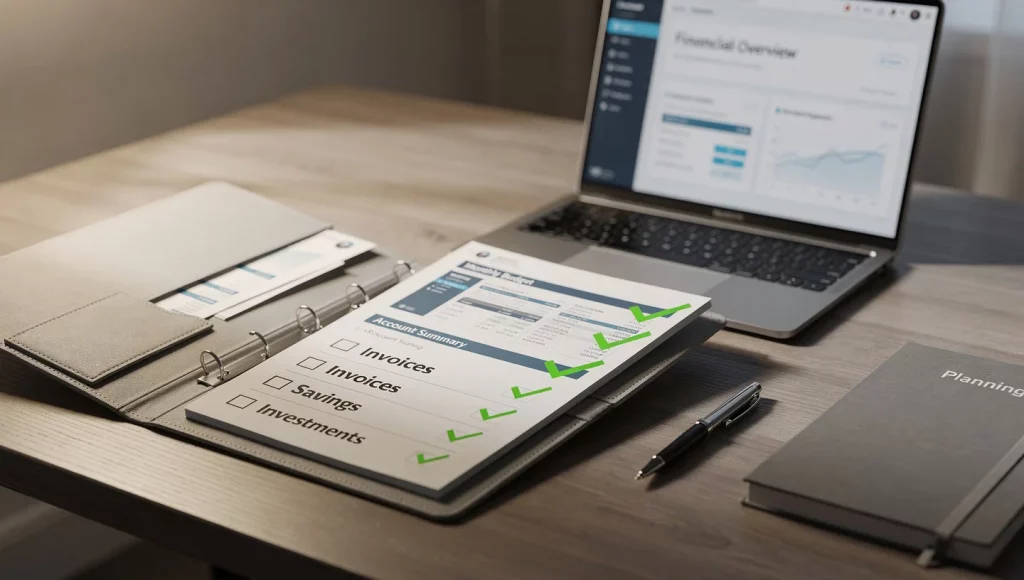
Summary: Complete Romance Scammer Reporting Checklist
Knowing how to report a romance scammer comprehensively means filing across multiple channels, each serving a different purpose. Here is the complete checklist organized by priority. Completing all steps takes approximately 30-45 minutes and maximizes both your recovery chances and the impact on the criminal operation.
🔴 URGENT — First 24 Hours
☐ Stop all communication and block the scammer everywhere
☐ Screenshot and document all evidence (conversations, photos, transactions)
☐ Contact your bank for wire recall (if wire transfer sent)
☐ Contact credit card company for chargeback (if credit card used)
☐ Contact crypto exchange with receiving wallet addresses (if crypto sent)
☐ Contact gift card issuer (if gift cards sent)
🟡 IMPORTANT — First 48 Hours
☐ File FBI IC3 report at ic3.gov
☐ File FTC report at reportfraud.ftc.gov
☐ Report to the dating platform (report before blocking if possible)
☐ Report to social media platforms where they contacted you (WhatsApp, Instagram, etc.)
🟢 RECOMMENDED — First Week
☐ File a local police report (for documentation purposes)
☐ Report to your state Attorney General’s consumer protection division
☐ File a BBB Scam Tracker report (if they directed you to a specific platform/company)
☐ Call the AARP Fraud Helpline (877-908-3360) for free support and guidance
☐ Save all report confirmation numbers in your evidence folder
Every step in this how to report a romance scammer checklist contributes to a different outcome — financial recovery, criminal investigation, profile removal, or improved platform safety. Completing all steps transforms your individual experience from an isolated incident into a data point that powers the systems designed to catch and stop scam operations.
For men who want to make dating safer proactively — and signal that they’re part of the solution — GuyID offers government ID verification combined with social vouching. Sharing a verified Date Mode link proves you’re a real, verified person — the opposite of the scammers described in this guide. Women check trust profiles for free.
Don’t Just Report — Prevent the Next Scam
GuyID helps you verify the identity and trustworthiness of people you meet online before the scam ever starts. 60+ free safety tools, government ID verification, and a portable trust score. Women check for free.
Try Free Safety Tools
Learn About GuyID
Frequently Asked Questions
Where do I report a romance scammer?
Will the FBI investigate my individual romance scam report?
Should I report a romance scam if I didn’t lose money?
How do I report a romance scammer on WhatsApp?
Is it worth reporting if the scammer is in another country?
How do I protect myself from being scammed again?
How long does the reporting process take?
Related Reading
Evidence note
The FTC reported 64,003 romance-scam reports in 2023, with $1.14 billion in reported losses and a $2,000 median reported loss (Federal Trade Commission, 2024).